Personalized chart
Enter age and weight to see your dog's unique trajectory.
How big will my Rhodesian Ridgeback get? Predict adult weight and track your puppy's development.
We picked these products to help you take better care of your dog day to day—from sleep to safer walks, easier feeding, and a sensible setup at home. Each slot is narrowed to highly rated picks that match your dog’s size and stage.
Roomy crates
Comfy beds
Walk-ready harnesses
Slow feeders
Ridgeback puppies are hound independence with athlete muscle. Your estimate sits next to heat smarts, recall realism, and training that respects their self possession.
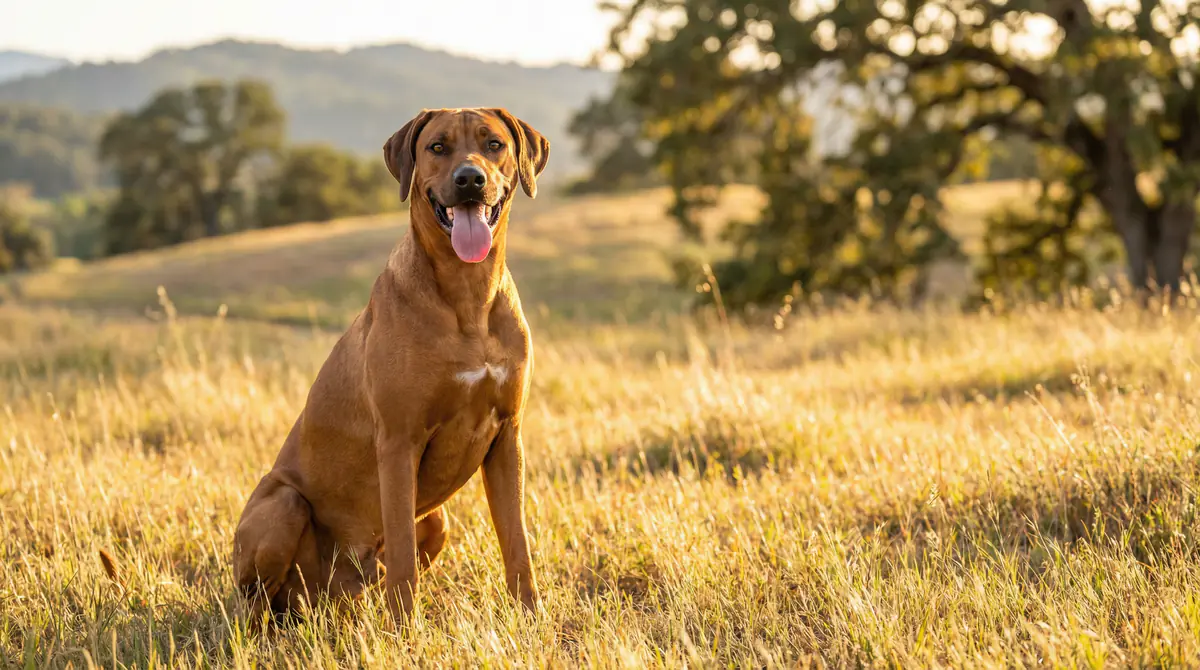
Lean and athletic is typical; vet interprets chart vs ribs.
Weekly gains vary; trend matters.
Weight climbs if sighthound exercise drops but food stays high.
Limping after zoomies: vet.
Heat still limits safe exercise.
Prey drive toward cats/small animals may be lifelong management.
Puppyhood is not one stage. It is a stack of different problems and wins. Use this like a timeline, not a rigid rulebook.
Routine, potty, handling.
Leash and recall foundations.
Brain and body.
Athlete polish.
We picked these products to help you take better care of your dog day to day—from sleep to safer walks, easier feeding, and a sensible setup at home. Each slot is narrowed to highly rated picks that match your dog’s size and stage.
Feeding, exercise, training, home setup, and prevention. Each block is written for people who just checked their puppy's weight curve.
Growth diet per vet.
Measured meals.
Slow transitions.
Walks plus free play safe areas.
End before overtired.
Heat planning.
Fair recall expectations.
Reward what you want; hounds rehearse what works.
Socialization gentle distances.
Secure fence; some climb.
Trash secure.
Vaccines and parasites per vet.
Breeder topics discussion.
Dental tolerance.
If you are unsure, call your veterinarian, especially with puppies. This list is not complete and does not cover every situation. It is a general reminder of signs many clinics want to hear about.
General educational information only. It is not medical advice and does not replace an exam or treatment plan from a licensed veterinarian. Estimates and tips cannot diagnose illness or emergencies; contact your vet with any health concerns.
Affectionate, dignified, and even-tempered
Hound
Large
10-12 years
18 months
70-85 lbs
25-27" tall
70-85 lbs
24-26" tall
Ridgebacks were developed in southern Africa from frontier dogs that could hunt, guard farms, and endure heat. The namesake ridge of forward growing hair became breed hallmark.
They were mythologized as lion dogs; modern dogs are companions and versatile athletes.
History explains courage, prey interest, and heat tolerance relative to coated breeds. It also explains why off leash trust takes work.
The calculator uses your puppy's current age and weight to estimate adult size. Because puppies grow fastest early on and then slow down as they mature, the estimate adjusts for the stage of growth your Rhodesian Ridgeback is in.
Rhodesian Ridgebacks are usually close to full size by around 18 months. As your puppy gets older and more of its growth is already complete, the estimate usually becomes more reliable.
Most adult Rhodesian Ridgebacks fall within a typical weight range of 70-85 lbs. You can use the calculator for younger puppies, but estimates are usually more accurate after about 12 weeks.
Straight answers on size, growth, feeding, and how to use this calculator alongside your veterinarian.
Adult Ridgebacks are large hounds—often quoted around 70–85 lb, with males frequently taller than females (your breed profile lists roughly 25–27" males and 24–26" females). Lean and athletic is typical—compare food, ribs, and energy to the trend line before you assume a light number means “too thin.”
Many are largely there by roughly 12–18 months, but filling out and maturity can continue. Weekly gains vary—trust month-long trends. If exercise drops but food stays high, weight can climb; hounds do not forgive “eyeball” portions.
Many individuals have strong prey interest and independent hound habits—fair recall expectations and a long line usually come before off-leash dreams, especially near roads or wildlife. Train what you want consistently; Ridgebacks rehearse what works for them. ID and secure fencing matter—some are wanderers.
Walks, sniffing, and free play in safe areas beat skipping exercise entirely. Heat still limits safe outings even though they tolerate warmth better than heavy-coated breeds. Stop if limping after zoomies; measure meals and budget treats.
Hounds are opportunists—measured meals and a treat budget beat “eyeballing” once growth slows. Split food into predictable meals if your pup acts starving all afternoon. After long hot walks, water and shade first, then dinner, keeps appetite signals easier to read than feeding in the car on the way home.
Share PetCareCalc with other pet parents or save the link to come back later.
Also try: Dog age calculator (dog years and human years) · Dog breed quiz
Add our free embeddable calculator to your site.
Still scrolling?
Five quick taps, an instant match, and a shareable link for the group chat. Free, no signup.
StartPredicting the growth of your Rhodesian Ridgeback