Personalized chart
Enter age and weight to see your dog's unique trajectory.
How big will my Boxer get? Predict adult weight and track your puppy's development.
We picked these products to help you take better care of your dog day to day—from sleep to safer walks, easier feeding, and a sensible setup at home. Each slot is narrowed to highly rated picks that match your dog’s size and stage.
Roomy crates
Comfy beds
Walk-ready harnesses
Slow feeders
Boxer puppies are clown strength: big feelings, big play, and a face shape that needs heat and airway awareness. Your chart is most useful next to condition, joint care, and consistent training.
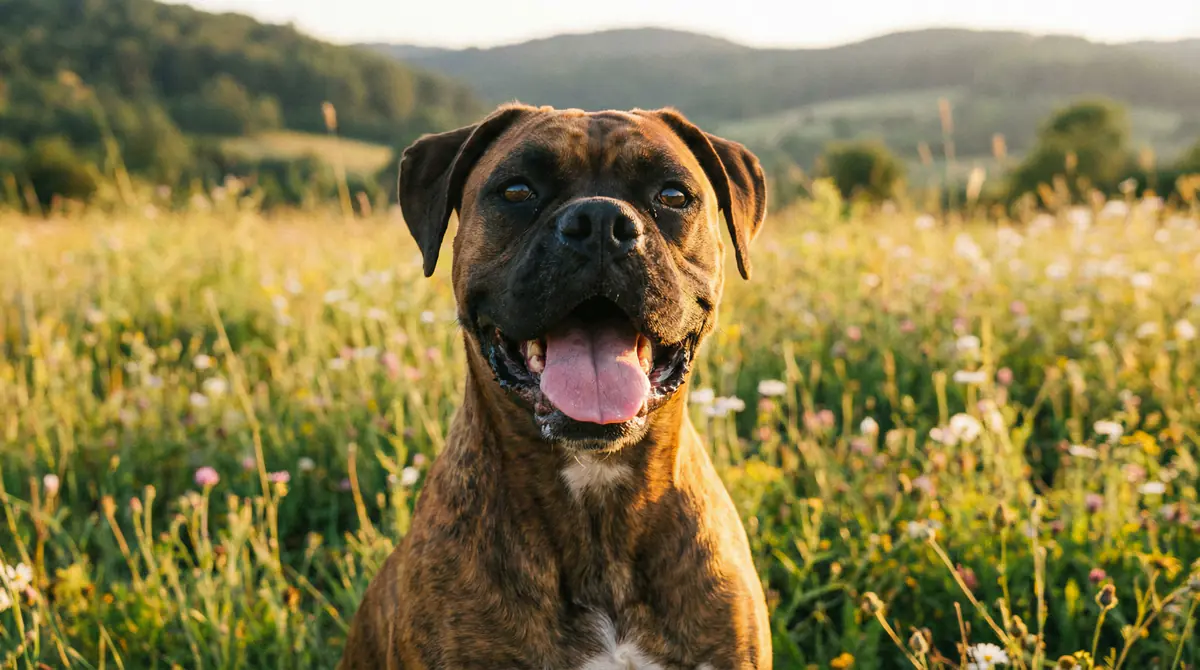
Boxers often shoot up, then fill out; a gangly teen phase can look light on paper while still healthy.
Weight can climb fast after growth slows if meals and treats stay “puppy generous.”
If ribs vanish but the scale looks fine, trust body condition and your vet’s hands.
Deep chested dogs deserve bloat awareness conversations with your vet as habits form.
Brachycephalic traits vary; noisy breathing deserves a baseline so you notice worse days.
Limping after zoomies is not “just a strain” until your vet agrees.
Puppyhood is not one stage. It is a stack of different problems and wins. Use this like a timeline, not a rigid rulebook.
Routine, sleep, potty, and calm introductions.
Impulse control before adolescence.
Energy plus rules.
Strength and manners mature together.
We picked these products to help you take better care of your dog day to day—from sleep to safer walks, easier feeding, and a sensible setup at home. Each slot is narrowed to highly rated picks that match your dog’s size and stage.
Feeding, exercise, training, home setup, and prevention. Each block is written for people who just checked their puppy's weight curve.
Measured meals; your vet picks puppy versus adult timing and calorie targets.
Split feedings can reduce gulping; discuss bloat prevention habits with your vet.
Rich human food is a common pancreatitis trigger in dogs; keep table scraps minimal.
Play hard, then actually rest; brachy pups need recovery time.
Multiple shorter sessions often beat one broiling midday hike.
Swimming can be great when safe and vet approved.
Reward what you want; laughter should not replace criteria.
Socialization includes sounds, surfaces, and novelty at easy distances.
Harsh corrections often backfire; clarity and consistency win.
Cool rest spots in summer; airflow matters indoors too.
Kids need rules: no wrestling that amps biting.
Vaccines, parasite control, and dental planning per your vet.
Discuss heart and cancer awareness in the breed at appropriate wellness visits; your vet personalizes what to watch for.
Weight checks every visit; lean is kind to joints.
If you are unsure, call your veterinarian, especially with puppies. This list is not complete and does not cover every situation. It is a general reminder of signs many clinics want to hear about.
General educational information only. It is not medical advice and does not replace an exam or treatment plan from a licensed veterinarian. Estimates and tips cannot diagnose illness or emergencies; contact your vet with any health concerns.
Fun-loving, bright, and active
Working
Large
10-12 years
18 months
50-80 lbs
23-25" tall
50-80 lbs
21.5-23.5" tall
Boxers descend from German bullenbeisser types used on estates for hunting large game and later as butcher’s helpers and guardians. Early twentieth century breeders in Munich standardized the modern Boxer: square, short muzzled, and people oriented.
The breed served as messenger and military dog in wartime, then transitioned into one of the world’s favorite family guardians thanks to humor, loyalty, and trainability.
Today’s Boxer is primarily companion and sport dog. Their history as working guardians explains protectiveness and exuberance; their short face explains exercise limits in heat.
The calculator uses your puppy's current age and weight to estimate adult size. Because puppies grow fastest early on and then slow down as they mature, the estimate adjusts for the stage of growth your Boxer is in.
Boxers are usually close to full size by around 18 months. As your puppy gets older and more of its growth is already complete, the estimate usually becomes more reliable.
Most adult Boxers fall within a typical weight range of 50-80 lbs. You can use the calculator for younger puppies, but estimates are usually more accurate after about 12 weeks.
Straight answers on size, growth, feeding, and how to use this calculator alongside your veterinarian.
Adult Boxers are commonly quoted around 50–80 lb, with individuals varying by sex, genetics, and build. They often shoot up in height first, then fill out—so a gangly teenager can look light on paper while still healthy. Trust trends, rib feel, and standing photos alongside any calculator output.
Many Boxers are approaching a lot of their frame by about 12–18 months, but muscle and “finish” can take longer. Weight can climb quickly after growth slows if portions and treats stay “puppy generous.” Monthly standing photos from above help you catch a fading waist before the scale jumps.
They are active dogs with a short muzzle, so they often hit their happy exercise limit sooner on hot days. Walk at cooler times in summer, use a well-fitted harness to reduce throat pressure, and keep water breaks generous. End outdoor play while your pup still has bounce—indoor training games finish the job without a heat slog.
Bouncy dogs with a deep ribcage often do well on measured food split into a few meals instead of one giant bowl. Many households keep the first few minutes after dinner calmer than backyard wrestling—think sniff games or a chew toy rather than instant sprint sessions. Log meal times next to your weights so you can see whether late-night snacks are skewing the curve.
Same scale, same time of day, and log every few weeks—Boxers are masters of the hopeful face at treat time, so honesty about training snacks matters. Pair numbers with condition; if ribs disappear but the estimate looks fine, trust your photos and palpation over the midpoint. Ramp running mileage gradually as your dog’s stride looks collected rather than gangly.
Share PetCareCalc with other pet parents or save the link to come back later.
Also try: Dog age calculator (dog years and human years) · Dog breed quiz
Add our free embeddable calculator to your site.
Still scrolling?
Five quick taps, an instant match, and a shareable link for the group chat. Free, no signup.
StartPredicting the growth of your Boxer