Personalized chart
Enter age and weight to see your dog's unique trajectory.
How big will my Bloodhound get? Predict adult weight and track your puppy's development.
We picked these products to help you take better care of your dog day to day—from sleep to safer walks, easier feeding, and a sensible setup at home. Each slot is narrowed to highly rated picks that match your dog’s size and stage.
Roomy crates
Comfy beds
Walk-ready harnesses
Slow feeders
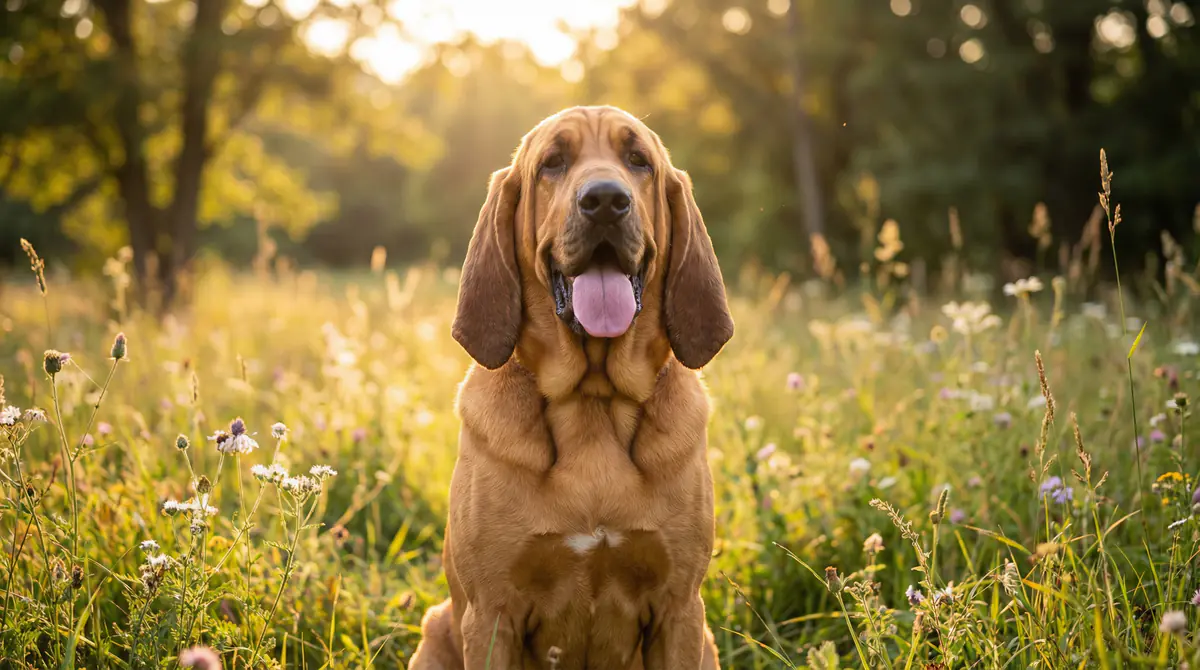
Bloodhound puppies are ears with a nose attached. Your chart pairs with skin fold care, weight control on joints, and recall realism on a long line.
Weight loads heavy joints; lean is kind.
Growth can look awkward; pain looks different.
Weekly weigh noise; monthly trend.
Folds need vet guided cleaning; infection smells.
Ear infections common; learn baseline.
Heat: big dark dogs suffer.
Puppyhood is not one stage. It is a stack of different problems and wins. Use this like a timeline, not a rigid rulebook.
Routine, potty, handling.
Leash under distraction.
Recall and weight.
Fit contained kind.
We picked these products to help you take better care of your dog day to day—from sleep to safer walks, easier feeding, and a sensible setup at home. Each slot is narrowed to highly rated picks that match your dog’s size and stage.
Feeding, exercise, training, home setup, and prevention. Each block is written for people who just checked their puppy's weight curve.
Measured meals only.
Portioned training treats.
Slow transitions.
Sniff walks are work.
Secure yard beats road recall.
Heat limits.
Work with nose; legal sniff jobs.
Recall may never be 100% off leash open areas.
Fair expectations.
Towels for drool and wet.
Trash locked.
Vaccines parasites per vet.
Ear and skin partnership.
Weight counseling.
If you are unsure, call your veterinarian, especially with puppies. This list is not complete and does not cover every situation. It is a general reminder of signs many clinics want to hear about.
General educational information only. It is not medical advice and does not replace an exam or treatment plan from a licensed veterinarian. Estimates and tips cannot diagnose illness or emergencies; contact your vet with any health concerns.
Friendly, independent, and inquisitive
Hound
Large
7-10 years
18 months
80-110 lbs
25-27" tall
80-110 lbs
23-25" tall
Bloodhounds were refined in medieval Europe for trailing human scent over great distances, becoming legendary in law enforcement and search work.
Their loose skin, long ears, and solemn face are functional as well as iconic.
Pet Bloodhounds still need skin care and containment. History explains the nose; fences explain the neighborhood relations.
The calculator uses your puppy's current age and weight to estimate adult size. Because puppies grow fastest early on and then slow down as they mature, the estimate adjusts for the stage of growth your Bloodhound is in.
Bloodhounds are usually close to full size by around 18 months. As your puppy gets older and more of its growth is already complete, the estimate usually becomes more reliable.
Most adult Bloodhounds fall within a typical weight range of 80-110 lbs. You can use the calculator for younger puppies, but estimates are usually more accurate after about 12 weeks.
Share PetCareCalc with other pet parents or save the link to come back later.
Also try: Dog age calculator (dog years and human years) · Dog breed quiz
Add our free embeddable calculator to your site.
Still scrolling?
Five quick taps, an instant match, and a shareable link for the group chat. Free, no signup.
StartPredicting the growth of your Bloodhound