Personalized chart
Enter age and weight to see your dog's unique trajectory.
How big will my Golden Retriever get? Predict adult weight and track your puppy's development.
We picked these products to help you take better care of your dog day to day—from sleep to safer walks, easier feeding, and a sensible setup at home. Each slot is narrowed to highly rated picks that match your dog’s size and stage.
Roomy crates
Comfy beds
Walk-ready harnesses
Slow feeders
Goldens melt hearts fast, this guide connects your growth chart to body condition, alone time skills, and the retrieving instincts that need healthy outlets.
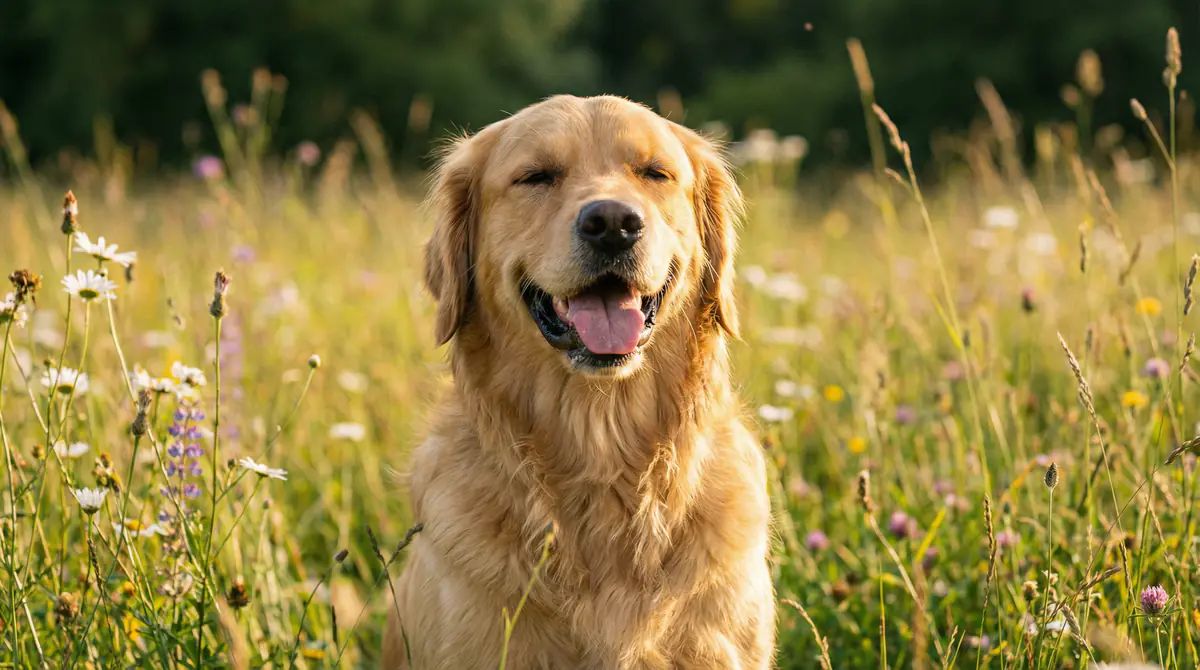
English type Goldens can run stockier; field bred lines often look leaner at the same age. Your calculator output should be read alongside build, not instead of it.
If you are staring at “14 weeks, 10 lb” wondering if it is right: for many large breeds, weekly gains can look uneven, look at 3 to 4 week direction, not one day.
Goldens are prone to carrying extra weight “nicely.” That makes the scale AND waist photos important.
Many people use waist and tuck as informal checks at home. If you are unsure whether your pup is over or under ideal condition, ask your veterinarian.
Coat fluff hides fat, hands on rib checks monthly.
Limping after play or reluctance to climb stairs young should be evaluated, do not “walk it off.”
Puppyhood is not one stage. It is a stack of different problems and wins. Use this like a timeline, not a rigid rulebook.
Gentleness, routine, and early confidence.
Skills + manners before adolescence.
Channel energy; protect joints.
Conditioning and lifelong habits.
We picked these products to help you take better care of your dog day to day—from sleep to safer walks, easier feeding, and a sensible setup at home. Each slot is narrowed to highly rated picks that match your dog’s size and stage.
Feeding, exercise, training, home setup, and prevention. Each block is written for people who just checked their puppy's weight curve.
Structured meals help you know appetite changes quickly.
Use a kitchen scale for kibble when possible.
If using toppers, account for them in daily calories.
Off leash romps in safe areas beat leash yanking “exhaustion.”
Swimming can be joint friendly and joyful.
End sessions before your pup becomes a shark.
Harsh corrections often backfire; clarity and consistency win.
Teach calm as a skill, not just commands.
Retrieve instincts need rules so stealing and guarding do not start.
Rotate rest and activity; overtired Goldens get mouthy.
Management prevents rehearsal, gates, crates, leashes.
Parasites, vaccines, and dental baseline per your vet.
Heart health conversations may be relevant depending on lines, ask your breeder and vet.
Keep a weight notebook or phone note with dates.
If you are unsure, call your veterinarian, especially with puppies. This list is not complete and does not cover every situation. It is a general reminder of signs many clinics want to hear about.
General educational information only. It is not medical advice and does not replace an exam or treatment plan from a licensed veterinarian. Estimates and tips cannot diagnose illness or emergencies; contact your vet with any health concerns.
Friendly, intelligent, and devoted
Sporting
Large
10-12 years
17 months
Goldens love food. Monitoring their 'waistline' is just as important as the scale to prevent joint strain.
Golden
65-75 lbs
23-24" tall
55-65 lbs
21.5-22.5" tall
English Cream varieties are often slightly stockier, while field-bred Goldens may be leaner and more athletic.
The Golden was developed in Scotland in the late 1800s by Dudley Marjoribanks, later Lord Tweedmouth, on his Guisachan estate. He wanted a retriever suited to Scottish weather and terrain: a dog that could work wet ground, handle cold water, and deliver game gently to hand.
His breeding records show careful crosses of existing retrievers and other sporting breeds to lock in coat, temperament, and working style. The goal was a capable gundog first; the glamorous coat color was a side effect that later stole the spotlight.
Goldens spread from British shooting culture to American fields and living rooms. “English cream” versus American style debates are mostly about different breeding emphases and silhouettes, not different origins, which is worth remembering when someone insists only one look is “correct.”
The calculator uses your puppy's current age and weight to estimate adult size. Because puppies grow fastest early on and then slow down as they mature, the estimate adjusts for the stage of growth your Golden Retriever is in.
Golden Retrievers are usually close to full size by around 17 months. As your puppy gets older and more of its growth is already complete, the estimate usually becomes more reliable.
Most adult Golden Retrievers fall within a typical weight range of 55-75 lbs. You can use the calculator for younger puppies, but estimates are usually more accurate after about 12 weeks.
Straight answers on size, growth, feeding, and how to use this calculator alongside your veterinarian.
Many adult Goldens land near a 55–75 lb band, with males often toward roughly 65–75 lb and females toward roughly 55–65 lb. “English cream” types can run stockier; field-bred lines are often leaner at the same age. The calculator reflects breed-norm growth; your puppy’s parents and littermates still add useful context when you have them.
Coat can hide extra pounds, so combine the scale with hands-on rib checks and standing photos from above to watch waist and tuck. Goldens are prone to carrying weight “nicely,” which makes extra padding easy to miss. When in doubt, trust several weeks of trend and photos more than a single weigh-in.
A lot of height and frame is in place by roughly 12–18 months for many dogs, but conditioning and muscle can keep evolving after that. Uneven weekly gains are common in large puppies; look at direction over several weeks. If appetite or energy shifts for many days in a row, log it next to your weights so you can see whether food or activity changed first.
Enthusiasm for food is a breed hallmark and not proof they need more. Measured meals, accounting for training treats and toppers, and small slow adjustments beat feeding to silence begging. Keeping a visible waist through growth usually lines up better with an easy-moving adult than letting the scale creep up “because they asked.”
Think age-appropriate play: sniffing, free romps in safe spaces, and calm water introduction when your pup is confident often beat long repetitive jogging on hard surfaces while they are young. Heat and humidity matter—shift walks to cooler times, offer water, and end sessions before your pup is overtired. If they look sore after a big day, give an easy day and lighter play before ramping back up.
Share PetCareCalc with other pet parents or save the link to come back later.
Also try: Dog age calculator (dog years and human years) · Dog breed quiz
Add our free embeddable calculator to your site.
Still scrolling?
Five quick taps, an instant match, and a shareable link for the group chat. Free, no signup.
StartPredicting the growth of your Golden Retriever