Personalized chart
Enter age and weight to see your dog's unique trajectory.
How big will my German Shorthaired Pointer get? Predict adult weight and track your puppy's development.
We picked these products to help you take better care of your dog day to day—from sleep to safer walks, easier feeding, and a sensible setup at home. Each slot is narrowed to highly rated picks that match your dog’s size and stage.
Roomy crates
Comfy beds
Walk-ready harnesses
Slow feeders
Your GSP puppy is a hunting dog in a housepet body until you channel drive, nose, and stamina. This ties your growth chart to joints, ears, and the off switch every versatile sporting dog needs.
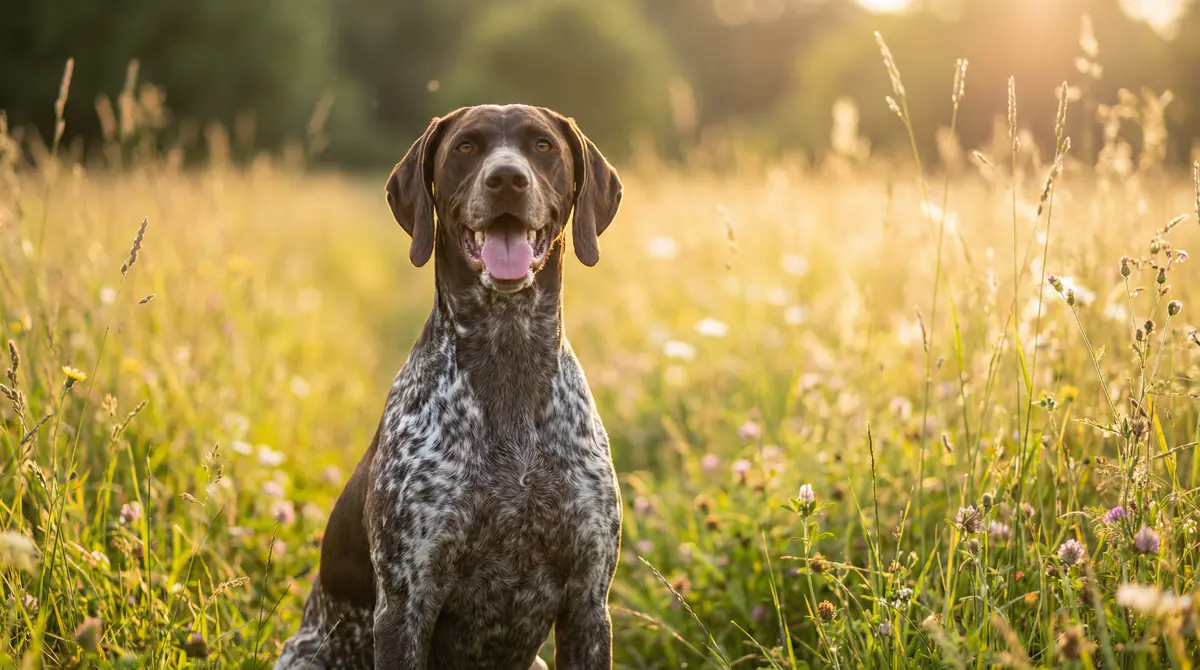
GSPs often look leggy and “too thin” during growth while they are actually fine; compare ribs, muscle, and your vet’s exam to the number alone.
Sex and breeding emphasis shift adult weight; two pups at the same week can diverge without either being wrong.
Rapid weight gain with loss of waist usually means food drift or treats, not a better hunter.
Athletic dogs should feel fit; extra pounds load growing elbows and shoulders during the first year.
Ear infections love moisture; swimming and baths mean you should learn what “normal ear” looks and smells like.
Sudden drop in stamina or appetite with weight change deserves a vet visit, not only “teens being weird.”
Puppyhood is not one stage. It is a stack of different problems and wins. Use this like a timeline, not a rigid rulebook.
Sleep, potty, gentle exposure, and legal outlets for mouth and nose.
Leash skills before pulls become default.
Channel stamina without pounding joints.
Build endurance gradually with your vet’s input.
We picked these products to help you take better care of your dog day to day—from sleep to safer walks, easier feeding, and a sensible setup at home. Each slot is narrowed to highly rated picks that match your dog’s size and stage.
Feeding, exercise, training, home setup, and prevention. Each block is written for people who just checked their puppy's weight curve.
Choose a growth appropriate diet with your vet; sporting puppies need quality protein without calorie chaos.
Split meals; measured portions beat eyeball scoops when drive makes them act starving.
Training treats are part of the daily budget, not a free side dish.
Free play, swimming, and varied terrain beat leash dragging for mileage.
End sessions before your pup is glassy eyed; overtired sporting pups get mouthy.
Heat matters; short coated does not mean heat proof.
Teach calm as a skill: mat, crate chill, and quiet praise.
Socialization is novelty plus positive association, not flooding.
If arousal spikes at birds or squirrels, increase distance and reward disengagement.
Rotate toys and chews; bored pointers rearrange shoes.
Management beats nagging: gates and crates when you cannot supervise.
Parasites, vaccines, and microchip per your vet’s regional plan.
Ear routine matters for a dog that loves water.
Discuss hip and elbow awareness with your vet if your line shares health info.
If you are unsure, call your veterinarian, especially with puppies. This list is not complete and does not cover every situation. It is a general reminder of signs many clinics want to hear about.
General educational information only. It is not medical advice and does not replace an exam or treatment plan from a licensed veterinarian. Estimates and tips cannot diagnose illness or emergencies; contact your vet with any health concerns.
Friendly, smart, and willing to please
Sporting
Large
10-12 years
17 months
High energy requires a diet rich in complex carbohydrates and proteins to sustain field activity.
GSP
55-70 lbs
23-25" tall
45-60 lbs
21-23" tall
Athletic and lean. GSPs often stay 'ribby' and thin during their first 18 months despite eating large amounts.
The breed was refined in Germany in the 1800s by breeders who wanted one dog that could point, retrieve on land and water, track, and partner closely with a hunter. Crosses of pointing stock with scent hounds and other sporting breeds produced the versatile “all purpose” gundog.
German registration and breed clubs formalized type: athletic, short coated, webbed feet, and the biddable intensity that made the GSP popular far beyond European shooting fields.
American hunters and pet homes both love the breed today. Field bred lines often run hotter and leaner; some show lines are calmer in the living room. Same name, different dials on energy and style.
The calculator uses your puppy's current age and weight to estimate adult size. Because puppies grow fastest early on and then slow down as they mature, the estimate adjusts for the stage of growth your German Shorthaired Pointer is in.
German Shorthaired Pointers are usually close to full size by around 17 months. As your puppy gets older and more of its growth is already complete, the estimate usually becomes more reliable.
Most adult German Shorthaired Pointers fall within a typical weight range of 45-70 lbs. You can use the calculator for younger puppies, but estimates are usually more accurate after about 12 weeks.
Straight answers on size, growth, feeding, and how to use this calculator alongside your veterinarian.
Adult GSPs are often quoted around 45–70 lb overall, with males frequently toward roughly 55–70 lb and females toward roughly 45–60 lb. Field-bred lines can run leaner and more driven; some show or pet lines are calmer in the house. Use the calculator to track your own puppy’s trend and pair it with waist photos and rib feel—not a photo from the internet.
German Shorthaired Pointers are athletic sporting dogs; many stay on the lean side through much of their first year or longer while they grow into their legs. Visible ribs during growth can still pair with good muscle and sparky energy. Rapid weight gain with a disappearing waist usually means food drift or treats, not a better hunting dog—trim extras before you bump meals.
A lot of height and frame is often in place by roughly 12–18 months, but conditioning can keep evolving after that. Favor free play, swimming, and varied surfaces over forced mileage on pavement while young. If your dog seems stiff after big play days, trade the next day for sniff walks and light play before you stack hard sessions.
Pick a growth-appropriate diet and follow the label for your pup’s current weight, then adjust slowly to the trend line. Sporting puppies need quality nutrition without calorie chaos. Split measured meals—drive can make them act starving—and count training treats as part of the daily budget. Heat and humidity matter for exercise timing; short-coated does not mean heat-proof.
Weigh before breakfast on the same scale and log every few weeks while your pup is young; month-to-month direction beats one random weigh-in. After swimming or baths, dry the outer ear flap gently and give ears a quick sniff-and-look so you know your dog’s normal “clean” baseline. If weight spikes with no change in meals, scout for secret snacks and heavier treat days.
Share PetCareCalc with other pet parents or save the link to come back later.
Also try: Dog age calculator (dog years and human years) · Dog breed quiz
Add our free embeddable calculator to your site.
Still scrolling?
Five quick taps, an instant match, and a shareable link for the group chat. Free, no signup.
StartPredicting the growth of your German Shorthaired Pointer