Personalized chart
Enter age and weight to see your dog's unique trajectory.
How big will my Boston Terrier get? Predict adult weight and track your puppy's development.
We picked these products to help you take better care of your dog day to day—from sleep to safer walks, easier feeding, and a sensible setup at home. Each slot is narrowed to highly rated picks that match your dog’s size and stage.
Roomy crates
Comfy beds
Walk-ready harnesses
Slow feeders
Boston Terrier puppies are tuxedo comedians with a short face and a big heart. Pair your weight projection with heat smarts, eye awareness, and training that rewards calm as much as tricks.
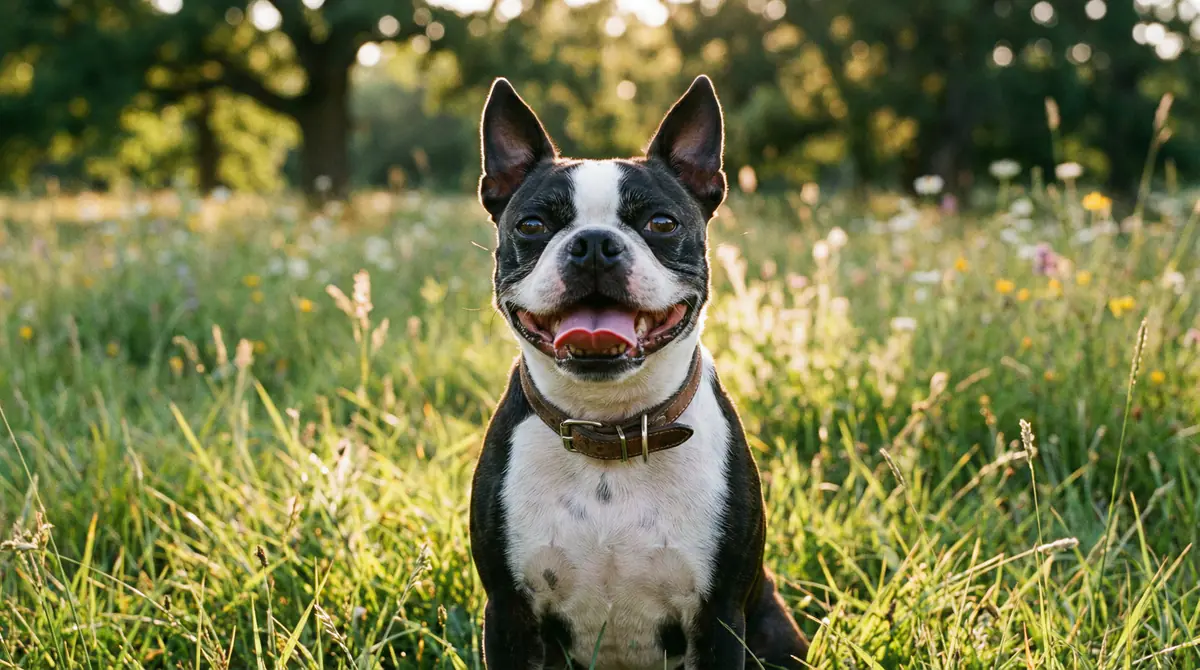
Bostons can look stocky while healthy or slim while needing muscle; your vet’s exam interprets the number.
Weight climbs fast if treats stay puppy sized after growth slows.
Uneven weekly gains are common; look at month trends.
Eye prominence means eye injuries need quick attention.
Noisy breathing can be baseline; distress is different.
Heat and humidity shrink safe exercise windows.
Puppyhood is not one stage. It is a stack of different problems and wins. Use this like a timeline, not a rigid rulebook.
Routine, potty, handling, calm exposure.
Impulse control with humor.
Manners and calorie watch.
Stable weight, lifelong habits.
We picked these products to help you take better care of your dog day to day—from sleep to safer walks, easier feeding, and a sensible setup at home. Each slot is narrowed to highly rated picks that match your dog’s size and stage.
Feeding, exercise, training, home setup, and prevention. Each block is written for people who just checked their puppy's weight curve.
Measured meals; your vet sets portions.
Flat faces can gulp air; discuss meal pacing with your vet.
Treats are budgeted.
Sniff walks and play beat forced cardio.
Indoor enrichment on hot days.
Swimming only with safety and vet approval.
Reward calm; excitement rehearsed becomes default.
Socialization is gentle novelty.
Separation practice early.
Cool rest zones in summer.
Eye safe toys; avoid sharp chews that snap up.
Vaccines and parasites per your vet.
Eye baseline photos help you notice changes.
Dental planning early.
If you are unsure, call your veterinarian, especially with puppies. This list is not complete and does not cover every situation. It is a general reminder of signs many clinics want to hear about.
General educational information only. It is not medical advice and does not replace an exam or treatment plan from a licensed veterinarian. Estimates and tips cannot diagnose illness or emergencies; contact your vet with any health concerns.
Friendly, bright, and amusing
Non-Sporting
Small
11-13 years
12 months
12-25 lbs
15-17" tall
12-25 lbs
15-17" tall
Boston Terriers were developed in late nineteenth century Boston from crosses that included bulldog and terrier ancestry, aiming for a compact companion with cleaner lines than some bull breeds of the era.
They became known as the American Gentleman for coat pattern and affable temperament.
Bostons are among the first American breeds recognized widely as companions rather than field workers. That history explains their people focus and their brachycephalic exercise limits.
The calculator uses your puppy's current age and weight to estimate adult size. Because puppies grow fastest early on and then slow down as they mature, the estimate adjusts for the stage of growth your Boston Terrier is in.
Boston Terriers are usually close to full size by around 12 months. As your puppy gets older and more of its growth is already complete, the estimate usually becomes more reliable.
Most adult Boston Terriers fall within a typical weight range of 12-25 lbs. You can use the calculator for younger puppies, but estimates are usually more accurate after about 12 weeks.
Straight answers on size, growth, feeding, and how to use this calculator alongside your veterinarian.
Adult Bostons are usually small but solid—often quoted around 12–25 lb. They can look stocky while healthy or slimmer while building muscle—compare ribs, waist photos, and energy to the trend line. Weight often climbs after growth slows if treats stay “puppy generous,” so measure food and log training snacks.
Many are largely done growing in height by about a year, but condition needs lifelong attention. Uneven weekly gains are common in puppies—look at month-long trends. Limit repeated high jumps off furniture while young; short-muzzled pups tire faster in heat.
They have a short muzzle, so heat and humidity shrink comfortable exercise time. Walk at cooler times, use a harness that avoids throat pressure, and never leave them in a hot car. End outdoor sessions while your pup still has bounce, then move training indoors when the pavement is hot.
Their eyes sit a bit more forward, so wild wrestling with sharp toys or happy tail-wags at face height needs simple rules. Use soft, size-appropriate toys, teach calm greetings, and manage rowdy play with gates or leashes when needed. Weight matters too—extra pounds make warm-day walks feel harder than they need to.
Weigh every few weeks, take occasional standing photos from above, and jot notes when you change food or treats. Skip rich table scraps—they pack calories small dogs do not need. Dental crowding is common—home tolerance training early makes tooth brushing and chews a normal part of life.
Share PetCareCalc with other pet parents or save the link to come back later.
Also try: Dog age calculator (dog years and human years) · Dog breed quiz
Add our free embeddable calculator to your site.
Still scrolling?
Five quick taps, an instant match, and a shareable link for the group chat. Free, no signup.
StartPredicting the growth of your Boston Terrier