Personalized chart
Enter age and weight to see your dog's unique trajectory.
How big will my Yorkshire Terrier get? Predict adult weight and track your puppy's development.
We picked these products to help you take better care of your dog day to day—from sleep to safer walks, easier feeding, and a sensible setup at home. Each slot is narrowed to highly rated picks that match your dog’s size and stage.
Roomy crates
Comfy beds
Walk-ready harnesses
Slow feeders
Tiny dogs need calorie rhythm and confidence building. Your projection should sit next to meal timing, hypoglycemia awareness, and socialization that respects their size.
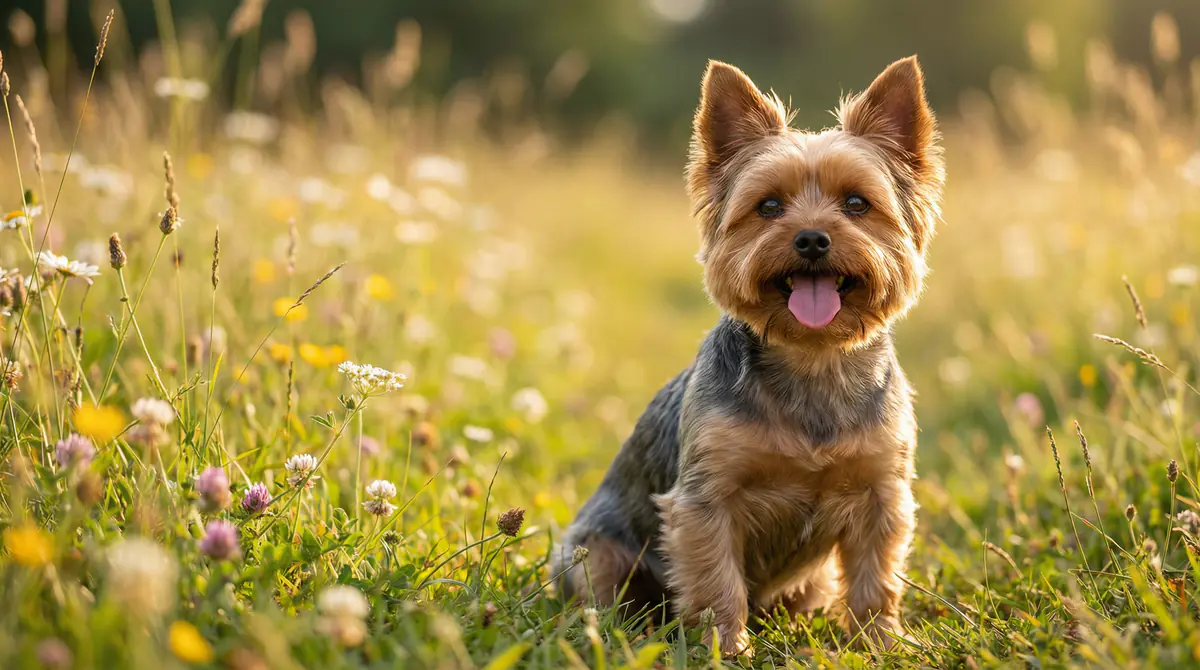
A few ounces matter on a 5 lb frame; your chart is useful, but weekly weigh ins on a sensitive scale tell the real story.
Toy puppies can crash blood sugar if meals are skipped or play goes too hard on an empty stomach, ask your vet for a schedule tailored to age.
If weight stalls or drops while energy drops, contact your veterinarian promptly.
Ideal shape varies; rely on your veterinarian to assess whether your pup is over or underweight.
Haircoat can hide weight; palpate regularly.
Bad breath or red gums are worth mentioning to your veterinarian; they can advise on dental care timing.
Puppyhood is not one stage. It is a stack of different problems and wins. Use this like a timeline, not a rigid rulebook.
Meals, sleep, potty, gentle world exposure.
Big dog training in a small package.
Consistency beats drama.
Habits set now last years.
We picked these products to help you take better care of your dog day to day—from sleep to safer walks, easier feeding, and a sensible setup at home. Each slot is narrowed to highly rated picks that match your dog’s size and stage.
Feeding, exercise, training, home setup, and prevention. Each block is written for people who just checked their puppy's weight curve.
Small, frequent meals as vet directs.
High value training treats still need a calorie cap.
If your pup seems sleepy or wobbly between meals, treat it as urgent until your vet says otherwise; toy breeds need steady fuel.
Short play; sniff walks; avoid overheating and exhaustion.
Carry when overwhelmed in busy environments.
Heat and cold both hit fast; plan shorter outings and appropriate gear.
Same rules as big dogs: no biting, no demand barking rewarded.
Protect them from being scooped by strangers, teach a consent based hello.
Socialization is exposure at comfortable distances; a scared toy pup needs space, not forced petting.
Block stairs if needed; watch for falling hazards.
Assume recliners, rocking chairs, and laundry piles are risk zones for a dog the size of a slipper.
Dental disease risk is high, plan early.
Use parasite preventives appropriate for your dog’s size and species; your veterinarian can recommend products.
Bring weight notes to visits; trends matter more than a single number on a chart.
If you are unsure, call your veterinarian, especially with puppies. This list is not complete and does not cover every situation. It is a general reminder of signs many clinics want to hear about.
General educational information only. It is not medical advice and does not replace an exam or treatment plan from a licensed veterinarian. Estimates and tips cannot diagnose illness or emergencies; contact your vet with any health concerns.
Affectionate, sprightly, and tomboyish
Toy
Toy
11-15 years
9 months
Tiny stomachs require frequent, small meals to prevent hypoglycemia (low blood sugar).
Yorkie
4-7 lbs
7-8" tall
4-7 lbs
7-8" tall
Yorkies reach their adult size incredibly fast, often being fully grown by 8-10 months.
During the 1800s industrial boom in northern England, Scottish weavers and mill workers brought small rough-coated terriers into Yorkshire’s factories and mines. Those dogs earned keep killing rats in tight spaces where a big dog could not go.
Breeders selected for smaller size, silkier coat, and big personality until the Yorkie shifted from vermin control to fashionable lapdog for Victorian ladies. The blue and tan coat and confident strut became breed trademarks.
Yorkies crossed the Atlantic as portable status symbols and beloved companions. Their working-terrier ancestry still shows up in bravery that outsizes their grams on the scale, which is charming until they pick a fight with a moving bicycle.
The calculator uses your puppy's current age and weight to estimate adult size. Because puppies grow fastest early on and then slow down as they mature, the estimate adjusts for the stage of growth your Yorkshire Terrier is in.
Yorkshire Terriers are usually close to full size by around 9 months. As your puppy gets older and more of its growth is already complete, the estimate usually becomes more reliable.
Most adult Yorkshire Terriers fall within a typical weight range of 4-7 lbs. You can use the calculator for younger puppies, but estimates are usually more accurate after about 12 weeks.
Straight answers on size, growth, feeding, and how to use this calculator alongside your veterinarian.
Adult Yorkies are tiny: many fall in roughly a 4–7 lb range, with individuals varying by genetics and build. A few ounces of change is a large percentage on that frame, so a sensitive scale and consistent weigh-in routine matter. The calculator helps track direction; your own trend line matters more than any single midpoint.
Toy dogs mature quickly compared with large breeds—many are largely done growing in height by about 8–10 months. That fast arc means meal structure and steady weight become important early. If the scale jumps or dips for several weeks, cross-check whether meal sizes, treats, or activity changed—tiny dogs show food mistakes on the graph quickly.
Yes—toy puppies often do best on small, frequent meals on a predictable clock rather than long gaps or free feeding. That rhythm keeps energy steady through training and play. Keep water available, use crumb-sized training treats, and avoid skipping breakfast on busy mornings if your pup is about to have a big outing.
A gram scale or precise small measure beats eyeballing; tiny errors are a big slice of daily calories. Budget training treats into the day’s total, and be cautious with rich human food—it hits small stomachs hard. After any diet change, watch stool and appetite for a few days before you tweak again.
Use the same scale, same time of day, and look at weeks-long trends—not hourly panic. Pair numbers with appetite, energy, and monthly photos; long coat can hide weight changes, so gentle palpation matters. If the estimate and the mirror disagree, trust several weigh-ins and rib feel before you overhaul the diet.
Share PetCareCalc with other pet parents or save the link to come back later.
Also try: Dog age calculator (dog years and human years) · Dog breed quiz
Add our free embeddable calculator to your site.
Still scrolling?
Five quick taps, an instant match, and a shareable link for the group chat. Free, no signup.
StartPredicting the growth of your Yorkshire Terrier