Personalized chart
Enter age and weight to see your dog's unique trajectory.
How big will my Beagle get? Predict adult weight and track your puppy's development.
We picked these products to help you take better care of your dog day to day—from sleep to safer walks, easier feeding, and a sensible setup at home. Each slot is narrowed to highly rated picks that match your dog’s size and stage.
Roomy crates
Comfy beds
Walk-ready harnesses
Slow feeders
Beagle parents need fence discipline, food security, and honest expectations about noise, your growth chart is only useful if weight does not balloon after the height stops.
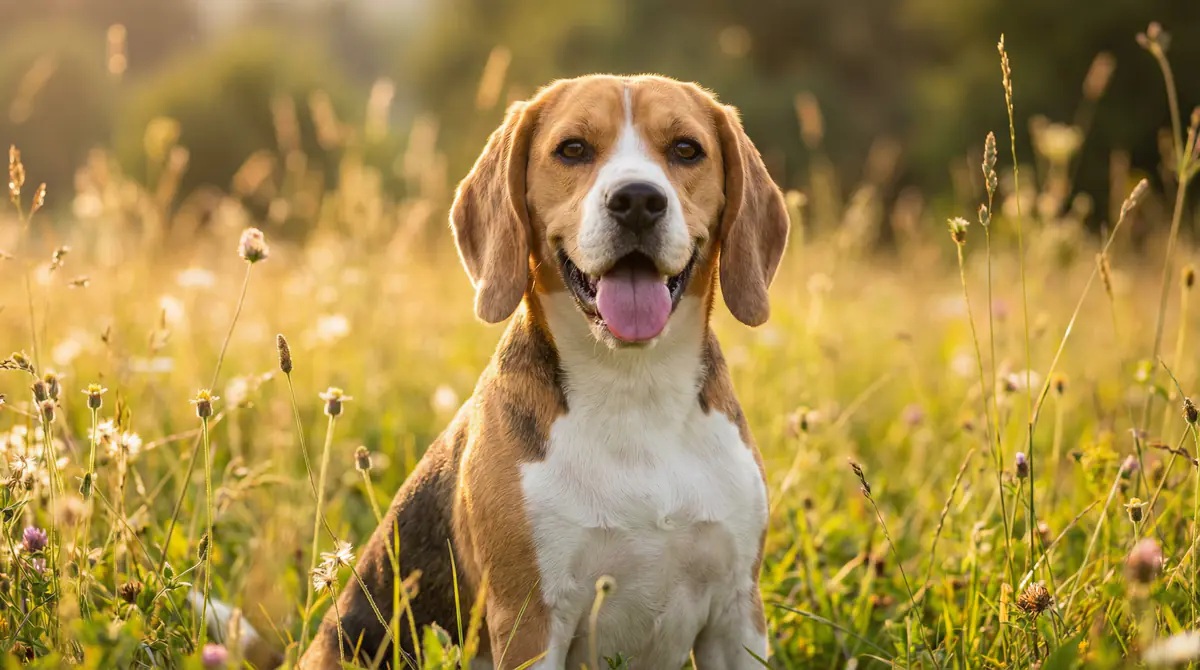
Beagles often stop getting taller around a year, then weight can climb fast if food stays “puppy generous.”
If your estimate looks fine but ribs disappear, trust body condition over the number.
Nose drive means calories found on walks count, kids’ crumbs, cat food, compost.
If the waist disappears or you are unsure about weight, ask your veterinarian about body condition.
Coat can hide chub, palpate ribs monthly.
If energy crashes or hunger becomes frantic, mention it to your veterinarian; do not assume it is only behavior.
Puppyhood is not one stage. It is a stack of different problems and wins. Use this like a timeline, not a rigid rulebook.
Management + potty + gentle socialization.
Leash and impulse control with food motivation.
Reinforce recall; watch after growth weight.
Keep fit, keep contained, keep kind training.
We picked these products to help you take better care of your dog day to day—from sleep to safer walks, easier feeding, and a sensible setup at home. Each slot is narrowed to highly rated picks that match your dog’s size and stage.
Feeding, exercise, training, home setup, and prevention. Each block is written for people who just checked their puppy's weight curve.
Measured meals only; free feeding and Beagles is a common obesity path.
Use portioned treat bags for training days.
If your pup acts starving on measured food, ask your vet to confirm calories and condition before you add volume.
Sniff walks are exercise; mileage is not the only metric.
Secure yard play beats unreliable recall near roads.
Rotate physical and mental work; a tired brain often matters more than extra miles for a vocal, busy hound.
Work with scent, not against it, give legal sniff jobs.
Fair expectations: recall may never be 100% off leash in unenclosed spaces.
Reward calm at windows and doors; rehearsed excitement becomes default barking.
Assume they will open unsecured lids.
Trash with a lock or inside a closet.
Compost, dirty dishes, and gym bags are Beagle buffets; store like you have a toddler with a nose.
Ear care if floppy ears trap moisture.
Weight counseling at vet visits, Beagles are clinic favorites for a reason.
Keep a single note with vaccine dates, parasite doses, and weigh in dates so trends are easy to show your vet.
If you are unsure, call your veterinarian, especially with puppies. This list is not complete and does not cover every situation. It is a general reminder of signs many clinics want to hear about.
General educational information only. It is not medical advice and does not replace an exam or treatment plan from a licensed veterinarian. Estimates and tips cannot diagnose illness or emergencies; contact your vet with any health concerns.
Friendly, curious, and merry
Hound
Small
10-15 years
12 months
Measured meals only. Never free-feed a Beagle as they will eat until they are ill.
22-30 lbs
13-15" tall
20-24 lbs
13-15" tall
Beagles are scavengers. Their weight can balloon rapidly after they stop growing taller at 12 months.
Beagles descend from ancient scent hounds kept in packs across Britain. They were bred to hunt hare and rabbit on foot, using voice and nose rather than sight. “Music” on the trail was a feature, not a bug, which still annoys neighbors who were not briefed.
Smaller “pocket” Beagles show up in history as curiosities for hunters who wanted a hound they could follow on foot without horses. The modern Beagle standardized into a sturdy small hound, still built for endurance and appetite for work.
American and English lines diverged somewhat in style, but the job description stayed the same: follow scent, stay brave, and cooperate in a pack. That heritage is why your puppy acts like a stomach with legs and treats every breeze like a headline.
The calculator uses your puppy's current age and weight to estimate adult size. Because puppies grow fastest early on and then slow down as they mature, the estimate adjusts for the stage of growth your Beagle is in.
Beagles are usually close to full size by around 12 months. As your puppy gets older and more of its growth is already complete, the estimate usually becomes more reliable.
Most adult Beagles fall within a typical weight range of 20-30 lbs. You can use the calculator for younger puppies, but estimates are usually more accurate after about 12 weeks.
Straight answers on size, growth, feeding, and how to use this calculator alongside your veterinarian.
Typical adult Beagles are often in about a 20–30 lb range, with males commonly toward roughly 22–30 lb and females toward roughly 20–24 lb. Individuals vary with genetics and build. Your calculator estimate is most reliable when you weigh regularly and compare to prior entries rather than chasing a single perfect number.
Many Beagles are largely done growing in height by around a year, but appetite and scavenging instinct do not turn off. That is when “easy weight gain” shows up if meals and treats are not structured. Measured portions and no free feeding are especially important for a breed that will eat past comfort if food is always available.
The breed profile is clear: measured meals only. Free-fed Beagles often overeat and can become overweight quickly after growth slows. Split food into scheduled meals (morning and evening is a common pattern), and count every training treat, dental chew, and “just a bite” from the table.
It uses typical Beagle growth timing and your entered age and weight. Hounds follow scent and opportunity; if your pup is getting extra calories from counter-surfing or neighborhood finds, the scale will tell a different story than the curve alone. Log weights on the same schedule so outliers show up as a pattern, not a one-off.
Secure trash and food storage, use a leash where scavenging is likely, and keep exercise consistent. Beagles are amiable but determined about food; structure prevents rehearsing “find it and eat it.” Pair the calculator with waist and rib checks so adult weight settles on a trend you can sustain, not on surprise snacks.
Share PetCareCalc with other pet parents or save the link to come back later.
Also try: Dog age calculator (dog years and human years) · Dog breed quiz
Add our free embeddable calculator to your site.
Still scrolling?
Five quick taps, an instant match, and a shareable link for the group chat. Free, no signup.
StartPredicting the growth of your Beagle