Puppy size predictorDog age calculator
Which breed fits you best?
Five lifestyle questions, your top match and runners-up, and a link worth sending to the group chat. No signup—just tap and see.
5 questions · Skip anytime · Same page · Works on your phone
234+ breeds on PetCareCalc. Your quiz ranks matches across our full breed catalog.




















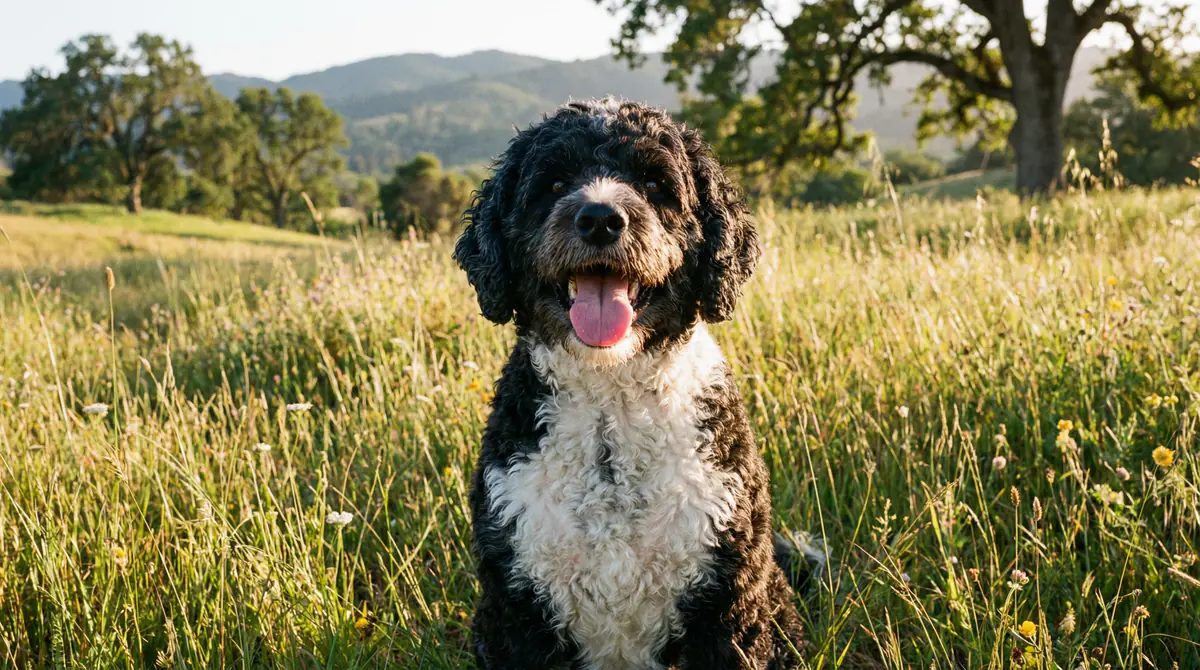

Ready for your match?
No DNA kit, no account. Tap through couch time, weekends, and energy—then we rank breeds from our full catalog for you, with extra picks worth arguing about.
- Under a minute
- Shareable link
- 100% free
Start with these for your dog
We picked these products to help you take better care of your dog day to day—from sleep to safer walks, easier feeding, and a sensible setup at home. Each slot is narrowed to highly rated picks that match your dog’s size and stage.
Roomy crates
Amazon Basics Folding Metal Crate with Growth Divider
Comfy beds
EHEYCIGA Orthopedic Washable Memory Foam Bed
Walk-ready harnesses
BARKBAY No-Pull Comfort Walking Harness
Slow feeders
Keegud Raised Slow Feeder for Better Digestion
Growth scales
Beurer Digital Pet Scale - High-Precision Tracking
Everyday bowls
JASGOOD Anti-Gulping Slow Feeder Bowl
Share on social
Send the quiz and playbook to a friend; the link includes your results if you just finished the quiz.
Save this page
The dog breed for me playbook
Everything worth knowing before you fall in love with a face online: how to read quiz results, what breeds never tell you up front, and how to turn a fun match into a real-life dog who thrives with you.
How to use your quiz results (without fooling yourself)
A "breed for me" quiz is a compass, not a contract. It shines when it names breeds you had not considered and when it forces you to admit what your evenings actually look like, not the version of you who runs ultramarathons, but the version who works late and just wants quiet.
Treat your top match as a hypothesis. Your runner-ups and honorable mentions are not consolation prizes; they are alternate timelines where your schedule, housing, or patience differs by ten percent. The best outcome of this page is a short list of breeds (or breed types) worth meeting in person.
If your result surprises you, slow down. Read about exercise needs, noise, grooming, and common health topics for that breed before you argue with the quiz. If it confirms what you already wanted, slow down anyway. Confirmation bias is how unprepared owners are made.
Try this: share your quiz link with someone who knows your real daily routine (a partner, roommate, or honest friend). Ask them whether your top match makes sense for the household they actually witness, not the one you describe. Uncomfortable agreement is a green light; polite silence is a yellow one.
One more thing: revisit in six months. Life changes fast, and a breed that made sense when you worked from home may not fit after a return-to-office commute. The quiz is free and fast; retaking it with updated honesty is the cheapest insurance against regret.
Lifestyle fit beats breed fandom
Most regret stories are not "wrong breed," they are right breed, wrong decade: a high-drive working dog in a season of life with no time, a vocal breed in thin-walled housing, or a giant puppy in a third-floor walk-up with no plan for aging joints.
Be brutally honest about the next three to five years. Moving cities, having kids, changing jobs, or caring for relatives all change what "easy dog" means. A breed that fits you at twenty-two may not fit at thirty-two unless your habits genuinely move with the dog's needs.
Write down your non-negotiables before you browse listings. A useful starting framework:
- Alone time: How many hours per weekday is the house empty? Include commutes. Dogs do not experience "only four hours" the way you do.
- Exercise budget: Realistic minutes per day, in your worst weather month, not your best.
- Grooming tolerance: How often are you willing to brush, bathe, and book professional grooming, and pay for it?
- Noise threshold: What will your neighbors tolerate? What will you tolerate after a long day?
- Training and daycare budget: Classes, walkers, sitters, and behavioral help if problems appear.
- Travel frequency: Who cares for the dog when you leave town, and what does that cost?
If you cannot fill in those blanks with numbers, you are not ready to filter breeds. You are ready to keep researching, which is still progress, and honestly more than most people do before falling for a puppy photo.
Exercise, enrichment, and "off switches"
Exercise is only one dial. Mental enrichment, scent games, food puzzles, training sessions, and structured play often matter as much as miles. Many behavior issues labeled "anxiety" or "reactivity" start as under-employed brains in bodies built for jobs humans no longer ask them to do.
Ask about recovery, not just stamina. Some dogs need hard aerobic work to settle; others need consistent routines and clear expectations. "High energy" is not a moral failing; it is a mismatch when your real life cannot provide outlets safely and consistently.
Low-drive companions, including many toy and brachycephalic breeds, usually do best with short walks, indoor play, and temperature-controlled enrichment. Pushing them like marathon athletes can hurt as much as under-exercising. Moderate-energy family dogs (many retrievers, spaniels, and medium mixed breeds) often need on the order of 45–90 minutes of mixed activity per day, with variety across the week. High-drive working and sporting breeds (herders, pointers, huskies) need structured physical and mental outlets every day. These dogs need a real job, not a suggestion, and fetch alone rarely satisfies a brain wired for problem-solving.
Weather and seasons matter more than people admit. Heat, ice, and short winter daylight all change what counts as a fair week. If you cannot imagine brisk leashed walks in your worst weather month, factor that into breed selection before you romanticize trail dogs.
Also consider your own recovery. A dog who needs ninety minutes of daily output will ask for it when you are sick, injured, or heartbroken. If you do not have a backup plan (a reliable dog walker, a fenced yard, or daycare you trust), choose a breed whose worst-case exercise deficit does not produce destructive behavior.
Apartments, yards, stairs, and neighbors
Space is less about square footage and more about management: where the dog toilets on bad days, where they eat away from chaos, where they sleep without being stepped on, and how sound travels to neighbors. Many large, quiet dogs do well in apartments; many small, vocal dogs strain leases faster than size ever predicted.
Think about vertical life if you live above ground floor. Carrying a 70-pound dog down three flights during a fire alarm, an injury, or old-age joint failure is not hypothetical. It is Tuesday night at some point. Giant breeds in upper-floor apartments need an elevator or a very honest plan.
Elevators, shared hallways, and lobby etiquette are part of breed fit. So are local leash laws and how crowded your sidewalks are. A reactive dog on a busy urban sidewalk is not "bad", but managing that mismatch is exhausting and expensive. A dog who needs space to decompress may struggle in dense urban cores unless you can provide predictable escape valves like early-morning walks or car rides to quieter parks.
If you rent, assume you will need written permission and a Plan B if you must move. "Pet-friendly" listings still filter by weight or breed labels. Research your city's rental market before you commit. Some breeds face insurance restrictions that make landlords hesitant regardless of individual temperament. Never assume your future self can magically find housing. Check Craigslist or Zillow right now and count how many listings in your price range accept a dog of the size and breed type you want.
Yards are not a substitute for engagement. A fenced yard without human interaction produces bored, barking, fence-running dogs. It is a convenience for toileting and supervised play, not a replacement for walks, training, or your attention.
Coat, shedding, skin, ears, and nails
Grooming is recurring time and money, and the cost compounds in ways first-time owners rarely anticipate. Double coats, non-shedding coats that mat, long feathering, and tight skin folds each create different chores. Ignore this and you get painful matting, chronic ear infections, or skin issues that were entirely preventable with routine.
Short, smooth coats (think Beagles, Boxers, Whippets) need minimal brushing but still shed and need regular baths, nail trims, and ear checks. Double coats (Huskies, Golden Retrievers, Aussies) bring heavy seasonal blowouts twice a year, weekly brushing year-round, and a serious vacuum budget. Wire or curly coats (Poodles, Doodles, Schnauzers) mean professional grooming every 4–8 weeks, daily-to-every-other-day brushing to prevent mats, and higher lifetime grooming costs than most types. Long or silky coats (Yorkies, Afghans, Maltese) need daily work to avoid tangles, frequent trims, and you should plan for staining or breakage. Skin-fold breeds (Bulldogs, Shar-Peis, Pugs) need regular fold cleaning to prevent infections, plus attention to tear stains and tail pockets.
Shedding is not vanity: it is allergies, black clothing, car seats, and how often you vacuum. If someone in your home has allergies, talk to a medical professional before you bring a dog home and be cautious about marketing language. No breed is truly hypoallergenic for everyone, lower-shedding breeds produce less airborne dander, but individual reactions vary and can worsen over time.
Nail maintenance and dental care are lifelong responsibilities that many owners underestimate. Overgrown nails change posture and joint stress. Untreated dental disease can lead to organ damage. Some dogs tolerate handling easily from day one; others need careful, patient conditioning that starts the week you bring them home. If handling is a struggle, budget for professional nail trims and dental cleanings rather than skipping them entirely.
Training appetite: manners vs hobbies vs sports
Every dog needs cooperative care and basic safety skills, reliable recall, leash manners, settling on cue, and comfort with handling by strangers (vets, groomers, pet sitters). Beyond that baseline, training depth is a lifestyle choice that should match the breed you pick.
At the manners-only tier you are covering house rules, polite greetings, and loose-leash walking: the minimum for living together. Budget a puppy kindergarten class and a few months of weekly practice. Structured enrichment adds regular puzzle work, nose games, trick training, and short sessions that keep a smart dog engaged. Most herding and sporting breeds need at least this much. Sports and advanced work (agility, competition obedience, dock diving, herding trials, scent work) is where some breeds stop being optional: for them it is what they were designed for, and skipping it tends to create behavioral debt.
Budget for a qualified, force-free trainer when you need help. Reactivity, resource guarding, and fear are not DIY weekend projects. The right professional saves money compared to replacing chewed walls, managing bites, or surrendering a dog you love but cannot handle. Ask your veterinarian for referrals, not social media groups, where credential verification is essentially nonexistent.
Puppies are not blank slates; genetics and early environment both matter. Adult rescues can be magnificent; they can also carry hidden fear periods or prior pain. Plan for a transition month that looks boring from the outside: predictable routines, decompression, and relationship building before bragging rights. Trainers call this the "two-week shutdown" or "three-three-three rule", three days to decompress, three weeks to learn your patterns, three months to feel at home.
Size changes almost everything (including lifespan)
Size is not just about how much space a dog takes up. It changes cost, logistics, lifespan, and what goes wrong when things go wrong. Understanding size implications is one of the most practical things you can do before choosing a breed.
Giant breeds (Great Danes, Mastiffs, Saint Bernards) often have shorter average lifespans (commonly 7–10 years), expensive joint and cardiac care, large food bills, and you need a vehicle that fits them. Lifting an injured 140-pound dog into a car at midnight is a real scenario you should visualize now. Large breeds (Labs, Goldens, German Shepherds) still mean substantial food and medication costs, common orthopedic concerns (hips, elbows, cruciate ligaments), and leash strength that really matters during adolescence.
Medium breeds cover a wide band (Aussies, spaniels, Border Collies): compare shoulder height, weight, and leash strength, not just photos, because a 35-pound dog and a 55-pound dog are both "medium" but live very different lives in your home. Small breeds (Dachshunds, Beagles, Corgis) are more portable with lower food costs but still need real exercise and training; back problems, dental disease, and patellar issues show up often across small dogs.Toy breeds (Chihuahuas, Yorkies, Maltese) add fragility from falls, being stepped on, or rough handling by children, plus temperature sensitivity in cold weather. They are easy to carry but still deserve to walk and explore on their own feet.
Meet adults of the breed when you can; puppy photos lie by definition. A ten-week-old Bernese Mountain Dog fits in your lap; a one-year-old does not, and they do not understand why you stopped letting them try.
After you shortlist, map growth with data. Our puppy size predictor helps anchor expectations for weight curves by breed. Pair it with the dog age calculator when you are thinking about life stages and aging timelines, not just cute puppy phases. Knowing that your chosen breed's "senior" stage may start at age six versus age ten changes how you plan finances, insurance, and activity levels.
Puppy vs adult vs senior: what each really asks of you
The age of dog you bring home changes your first year more than almost any other single variable. Each stage has distinct advantages and honest costs.
Puppies (8–16 weeks) let you control early socialization, but you also absorb sleep loss, biting phases, house-training drama, teething destruction, and a critical socialization window (roughly 3–14 weeks) that you cannot fully recover once it closes. You need flexible hours or reliable help during the first three months. Expect to leave social events early, cancel plans, and clean up messes in places you did not think were accessible.
Adolescents (5–18 months) are the forgotten stage, often available through rescues or returns. Expect boundary testing, selective deafness, hormonal changes, and a second fear period. The upside is you are past the fragile puppy stage and personality is starting to show. The downside is the cute grace period is over and the hard work is not.
Adults (2–7 years) are largely "what you see is what you get" for energy, size, and temperament, and you are past the housetraining gauntlet. They may carry behavioral baggage from previous homes, but a good rescue or foster network can tell you a lot about the individual before you commit.
Seniors (7+ years, varies by size) are deeply rewarding, often calm, and bond quickly. Medical costs tend to be higher and timelines shorter. If you are prepared for that trade-off, senior adoption is one of the most impactful things you can do. Many seniors are overlooked because adopters chase youth; these dogs still have love, humor, and loyalty to offer.
There is no morally superior choice; there is only fit. If you want predictability in energy and size, adults shine. If you want maximum control over early exposures and socialization, puppies shine, but only if you genuinely have the schedule and patience.
Mixed breeds, shelter dogs, and "breed guesses"
Many wonderful dogs are mixes or lack papers. Visual breed ID is notoriously inaccurate, studies show that shelter staff and experienced dog people guess incorrectly more often than not. Behavior still matters more than a label on a kennel card, and a DNA test will tell you more than anyone's eyes.
When evaluating shelter or rescue dogs, push past labels into observed behavior. Ask how the dog walks on leash and whether they react to other dogs on walks. Ask what happens when they are left alone and whether a foster has seen distress or destruction. Ask about resource guarding around food, toys, resting spots, or people, and about any history with children of different ages when it is known. Ask for honest reporting on cat or small-animal exposure and prey interest, and about how they tolerate handling, grooming, and vet-like touch.
Your quiz result can still guide traits to prioritize when you meet individuals: exercise needs, noise level, coat care, and training style. Think in terms of energy and handling rather than only breed names. A quiz that pointed you toward a calm, low-exercise companion means you should look for those qualities in the individual dog, whether purebred or mix.
Adoption and responsible breeding both exist for good reasons. Avoid shame spirals online; do seek transparency, health documentation appropriate to the source, and contracts that protect the dog if life changes. Many rescues offer trial foster periods, take advantage of these. Living with a dog for two weeks tells you more than any meet-and-greet, profile, or quiz ever will.
Money: the boring line item that decides quality of life
Budget food at the size the dog will be, not the size they are today. A Labrador puppy is cute and cheap to feed; an adult Labrador eats meaningfully more than a Chihuahua and needs larger doses of every medication. Beyond food, plan for routine vet care: annual exams, vaccines, heartworm testing, and flea and tick prevention, with at least two visits per year even for a healthy dog.
Build an emergency fund. One surprise middle-of-the-night emergency visit can run $1,000–$5,000; cruciate surgery often lands at $3,000–$6,000; bloat surgery in a giant breed can exceed $8,000. These are not rare; they are common enough that every owner should plan for at least one major event. Add grooming (professional visits every 4–8 weeks for curly or long coats, plus baths, nail trims, and ear cleaning even for short coats), training (puppy classes, adolescent refreshers, and behavioral help when needed; group classes often run $150–$300 for six weeks, while private work with a certified behaviorist can be $150–$300 per hour), and travel coverage (boarding often $30–$80 per night depending on area; in-home sitters may cost more but reduce stress).
Expect gear replacement as collars, harnesses, leashes, beds, crates, bowls, and toys wear out, with puppies destroying things faster than you expect. Licensing and microchipping are small line items but legally required in most jurisdictions, so fold them in from the start.
Insurance or dedicated savings are not pessimism: they are how stable homes absorb randomness without resenting the dog. Pet insurance is most cost-effective when enrolled young and healthy; pre-existing conditions are excluded. Compare policies on annual limits, deductibles, and breed-specific exclusions before you sign.
If the monthly number makes you wince, pause before you rationalize with "we will figure it out." Dogs deserve owners who budgeted for reality, not just the fun parts.
What to research for any breed on your shortlist
Look for well-documented conditions, not rumor. The OFA (Orthopedic Foundation for Animals) database is public and searchable by breed. Ask breeders or rescues what they screen for and what they see in real clinical life. Your veterinarian is your partner for interpreting test results and prevalence, not Reddit threads, not breed Facebook groups, and not the breeder alone.
Common screening areas vary by breed type. Hips and elbows matter especially in large and giant breeds (German Shepherds, Golden Retrievers, Rottweilers, Bernese Mountain Dogs); ask for OFA or PennHIP results from both parents. Eyes need annual CAER (Companion Animal Eye Registry) exams when a breed is prone to progressive retinal atrophy, cataracts, or lens luxation. Heart screening via echocardiogram or careful auscultation applies to breeds at risk for dilated cardiomyopathy or valve disease (Cavalier King Charles Spaniels, Dobermans, Boxers).
Watch for neurologic and orthopedic issues such as degenerative myelopathy, intervertebral disc disease (common in Dachshunds and French Bulldogs), and patellar luxation in small breeds. Brachycephalic airway disease in Bulldogs, Pugs, French Bulldogs, and other flat-faced breeds means airway obstruction, heat intolerance, and anesthesia risk; these are not cosmetic concerns and they affect quality of life daily. Skin, allergies, and ears can drain your budget and energy; floppy-eared breeds like Cocker Spaniels and Basset Hounds need regular ear cleaning to prevent infections. Some breeds carry elevated cancer risk (Golden Retrievers, Flat-Coated Retrievers, Bernese Mountain Dogs, among others). That is not automatically a reason to avoid them, but it is a reason to budget for diagnostics and treatment.
Prevention beats heroics in every case: weight control is the single most impactful thing you can do for joint and metabolic health. Dental care prevents organ damage. Appropriate exercise for age protects growing joints. And not skipping checkups when "they seem fine" catches problems when intervention is still cheap and effective.
Your first year: a realistic arc
The first year with a dog is not one phase. It is several, each with its own demands. In weeks 1–2, whether you have a puppy or an adult, the dog is decompressing in a new environment. Keep life calm, predictable, and low-pressure, resist parading them to every friend, and lock in a sleep spot, feeding schedule, and toileting routine.
Across weeks 2–8, puppies are still inside a closing socialization window, so introduce new surfaces, sounds, people, and gentle handling and start house training in earnest. With adults, watch patterns, note triggers, and build trust through consistency.
In months 2–4, puppies chew everything and adolescents test boundaries. Redirect, manage, and reinforce what you want. This is when most people feel overwhelmed; that is normal, and it passes. Months 4–8 bring selective hearing, hormones, and sometimes a second fear period, so your well-trained puppy may act like they never heard "sit." Stay consistent, do not punish fear, and support them through it.
By months 8–12, most dogs start to resemble their adult selves in energy and behavior, though lapses still happen. Training is not "done"; it is becoming a habit for both of you. From months 12–18, maturity varies: small breeds may be mentally adult while large and giant breeds are still adolescents, so adjust expectations to your dog's actual stage, not a calendar milestone.
Expect to adjust tools multiple times: harnesses, crate sizes, food portions, exercise plans, and possibly your own schedule. The dog you have at eighteen months may finally resemble the adult breed stereotype, or prove that stereotypes were always too neat. Either way, you will know your dog better than any breed description ever could.
Finding a dog ethically (questions that filter noise)
Good sources answer hard questions willingly. They care where their dogs land. They invest in health, socialization, and support after placement. Whether rescue or breeder, transparency beats polish. Here are the questions that separate responsible sources from marketing:
For breeders:
- Can you visit and see where puppies are raised, including the mother's living conditions?
- What health tests have been performed on both parents, and can you see the results?
- What is the written contract if you cannot keep the dog at any point in its life? (Good breeders take dogs back.)
- How many litters does each female produce, and how often?
- What socialization does the breeder provide before puppies leave (surfaces, sounds, handling, crate introduction)?
- Can you speak with previous puppy buyers?
- Does the breeder ask you hard questions? (This is a good sign: they care about placement.)
For rescues and shelters:
- What behavioral assessments have been done, and by whom?
- Has the dog been in a foster home, and what did the foster observe about daily habits?
- What vaccines, deworming, spay/neuter status, and vet records exist?
- What is the return policy if the match does not work?
- Is there post-adoption support or access to a trainer?
- What is known about the dog's history, and what is genuinely unknown? (Honest unknowns are better than fabricated certainties.)
In both cases, a source that gets defensive when you ask these questions is waving a flag. Walk toward transparency; walk away from pressure.
Red flags that should pause your heart
Learn to recognize these warning signs. Any single one is worth pausing; multiples together should send you in the other direction:
- Pressure to pay tonight: "Someone else is interested" or "deposit is non-refundable and due immediately." Ethical sources give you time to decide.
- Multiple unrelated litters always available: a hallmark of commercial breeding operations. Responsible breeders typically have waitlists.
- Shipping puppies like packages with no questions asked: good breeders want to meet you or at minimum video-call extensively before placing a puppy.
- No mention of health testing: zero reference to OFA, CAER, genetic panels, or breed-specific screenings where they are standard.
- Guarantees that are impossible to make: "quiet guaranteed," "perfect with kids guaranteed," "hypoallergenic guaranteed." No living being comes with performance warranties.
- Refusal to show living conditions: "We do not allow visits" without a credible alternative (such as detailed video tours with a foster family).
- Hostility toward questions: bullying you for asking about vet records, return policies, or parent health is a disqualifier.
- No contract or a contract with no return clause: responsible sources always want the dog back if it does not work out.
- Pricing that seems too good to be true: unusually cheap purebred puppies often come from operations cutting corners on health, socialization, and welfare.
Walk away. The cute photo is not worth funding suffering or setting your family up for years of preventable struggle. There will be another dog, one from a source that earned your trust.
After you shortlist: a serious meet-up plan
Your shortlist is a hypothesis. Now test it with real-world data. Talk to owners at parks and training classes, not to harvest anecdotes that confirm what you already want, but to notice patterns. Ask what they would do differently, what surprised them most in the first year, and what they spend monthly in time as well as money.
Visit breed-specific meetups or events when you can. Many breed clubs host gatherings where you see adults exercising, resting, and interacting, and temperament range matters because not every Golden Retriever is the same dog. Spend time with adults in real homes too. Staged social media is not research, so ask a breeder, foster, or owner if you can observe barking at windows, pulling on leash, shedding on the couch, how they settle after exercise, and what "off-duty" actually looks like.
Volunteer at a shelter or rescue if you can spare even a few weekend mornings walking and socializing dogs. Hands-on time with different sizes, energy levels, and temperaments teaches you what you actually enjoy versus what you imagined. If a rescue offers foster-to-adopt, treat it as the gold standard: you get morning walks in the rain, late-night potty trips, and how the dog fits your real life, with the option to make it permanent.
Resist the urge to rush. The dogs are not going anywhere. The right match is worth waiting for, and the wrong match is expensive, heartbreaking, and avoidable with patience.
Housing, insurance, travel, and legal basics
These are the unglamorous logistics that prevent crises. Handle them before you bring a dog home, not after. Read leases and HOA rules carefully; many restrict by breed label, weight, or number of pets. Get written permission and keep copies, because "my landlord said it was fine" means nothing without documentation.
Check homeowner's or renter's insurance before you adopt. Some carriers restrict or surcharge for specific breeds (Pit Bull types, Rottweilers, German Shepherds, and others vary by insurer), and learning the limits after a claim is too late. For car safety, plan for a crash-tested crate or seatbelt harness; an unrestrained 60-pound dog becomes a projectile in a sudden stop, so think through how a dog your size fits in your actual vehicle.
Travel means staying on top of airline rules, temperature embargoes, and crate requirements before you book, and for road trips planning rest stops, temperature management, and safe confinement. In hotels, vacation rentals, and family homes, a dog who is fine alone at home may still be destructive or vocal somewhere new, so line up a management plan or trusted boarding. Learn your local laws on leashes, bite reporting, dangerous-dog rules, and licensing, because that is part of being the neighbor dogs deserve. Finally, save emergency contacts in your phone before day one: your vet, the nearest 24-hour emergency clinic, and a poison control line (ASPCA: 888-426-4435).
Multi-dog homes and rotating priorities
The "get a second dog to keep the first one company" impulse is one of the most common and most misunderstood decisions in dog ownership. A second dog does not fix anxiety, boredom, or under-exercise in the first; those are owner-side problems that another dog cannot solve and may worsen through modeling or amplification.
Costs do not scale linearly; they more than double. Two dogs mean two vet bills, two sets of preventatives, two boarding fees, and double the training time. Many surprises (a fight, an illness in one dog that stresses the other) are multiplicative, not additive. Introductions need structure: parallel walks before shared space, separated feeding stations, separate crates or resting areas, no shared high-value bones or stuffed Kongs until you understand the dynamic, and intense supervision for the first two to four weeks.
If you can, stagger ages. Two puppies at once ("littermate syndrome") is widely discouraged because puppies bond to each other instead of to you, which makes training and socialization harder. Waiting until dog number one is trained and settled (often two-plus years) before adding another is usually kinder to everyone. On same-sex versus opposite-sex pairs, same-sex duos see higher conflict rates in many breeds, especially with intact dogs. It is not universal, but it is worth discussing with a trainer or behaviorist before you choose.
Fair does not mean identical: each dog needs individual training sessions, individual walks (at least sometimes), and individual attention. In busy households, this means more scheduling, not less. If you are already stretched thin with one dog, adding a second is rarely the answer.
How this quiz ranks breeds (transparency)
We believe you deserve to know how your results are generated. Here is exactly how the quiz works under the hood:
Your five answers build a preference vector across five axes: exercise need, space tolerance, training depth, social intensity, and size preference. Each answer shifts your position on these axes by a fixed amount.
Every breed in our catalog (200+) has a computed profile derived from AKC metadata, breed group classification, typical size, exercise requirements, and grooming intensity. We score how close your preference vector is to each breed's profile using a weighted distance calculation, with extra penalties for combinations that tend to fail in real homes, for example, very low space tolerance paired with breeds that classically need room, or minimal exercise commitment matched with high-drive working dogs.
The axis weights are not equal. Size compatibility and exercise fit carry more weight than social tolerance, because mismatches on those axes tend to produce the most real-world friction. This is an editorial choice based on shelter return data patterns and trainer feedback, not a universal truth.
When several breeds land within a few points of each other (which happens more often than you might expect), we may rotate the featured "top pick" for variety. Your shareable link pins the exact version you saw, including the tie-break variant. The full ranking underneath is still driven entirely by your same answers.
That means the quiz is internally consistent, not omniscient. It cannot see your future schedule, your cat, your toddler's chaos, or the specific dog you will meet. Use it as a structured starting point for research, not as a prescription.
Limits, kindness, and the only disclaimer that matters
PetCareCalc tools are educational. They do not replace veterinarians, trainers, behaviorists, or your own judgment. No quiz, guide, or online resource can account for the full complexity of a living being, your specific household, or the unpredictable moments that define real dog ownership.
Breed talk trends toxic fast online. You can advocate for dogs without dunking on people who are still learning, because every expert was once a beginner with a dream dog in their head. The person asking "basic" questions today is the experienced, compassionate owner of tomorrow, if the community they find is helpful instead of hostile.
If this guide helped you think more clearly, save petcarecalc.com, share the quiz with a friend who is "just browsing puppies," and come back when you are ready for weight curves and age math. The best time to prepare is before you fall in love. The second best time is right now. Good luck, and be the human your future dog deserves.
Found this tool useful?
Share PetCareCalc with other pet parents or save the link to come back later.
Also try: Puppy size predictor · Dog age calculator