Personalized chart
Enter age and weight to see your dog's unique trajectory.
How big will my German Shepherd get? Predict adult weight and track your puppy's development.
We picked these products to help you take better care of your dog day to day—from sleep to safer walks, easier feeding, and a sensible setup at home. Each slot is narrowed to highly rated picks that match your dog’s size and stage.
Roomy crates
Comfy beds
Walk-ready harnesses
Slow feeders
Your projection is one data point, here is how German Shepherds typically grow, how to protect joints during a fast growth spurt, and how to raise confidence without creating anxiety.
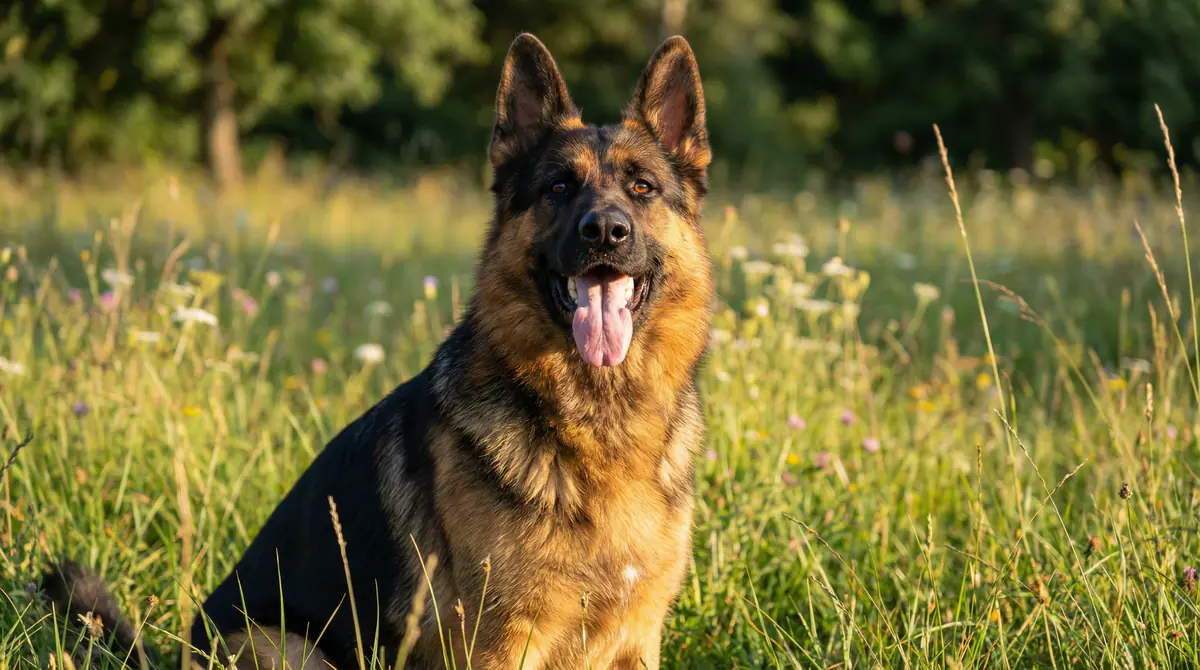
German Shepherds often shoot up in height before they look “finished,” so a lean teenager look can be normal even when the chart says they have room to grow.
Working lines, show lines, and sex differences can swing adult weight meaningfully. Compare trends over weeks, not one weigh in against a stranger’s puppy on social media.
If your pup is lighter or heavier than the midpoint but active, proportional, and cleared by your vet, that can still be healthy, especially during fear periods when appetite wobbles.
GSDs are deep chested and athletic; “rib visibility” can be normal for some individuals while overweight shows as loss of waist and heavy fat cover.
Bunny hopping, sitting oddly, or reluctance to jump are worth mentioning to your veterinarian.
Adolescence commonly includes spooky phases, behavior change is not always medical, but sudden fear + pain signs should be checked.
Puppyhood is not one stage. It is a stack of different problems and wins. Use this like a timeline, not a rigid rulebook.
Routine, confidence, and gentle handling.
Skills and boundaries before adolescence hits.
Joint care and consistency under test.
Strength without bulk chasing; maturity emerges slowly.
We picked these products to help you take better care of your dog day to day—from sleep to safer walks, easier feeding, and a sensible setup at home. Each slot is narrowed to highly rated picks that match your dog’s size and stage.
Feeding, exercise, training, home setup, and prevention. Each block is written for people who just checked their puppy's weight curve.
Your vet may recommend a large breed puppy formulation to keep calcium and calories aligned with steady growth.
Split meals to reduce gulping and support digestion, especially relevant as adults for bloat awareness.
Treats should be planned, not endless, training still needs a calorie budget.
Tug with rules, retrieve on soft grass, and sniff walks build fitness without pounding.
Avoid repetitive high jumps and endless stairs while young.
If your pup is limping, end the session, puppies hide pain until it is serious.
Teach a clear off switch: place or mat, crate chill, and calm praise.
Socialization includes sounds, surfaces, and novelty at distances that keep curiosity, not panic.
If your pup goes alarm barky, reduce triggers and increase distance; punishment often worsens suspicion.
Rotating calm periods prevents overstimulation spirals.
Clear expectations for kids: no wrestling that amps bitey play.
Hips and elbows are long term topics; keep growth controlled and records clean.
Nail and coat maintenance supports gait comfort.
Discuss deworming, heartworm, and tick risks for your region.
If you are unsure, call your veterinarian, especially with puppies. This list is not complete and does not cover every situation. It is a general reminder of signs many clinics want to hear about.
General educational information only. It is not medical advice and does not replace an exam or treatment plan from a licensed veterinarian. Estimates and tips cannot diagnose illness or emergencies; contact your vet with any health concerns.
Confident, courageous, and smart
Herding
Large
7-10 years
18 months
Protein-rich diets are essential for GSD muscle development, but avoid excess calcium which can harm bone growth.
GSD, Shepherd, German Shepherd Dog, Working Line German Shepherd, Show Line German Shepherd, Working Line GSD, Show Line GSD
65-90 lbs
24-26" tall
50-70 lbs
22-24" tall
German Shepherds grow tall very quickly, but their joints are sensitive. It's vital to monitor their growth speed to prevent future hip issues.
In the late 1800s, cavalry officer Max von Stephanitz set out to unify Germany’s regional herding dogs into one predictable working type. He bought a dog named Horand von Grafrath, founded a breed club, and built the German Shepherd Dog around a simple idea: brains, nerve, and structure should serve real work, not fashion.
The breed’s job shifted as farming changed. Shepherds became police dogs, military dogs, messengers, and search dogs, and their reputation for trainability spread worldwide. Wars and pop culture accelerated that fame, for better and worse.
Today you still see the old split: lines bred for sport and patrol bite work, lines bred for conformation rings, and family dogs from mixed priorities. That history explains why two “German Shepherds” can feel like different breeds in energy, size, and coat.
The calculator uses your puppy's current age and weight to estimate adult size. Because puppies grow fastest early on and then slow down as they mature, the estimate adjusts for the stage of growth your German Shepherd is in.
German Shepherds are usually close to full size by around 18 months. As your puppy gets older and more of its growth is already complete, the estimate usually becomes more reliable.
Most adult German Shepherds fall within a typical weight range of 50-90 lbs. You can use the calculator for younger puppies, but estimates are usually more accurate after about 12 weeks.
Straight answers on size, growth, feeding, and how to use this calculator alongside your veterinarian.
Adult German Shepherds are often quoted around 50–90 lb overall, with males frequently heavier (roughly 65–90 lb) and females lighter (about 50–70 lb). Working lines, show lines, and individual genetics can shift that band quite a bit. Treat the calculator output as a compass: compare your puppy to its own past weights and photos, not to random dogs online.
Shepherds commonly grow tall on a faster timeline than they add adult muscle and coat—so a lean teenage look can be normal even when numbers say more growth is possible. That phase is exactly when steady—not excessive—calories and age-appropriate play matter more than forcing adult-level mileage.
Many are approaching adult height by about a year, but filling out can continue well into the second year. Your breed data uses a long growth window; ramp running and jumping sports gradually as your puppy matures rather than jumping straight to an adult workload.
Balanced puppy food labeled for large breeds is the usual starting point—follow the bag’s feeding chart for age and weight, then adjust slowly if your puppy’s trend looks too steep or too flat. Skip DIY supplement stacks and “bulking” shortcuts; protein supports muscle, but growth should look steady on the scale, not like a race.
It models typical breed growth curves against the age and weight you enter. Real puppies vary with sex, genetics, and line. Re-weigh on a schedule and log dates—growth questions are easier with a chart than with one number from a single day. If your pup is far above or below the band, compare several weeks of trend before you change food amounts.
Share PetCareCalc with other pet parents or save the link to come back later.
Also try: Dog age calculator (dog years and human years) · Dog breed quiz
Add our free embeddable calculator to your site.
Still scrolling?
Five quick taps, an instant match, and a shareable link for the group chat. Free, no signup.
StartPredicting the growth of your German Shepherd