Personalized chart
Enter age and weight to see your dog's unique trajectory.
How big will my Doberman Pinscher get? Predict adult weight and track your puppy's development.
We picked these products to help you take better care of your dog day to day—from sleep to safer walks, easier feeding, and a sensible setup at home. Each slot is narrowed to highly rated picks that match your dog’s size and stage.
Roomy crates
Comfy beds
Walk-ready harnesses
Slow feeders
Doberman puppies are athletic, sensitive guardians in a sleek package. Your projection should pair with lean growth, careful exercise while young, and training that builds confidence without fear.
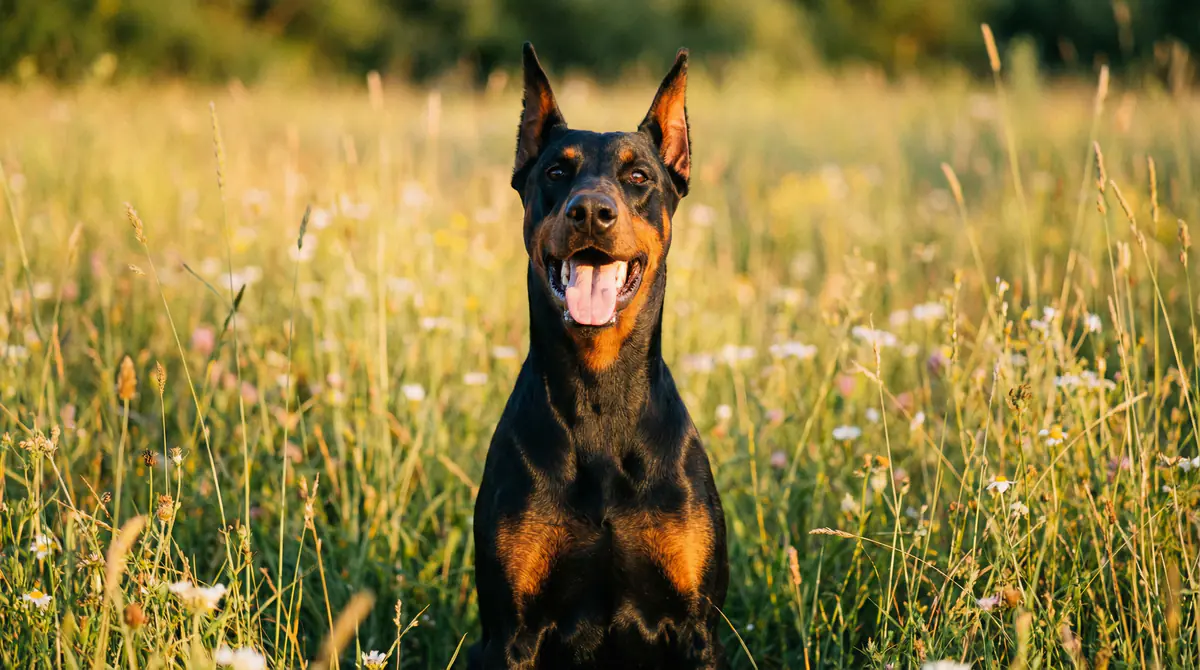
Dobes often look lean during growth; compare muscle, ribs, and vet exam to the chart.
Lines vary in size and drive; trends beat one weigh in.
If weight climbs while exercise drops, adjust food with vet help.
Deep chested dogs should discuss bloat awareness with their vet as lifelong habits form.
Heat sensitivity varies; black coats warm fast.
Sudden weakness or collapse during exercise is always urgent.
Puppyhood is not one stage. It is a stack of different problems and wins. Use this like a timeline, not a rigid rulebook.
Routine, gentle handling, safe socialization.
Before adolescence intensity.
Consistency beats drama.
Strength arrives with patience.
We picked these products to help you take better care of your dog day to day—from sleep to safer walks, easier feeding, and a sensible setup at home. Each slot is narrowed to highly rated picks that match your dog’s size and stage.
Feeding, exercise, training, home setup, and prevention. Each block is written for people who just checked their puppy's weight curve.
Large breed puppy diet if your vet recommends it.
Measured meals; slow switches between foods.
Treats in training stay small; Dobes learn fast.
Free play, swimming, varied walking beat forced pavement miles for puppies.
End before overtired crankiness.
Heat plan: morning/evening in warm months.
Reward quiet; do not accidentally reinforce alarm barking with yelling.
Clear rules and consistency; Dobes read tension.
Socialization is distance and pairing, not flooding.
Predictable routines reduce anxiety.
Secure fencing; adolescent testing happens.
Wellness schedule per your vet; discuss breed relevant screening timelines professionally.
Weight logs help visits.
Dental tolerance training early.
If you are unsure, call your veterinarian, especially with puppies. This list is not complete and does not cover every situation. It is a general reminder of signs many clinics want to hear about.
General educational information only. It is not medical advice and does not replace an exam or treatment plan from a licensed veterinarian. Estimates and tips cannot diagnose illness or emergencies; contact your vet with any health concerns.
Loyal, fearless, and alert
Working
Large
10-12 years
18 months
Doberman, Dobie, European Doberman, American Doberman, Euro Doberman
60-100 lbs
26-28" tall
60-100 lbs
24-26" tall
Louis Dobermann, a German tax collector, sought a loyal protection dog in the late 1800s. He blended local pinscher, rottweiler, shepherd, and other working types into a sharp, trainable guardian.
The breed became a military and police staple, then a precision sport dog, then a deeply bonded family dog in the right hands.
Modern Dobermans are people oriented and energetic. Their history explains protectiveness and reactivity if undersocialized; it also explains why fair training and early positive exposure matter so much.
The calculator uses your puppy's current age and weight to estimate adult size. Because puppies grow fastest early on and then slow down as they mature, the estimate adjusts for the stage of growth your Doberman Pinscher is in.
Doberman Pinschers are usually close to full size by around 18 months. As your puppy gets older and more of its growth is already complete, the estimate usually becomes more reliable.
Most adult Doberman Pinschers fall within a typical weight range of 60-100 lbs. You can use the calculator for younger puppies, but estimates are usually more accurate after about 12 weeks.
Straight answers on size, growth, feeding, and how to use this calculator alongside your veterinarian.
Adult Dobermans are large dogs, often quoted around 60–100 lb, with males frequently taller and heavier than females (your breed profile lists roughly 26–28" males and 24–26" females). Lines vary in size and drive. Use the calculator to compare your puppy to its own past weights and photos—not to strangers on social media.
Many are still filling out through the second year and beyond; strength and maturity arrive with patience. Dobes often look lean during growth—compare muscle, ribs, and energy to the chart. If weight climbs while exercise drops, trim treats and re-measure meals before you assume they need more food. Teen regression in training is normal; raise reward rate and lower difficulty.
Large, athletic puppies often do well with daily food split into several measured meals instead of one huge bowl. Many households keep the window right after a big meal lower-key than sprint-and-wrestle play—think sniff games, chews, or training on the mat. Log meal times with your weights so you can spot whether late snacks are bending the curve.
Think free play, swimming when safe, and varied walking—not forced jogging programs on pavement while they are young. Heat hits black coats fast; plan water, shade, and cooler times of day. Stop if your pup looks wiped or sore the next day; stack easy sniff days before you repeat a hard outing.
Log weights every few weeks and take monthly standing photos. Pair the chart with a large-breed puppy food and portions matched to your trend, not to begging volume. Fair training and early positive socialization matter as much as the number on the scale for a confident adult.
Share PetCareCalc with other pet parents or save the link to come back later.
Also try: Dog age calculator (dog years and human years) · Dog breed quiz
Add our free embeddable calculator to your site.
Still scrolling?
Five quick taps, an instant match, and a shareable link for the group chat. Free, no signup.
StartPredicting the growth of your Doberman Pinscher