Personalized chart
Enter age and weight to see your dog's unique trajectory.
How big will my Czechoslovakian Vlcak get? Predict adult weight and track your puppy's development.
We picked these products to help you take better care of your dog day to day—from sleep to safer walks, easier feeding, and a sensible setup at home. Each slot is narrowed to highly rated picks that match your dog’s size and stage.
Roomy crates
Comfy beds
Walk-ready harnesses
Slow feeders
Czechoslovakian Vlcak puppies are wolfdog-line herders: intense, athletic, and quick to learn bad habits if understimulated. Your growth chart pairs with serious containment, patient leadership, and training suited to an advanced handler.
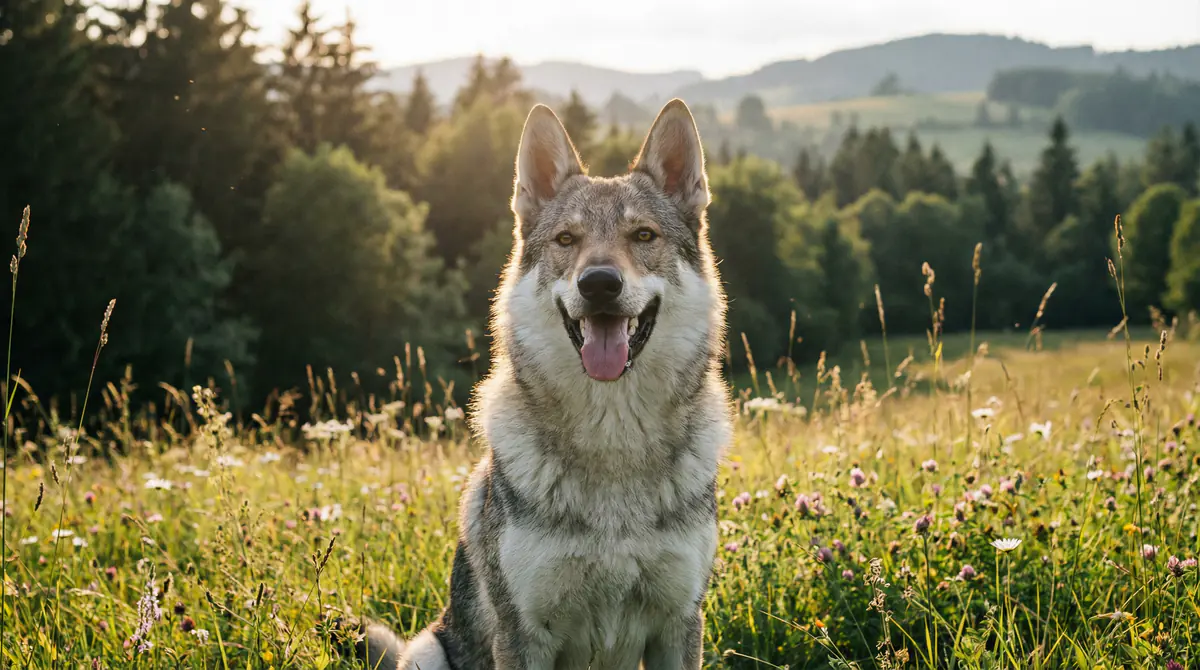
Vlcaks are large, leggy athletes; muscle and coat season shift the scale while your veterinarian confirms condition. Treat the chart as a trend, not a single data point versus strangers’ dogs online.
Dense coat can hide early fat gain; hands-on rib checks and standing photos monthly keep honesty.
When growth slows, treat drift climbs fast if mental work drops—smart dogs train you into “just one more” cookies.
High arousal becomes leash disasters fast; teach calm mechanics, reset distance, and reward checks-in before strength peaks.
They learn incredibly quickly—for better and worse; sloppy habits install as fast as good ones.
Teen regression still happens; shorten criteria, pay generously for basics, and involve qualified trainers early if frustration spikes.
Puppyhood is not one stage. It is a stack of different problems and wins. Use this like a timeline, not a rigid rulebook.
Routine, handling, calm exposure.
Leash skills before strength wins.
Mental work is non-optional.
Partnership steadies.
We picked these products to help you take better care of your dog day to day—from sleep to safer walks, easier feeding, and a sensible setup at home. Each slot is narrowed to highly rated picks that match your dog’s size and stage.
Feeding, exercise, training, home setup, and prevention. Each block is written for people who just checked their puppy's weight curve.
Your veterinarian may recommend large-breed puppy feeding to align calories and minerals with steady growth.
Measured meals keep training reinforcement honest—you are not buying cooperation with hidden second dinners.
Transition foods over ~7 days unless your vet directs otherwise.
Brisk walks, play, sniffing, and thinking work beat mindless mileage; bored Vlcaks invent exits and arguments.
End before overtired mouthiness or repetitive jumping on slick floors.
Heat planning—coat plus drive stacks risk quickly.
Clarity beats nagging; one criterion at a time with high pay rates.
Socialization is pairing and distance; sub-threshold wins beat flooding.
Teach mat settle and crate chill so the house has brakes between adventures.
Secure fencing, latches, and containment; boredom meets engineering fast.
Rotate enrichment—scent work, chews, puzzles—so independence does not route to escape.
Hips, elbows, eyes, and degenerative myelopathy education appear in related lines; your vet personalizes screening and watch items.
Dental tolerance training while young pays off for life.
Parasite control should match your region and outdoor lifestyle.
If you are unsure, call your veterinarian, especially with puppies. This list is not complete and does not cover every situation. It is a general reminder of signs many clinics want to hear about.
General educational information only. It is not medical advice and does not replace an exam or treatment plan from a licensed veterinarian. Estimates and tips cannot diagnose illness or emergencies; contact your vet with any health concerns.
Fearless, active, and loyal
Herding
Large
12-15 years
17 months
44-57 lbs
25.5" tall
44-57 lbs
23.5" tall
The Československý Vlčák was created in Czechoslovakia by crossing working German Shepherds with Carpathian wolves to produce a versatile military and patrol dog with extreme endurance.
They are not a beginner novelty; exercise, socialization, and boundaries are non-negotiable.
Housing, transport, and legal labels for wolf-hybrid appearance vary; know your local rules.
The calculator uses your puppy's current age and weight to estimate adult size. Because puppies grow fastest early on and then slow down as they mature, the estimate adjusts for the stage of growth your Czechoslovakian Vlcak is in.
Czechoslovakian Vlcaks are usually close to full size by around 17 months. As your puppy gets older and more of its growth is already complete, the estimate usually becomes more reliable.
Most adult Czechoslovakian Vlcaks fall within a typical weight range of 44-57 lbs. You can use the calculator for younger puppies, but estimates are usually more accurate after about 12 weeks.
Share PetCareCalc with other pet parents or save the link to come back later.
Also try: Dog age calculator (dog years and human years) · Dog breed quiz
Add our free embeddable calculator to your site.
Still scrolling?
Five quick taps, an instant match, and a shareable link for the group chat. Free, no signup.
StartPredicting the growth of your Czechoslovakian Vlcak