Personalized chart
Enter age and weight to see your dog's unique trajectory.
How big will my Cane Corso get? Predict adult weight and track your puppy's development.
We picked these products to help you take better care of your dog day to day—from sleep to safer walks, easier feeding, and a sensible setup at home. Each slot is narrowed to highly rated picks that match your dog’s size and stage.
Roomy crates
Comfy beds
Walk-ready harnesses
Slow feeders
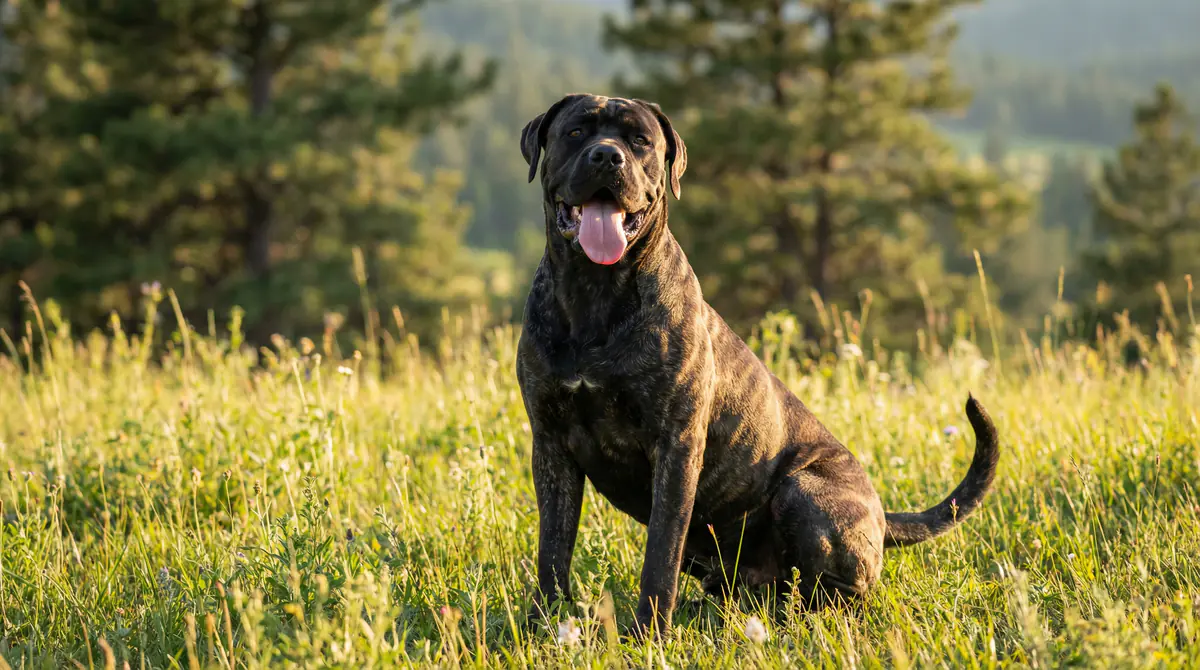
Cane Corso puppies are molosser athletes: guardian nerve plus muscle that arrives fast. Your estimate pairs with lean growth, early socialization, and training that rewards calm confidence.
Growth should be steady; your vet helps read curves.
Lean protects joints on a heavy frame.
Lines vary in size and drive; trends beat snapshots.
Deep chest bloat awareness with your vet.
Heat: black dogs warm fast.
Sudden weakness during exercise is urgent.
Puppyhood is not one stage. It is a stack of different problems and wins. Use this like a timeline, not a rigid rulebook.
Routine, gentle handling, safe socialization.
Skills before adolescence.
Size plus test.
Strength slowly.
We picked these products to help you take better care of your dog day to day—from sleep to safer walks, easier feeding, and a sensible setup at home. Each slot is narrowed to highly rated picks that match your dog’s size and stage.
Feeding, exercise, training, home setup, and prevention. Each block is written for people who just checked their puppy's weight curve.
Large breed puppy diet if vet recommends.
Measured meals; slow switches.
Treats small in training.
Varied walking, tug rules, swimming when safe.
Avoid forced pavement miles young.
End before overtired crankiness.
Reward quiet; yelling can amp arousal.
Clear consistent rules.
Socialization is distance and pairing.
Secure fencing.
Predictable routines reduce anxiety.
Wellness per vet.
Screening topics from breeder.
Dental tolerance early.
If you are unsure, call your veterinarian, especially with puppies. This list is not complete and does not cover every situation. It is a general reminder of signs many clinics want to hear about.
General educational information only. It is not medical advice and does not replace an exam or treatment plan from a licensed veterinarian. Estimates and tips cannot diagnose illness or emergencies; contact your vet with any health concerns.
Affectionate, intelligent, and majestic
Working
Large
9-12 years
18 months
Italian Mastiff
90-120 lbs
25-27.5" tall
90-120 lbs
23.5-26" tall
The Cane Corso descends from ancient Roman mastiff types used for war, farming, and property guardianship across Italy. The name hints at a robust “bodyguard dog” lineage.
Near extinction after the world wars, dedicated Italian fanciers revived the breed from remaining rural dogs.
Modern Corsi are family guardians and working dogs. That history explains protectiveness and size; fair training and management explain whether that gifts a community or stresses one.
The calculator uses your puppy's current age and weight to estimate adult size. Because puppies grow fastest early on and then slow down as they mature, the estimate adjusts for the stage of growth your Cane Corso is in.
Cane Corsos are usually close to full size by around 18 months. As your puppy gets older and more of its growth is already complete, the estimate usually becomes more reliable.
Most adult Cane Corsos fall within a typical weight range of 90-120 lbs. You can use the calculator for younger puppies, but estimates are usually more accurate after about 12 weeks.
Straight answers on size, growth, feeding, and how to use this calculator alongside your veterinarian.
Cane Corsos are large mastiff-type dogs—adults are often quoted around 90–120 lb, with males frequently taller than females (your breed profile lists roughly 25–27.5" males and 23.5–26" females). Lines vary in size and drive; trends on your own puppy beat comparing to unrelated dogs online.
Heavy muscle and frame often develop through the second year and beyond. Growth should look steady, not spiky—your dated log interprets the curve better than memory. Lean adults usually carry big frames more comfortably. If hard play days leave your pup stiff, schedule easy sniff walks before the next big session.
Big, athletic puppies often do well with daily food split into several measured bowls instead of one feast. Many households keep the first minutes after a large meal calmer than sprint-and-tug games—think sniffing, chews, or mat training. Log meal times with weights so weekend BBQ handouts do not bend the curve invisibly.
Think varied walking, controlled play, tug with rules, and swimming when safe—not forced mileage on pavement while they are young. Black coats absorb heat; plan water and cooler walk times. If a session leaves your pup flattened for hours, scale back intensity next time and favor morning outings.
Weigh every few weeks, photograph standing monthly, and track food by weight. Early positive socialization and fair training matter as much as the number on the scale for a guardian breed. Reward calm, teach polite greetings before adolescence adds real strength, and involve a qualified trainer early if suspicion or growling appears.
Share PetCareCalc with other pet parents or save the link to come back later.
Also try: Dog age calculator (dog years and human years) · Dog breed quiz
Add our free embeddable calculator to your site.
Still scrolling?
Five quick taps, an instant match, and a shareable link for the group chat. Free, no signup.
StartPredicting the growth of your Cane Corso