Personalized chart
Enter age and weight to see your dog's unique trajectory.
How big will my Bernese Mountain Dog get? Predict adult weight and track your puppy's development.
We picked these products to help you take better care of your dog day to day—from sleep to safer walks, easier feeding, and a sensible setup at home. Each slot is narrowed to highly rated picks that match your dog’s size and stage.
Roomy crates
Comfy beds
Walk-ready harnesses
Slow feeders
Bernese puppies are gentle giants from Alpine farms. Your chart is most useful with slow growth goals, joint care, and the honest vet partnership every large breed family deserves.
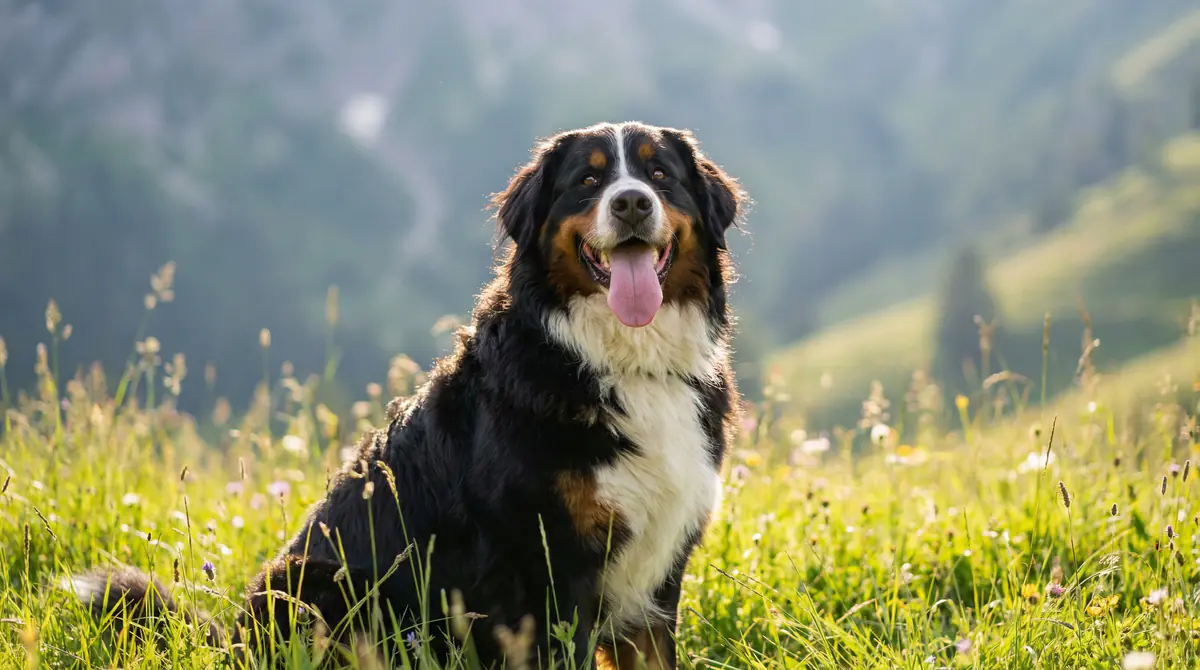
Berners should grow steadily, not race; your vet helps interpret curves.
Coat fluff hides weight; palpate and photograph.
If limping appears, do not “wait and see” through a weekend.
Hind end weakness, bunny hopping, or reluctance to climb needs vet attention.
Heat: heavy coat and size trap warmth; plan walks.
Lean is kind to joints.
Puppyhood is not one stage. It is a stack of different problems and wins. Use this like a timeline, not a rigid rulebook.
Routine, potty, handling, calm exposure.
Skills before strength gets real.
Joint care under real weight.
Many large dogs mature slowly.
We picked these products to help you take better care of your dog day to day—from sleep to safer walks, easier feeding, and a sensible setup at home. Each slot is narrowed to highly rated picks that match your dog’s size and stage.
Feeding, exercise, training, home setup, and prevention. Each block is written for people who just checked their puppy's weight curve.
Large breed puppy diet if your vet recommends it.
Measured meals; slow transitions.
Treats are planned.
Free play on varied soft terrain beats leash dragging miles.
Cold tolerance is better than heat; summer needs planning.
End before overtired sharks.
Polite greetings matter before they weigh 100 lb.
Socialization includes novelty at comfortable distances.
Reward calm; excitement becomes default fast.
Bedding that supports growing joints.
Rugs for traction on slick floors.
Wellness schedule per your vet; large puppies benefit from proactive visits.
Discuss screening topics your breeder raised; your vet personalizes timing.
Dental tolerance training early.
If you are unsure, call your veterinarian, especially with puppies. This list is not complete and does not cover every situation. It is a general reminder of signs many clinics want to hear about.
General educational information only. It is not medical advice and does not replace an exam or treatment plan from a licensed veterinarian. Estimates and tips cannot diagnose illness or emergencies; contact your vet with any health concerns.
Good-natured, calm, and strong
Working
Large
7-10 years
24 months
Berner
70-115 lbs
25-27.5" tall
70-115 lbs
23-26" tall
Berners come from the canton of Bern in Switzerland, where they pulled carts, drove dairy cattle, and guarded farmyards in cold mountain valleys.
Their tri color pattern and sturdy build reflect utilitarian breeding for real work, not runway speed.
Today they are beloved family dogs with a famously sweet temperament. That farm heritage explains draft strength and cold tolerance; responsible modern breeding and vet care address health topics owners should discuss openly with professionals.
The calculator uses your puppy's current age and weight to estimate adult size. Because puppies grow fastest early on and then slow down as they mature, the estimate adjusts for the stage of growth your Bernese Mountain Dog is in.
Bernese Mountain Dogs are usually close to full size by around 24 months. As your puppy gets older and more of its growth is already complete, the estimate usually becomes more reliable.
Most adult Bernese Mountain Dogs fall within a typical weight range of 70-115 lbs. You can use the calculator for younger puppies, but estimates are usually more accurate after about 12 weeks.
Straight answers on size, growth, feeding, and how to use this calculator alongside your veterinarian.
Berners are large working dogs—adults are often quoted around 70–115 lb, with males frequently taller and heavier than females (your breed profile lists roughly 25–27.5" males and 23–26" females). Growth should be steady, not rushed; never push extra calories to “maximize” size.
Large breeds mature slowly—your breed data uses a long growth window, and many Berners are still filling out toward roughly two to three years. Coat fluff hides weight; palpate ribs and take standing photos monthly. If your pup looks sore or uneven after hard play, trade the next few days for easy walks before you stack big outings again.
Pick a large-breed puppy food and follow the label for your pup’s current weight; growth curves are easier to read when meals are measured and treats are planned. Splitting daily food into several meals and keeping the first minutes after eating calmer than sprint play is a common household rhythm. Skip random supplement stacks.
Favor free play on varied soft ground and calm water play as confidence grows over forced running on pavement while young. They tolerate cold better than heat; summer walks need water, shade, and timing. Stop if your pup looks sore the next day; nail length affects gait on heavy pups.
Log weights every few weeks and keep the trend where you will actually look at it—large puppies change fast. Polite greetings matter before your pup weighs as much as a person; train mat, place, and calm rewards early. Ask your breeder what size and energy level they expect from your line so the chart has context.
Share PetCareCalc with other pet parents or save the link to come back later.
Also try: Dog age calculator (dog years and human years) · Dog breed quiz
Add our free embeddable calculator to your site.
Still scrolling?
Five quick taps, an instant match, and a shareable link for the group chat. Free, no signup.
StartPredicting the growth of your Bernese Mountain Dog