Personalized chart
Enter age and weight to see your dog's unique trajectory.
How big will my Alaskan Malamute get? Predict adult weight and track your puppy's development.
We picked these products to help you take better care of your dog day to day—from sleep to safer walks, easier feeding, and a sensible setup at home. Each slot is narrowed to highly rated picks that match your dog’s size and stage.
Roomy crates
Comfy beds
Walk-ready harnesses
Slow feeders
Malamute puppies are freight-dog strength in a fluffy suit. Your growth chart belongs with cool-weather exercise planning, secure containment, and joint-smart conditioning while they grow fast.
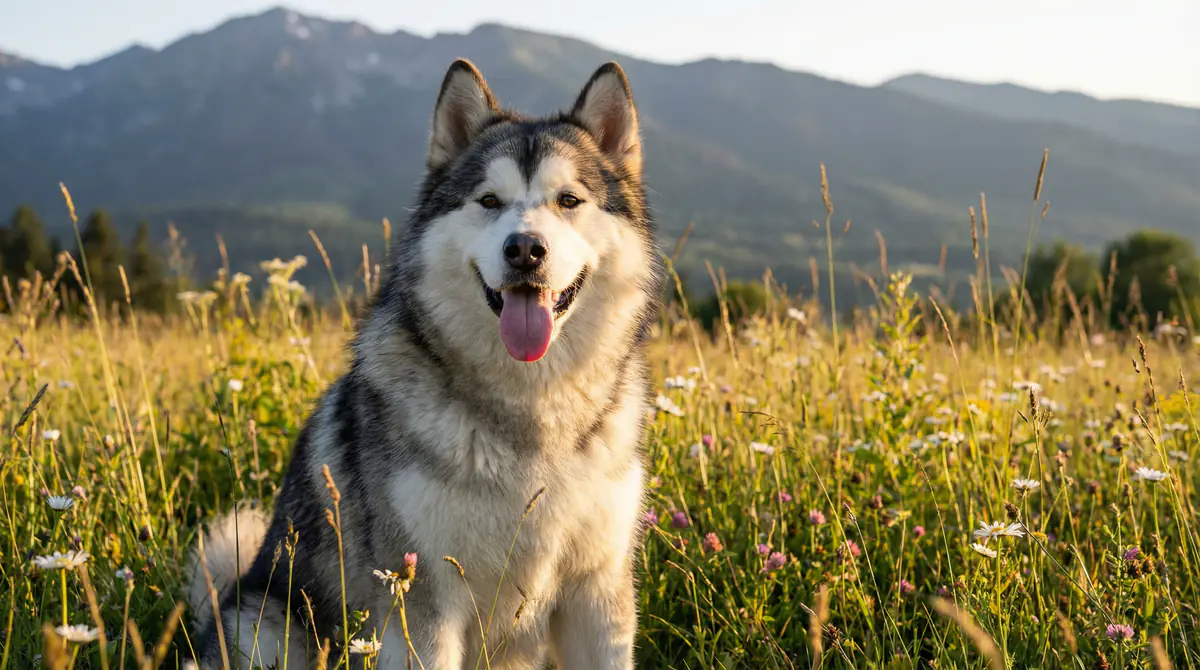
Malamutes shoot up before they look “filled out”; lean teen phases can be normal if your vet likes condition.
Lines vary in size; compare trends over weeks and parents when possible.
Extra weight loads growing joints fast; treat drift after growth slows is common.
Double coat lies; hands-on rib checks monthly.
Heat and humidity are serious; exercise timing matters.
Independent streak is breed history; training clarity still matters.
Puppyhood is not one stage. It is a stack of different problems and wins. Use this like a timeline, not a rigid rulebook.
Routine, handling, gentle exposure.
Leash skills before strength wins.
Joint care + real exercise outlets.
Strength without rushing.
We picked these products to help you take better care of your dog day to day—from sleep to safer walks, easier feeding, and a sensible setup at home. Each slot is narrowed to highly rated picks that match your dog’s size and stage.
Feeding, exercise, training, home setup, and prevention. Each block is written for people who just checked their puppy's weight curve.
Your vet recommends calories for steady growth, not maximum speed.
Split meals; discuss exercise timing around meals if gulping is an issue.
Treats are food; working drive makes overtraining with calories easy.
Free play, hiking when appropriate, and sniff work beat repetitive pounding.
Heat stroke risk is real; plan shade, water, and time of day.
End before collapse-level panting.
Motivate with cooperation; bribery and nagging both fail long term.
Socialization includes novelty at tolerable distances.
Teach calm greetings; jumping at eighty pounds is not cute.
Six-foot fence reality check; climbing happens.
Cool rest areas in warm months.
Hips, eyes, and polyneuropathy education exist in the breed; your vet personalizes screening.
Parasite control for your region.
Dental tolerance training.
If you are unsure, call your veterinarian, especially with puppies. This list is not complete and does not cover every situation. It is a general reminder of signs many clinics want to hear about.
General educational information only. It is not medical advice and does not replace an exam or treatment plan from a licensed veterinarian. Estimates and tips cannot diagnose illness or emergencies; contact your vet with any health concerns.
Affectionate, loyal, and playful
Working
Large
10-14 years
18 months
75-85 lbs
25" tall
75-85 lbs
23" tall
Malamutes were developed by the Mahlemut people of Alaska as powerful freight sled dogs built for endurance and pulling serious loads in brutal cold.
They are not sprint racers like some northern breeds; steady strength is the job.
Modern Malamutes are family dogs that still need real exercise, coat management, and honest expectations about prey drive and independence.
The calculator uses your puppy's current age and weight to estimate adult size. Because puppies grow fastest early on and then slow down as they mature, the estimate adjusts for the stage of growth your Alaskan Malamute is in.
Alaskan Malamutes are usually close to full size by around 18 months. As your puppy gets older and more of its growth is already complete, the estimate usually becomes more reliable.
Most adult Alaskan Malamutes fall within a typical weight range of 75-85 lbs. You can use the calculator for younger puppies, but estimates are usually more accurate after about 12 weeks.
Share PetCareCalc with other pet parents or save the link to come back later.
Also try: Dog age calculator (dog years and human years) · Dog breed quiz
Add our free embeddable calculator to your site.
Still scrolling?
Five quick taps, an instant match, and a shareable link for the group chat. Free, no signup.
StartPredicting the growth of your Alaskan Malamute