Graphique personnalisé
Indiquez âge et poids pour voir la courbe de votre chien.
Jusqu’où ira mon Sloughi ? Poids adulte estimé et suivi de croissance.
Nous associons quelques grandes familles utiles au quotidien (sommeil, marche, repas…) avec les réglages de gabarit et de croissance : des idées souvent très bien notées, cohérentes avec vos paramètres actuels.
Grandes cages
Couchages douillets
Harnais prêts sortie
Gamelle interactive
Sloughi puppies are North African sighthounds: cool, leggy, and quietly devoted. Your growth chart belongs with soft-surface exercise, secure containment, and training that respects reserve while still building real-world skills.
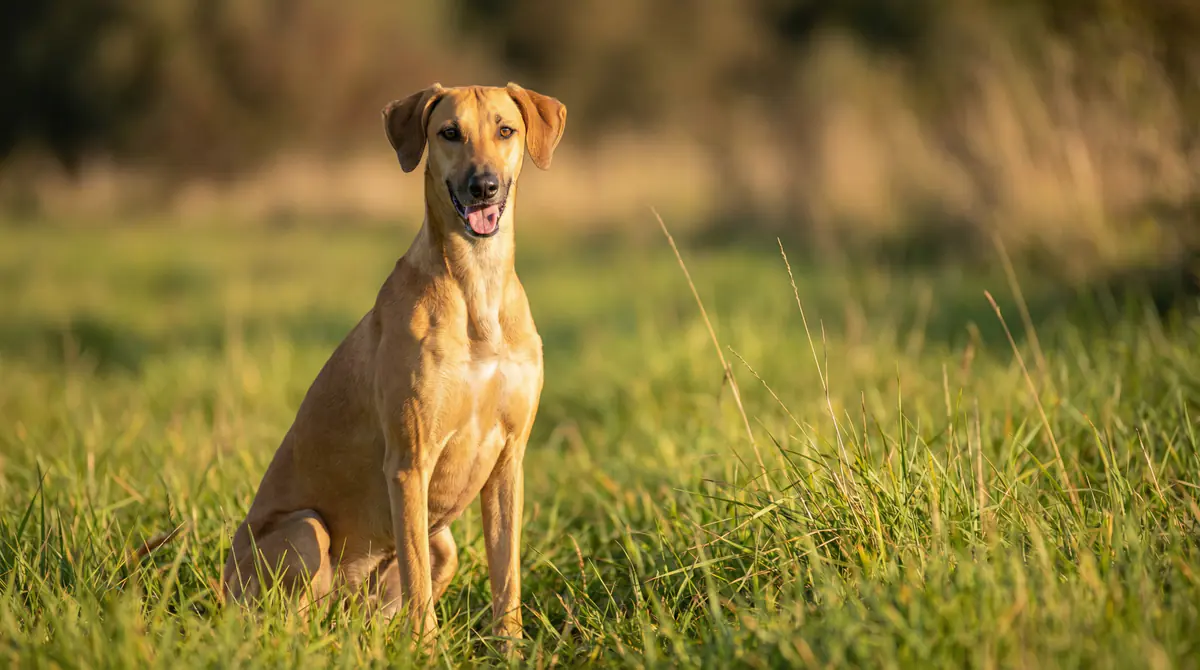
Sloughis grow tall and often look lean; your veterinarian confirms healthy condition versus underfed—compare trends over weeks, not café comments.
Short coat shows weight honestly; still run hands along ribs monthly so drift does not sneak in behind “always hungry” eyes.
When vertical growth eases, treat drift climbs if sprint outlets shrink but bowl size stays generous.
Short coat shows condition; weekly hands-on rib checks beat guessing from across the room.
Heat and cold both matter—shade, water, and shorter warm-day outings; dry warmth and limits on ice when cold.
Sensitivity is common; patient, fair training builds trust; harsh handling erodes cooperation.
Un chiot, ce n’est pas qu’une phase : c’est une pile d’étapes différentes. Servez-vous de cela comme fil conducteur, pas comme loi absolue.
Routine, gentle handling, calm exposure.
Leash and recall foundations.
Channel speed safely.
Partnership deepens.
Nous associons quelques grandes familles utiles au quotidien (sommeil, marche, repas…) avec les réglages de gabarit et de croissance : des idées souvent très bien notées, cohérentes avec vos paramètres actuels.
Repas, sorties, éducation, maison, prévention — rédigé pour celles et ceux qui viennent de regarder la courbe de poids.
Your veterinarian sets calories for steady growth on a lean frame; fuel training without racing weight.
Measured meals make reinforcement honest.
Transition foods over ~7 days unless your vet directs otherwise.
Pair short bursts with sniff walks; soft grass beats slick tile sprints while young.
End before exhaustion panting or wobbly gait.
In heat, shorten outings and favor water and shade.
Gentle consistency builds trust; cooperation is trained with clarity, not volume.
Socialization includes novel surfaces and sounds at comfortable distances—sub-threshold wins beat flooding.
Teach mat settle so household life has an off-switch between outings.
Six-foot fence reality check; lean dogs accelerate fast when motivated.
Cozy warmth in cold weather; low body fat stacks chill risk for some individuals.
Cardiac and anesthesia sensitivity topics appear in sighthound education; your vet personalizes screening and protocols.
Dental tolerance training while young pays off for life.
Parasite control should match your region and travel.
En cas de doute, appelez surtout avec un chiot. Cette liste n’est ni exhaustive ni un guide d’urgence ; ce sont des rappels que beaucoup de cliniques veulent entendre tôt.
Information générale seulement : pas un avis médical ni un substitut à l’examen et au plan d’un vétérinaire diplômé. Les estimations et astuces ne diagnostiquent pas ; en cas de souci sanitaire, contactez votre clinique.
Noble, graceful, and reserved
Hound
Moyen
12-16 years
15 mois
35-50 lb
26-29 po de haut
35-50 lb
24-27 po de haut
The Sloughi was developed across North Africa as a coursing hound for hare, fox, and gazelle, prized for speed, heat tolerance relative to heavy sighthounds, and loyalty to family.
They are more reserved with strangers than some sighthounds; harsh handling erodes trust.
Modern Sloughis need sprint outlets and honest fences; off-leash near traffic is gambling.
Le simulateur s’appuie sur l’âge et le poids du moment pour estimer le gabarit adulte. Comme la croissance est très rapide au début puis ralentit, l’ajustement tient compte de l’étape où se trouve votre Sloughi.
Un Sloughi est en général proche de sa taille adulte vers 15 mois. Plus le chiot vieillit et plus une part de la croissance est déjà faite, plus l’estimation se stabilise.
La plupart des adultes Sloughi se situent habituellement entre 35 et 50 lb. Vous pouvez estimer très jeune, mais la fiabilité grimpe souvent après ~12 semaines.
Faites découvrir PetCareCalc à d’autres propriétaires ou gardez le lien pour plus tard.
À essayer aussi : Âge du chien (années chien et humaines) · Quiz des races
Ajoutez gratuitement notre simulateur à votre site.
Toujours en train de défiler ?
Quelques clics rapides, un résultat immédiat et un lien à envoyer dans le groupe — gratuit, sans compte.
C’est partiCroissance estimée pour votre Sloughi