Graphique personnalisé
Indiquez âge et poids pour voir la courbe de votre chien.
Jusqu’où ira mon Australian Shepherd ? Poids adulte estimé et suivi de croissance.
Nous associons quelques grandes familles utiles au quotidien (sommeil, marche, repas…) avec les réglages de gabarit et de croissance : des idées souvent très bien notées, cohérentes avec vos paramètres actuels.
Grandes cages
Couchages douillets
Harnais prêts sortie
Gamelle interactive
Aussie puppies are smart, quick, and sometimes spooky. Pair your weight projection with joint care, mental exercise, and socialization that builds confidence without flooding.
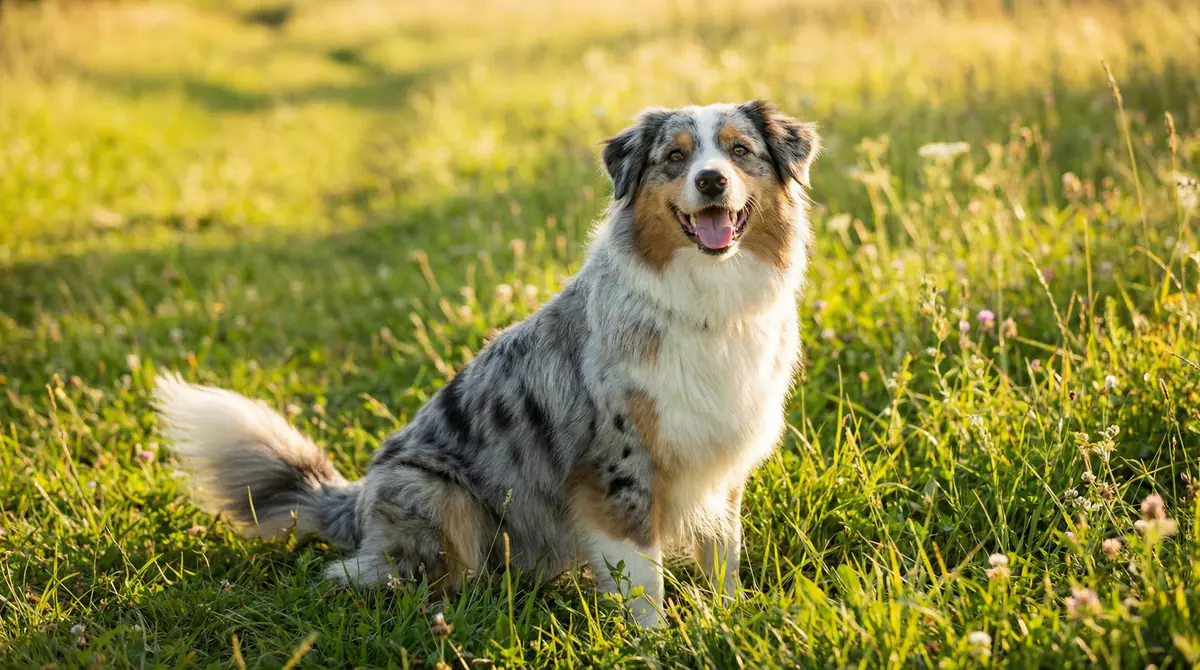
Aussies vary by line: some lean and intense, some stockier; compare your pup to parents and littermates when you can.
Growth can look uneven week to week; trend lines beat panic points.
If weight spikes while activity drops, revisit meals and treats with your vet.
Herding dogs notice everything; fear periods are normal, pain plus fear should be checked.
Watch nails and gait; busy dogs wear unevenly.
Heat and exercise collapse risks deserve a vet chat if your line discusses them.
Un chiot, ce n’est pas qu’une phase : c’est une pile d’étapes différentes. Servez-vous de cela comme fil conducteur, pas comme loi absolue.
Routine, sleep, potty, gentle novelty.
Impulse control before adolescence.
Brain games beat brute mileage.
Channel drive into sports or hobbies.
Nous associons quelques grandes familles utiles au quotidien (sommeil, marche, repas…) avec les réglages de gabarit et de croissance : des idées souvent très bien notées, cohérentes avec vos paramètres actuels.
Repas, sorties, éducation, maison, prévention — rédigé pour celles et ceux qui viennent de regarder la courbe de poids.
Quality diet for growth; your vet picks the category.
Split meals; measure by scale when possible.
Treats are calories; budget training days.
Off leash only in safe fenced spaces until recall is proven.
Swimming and hiking are great when age appropriate and safe.
A tired brain often matters more than a tired body.
Teach an off switch: mat, crate chill, calm praise.
If your pup herds kids or bikes, redirect to legal outlets and add distance.
Punishment for alert barking often increases arousal; train alternatives.
Rotate calm periods; overstimulated Aussies spin.
Management: gates, crates, leashes.
Parasite and vaccine schedule per your vet.
Discuss inherited conditions your breeder screened; your vet personalizes monitoring.
Dental tolerance training early.
En cas de doute, appelez surtout avec un chiot. Cette liste n’est ni exhaustive ni un guide d’urgence ; ce sont des rappels que beaucoup de cliniques veulent entendre tôt.
Information générale seulement : pas un avis médical ni un substitut à l’examen et au plan d’un vétérinaire diplômé. Les estimations et astuces ne diagnostiquent pas ; en cas de souci sanitaire, contactez votre clinique.
Smart, work-oriented, and exuberant
Herding
Moyen
12-15 years
15 mois
Aussie
40-65 lb
20-23 po de haut
40-65 lb
18-21 po de haut
Despite the name, the breed was refined in the United States from collie type herding dogs brought by Basque shepherds and other immigrants. Selective breeding emphasized agility, eye, and versatility on livestock.
Aussies became ranch favorites, then dog sport stars, then family dogs with a serious work ethic.
Merle genetics matter for responsible breeding; your puppy’s color is not just cosmetic. Ethical breeders plan pairings to avoid double merle outcomes. That history is why health conversations start early.
Le simulateur s’appuie sur l’âge et le poids du moment pour estimer le gabarit adulte. Comme la croissance est très rapide au début puis ralentit, l’ajustement tient compte de l’étape où se trouve votre Australian Shepherd.
Un Australian Shepherd est en général proche de sa taille adulte vers 15 mois. Plus le chiot vieillit et plus une part de la croissance est déjà faite, plus l’estimation se stabilise.
La plupart des adultes Australian Shepherd se situent habituellement entre 40 et 65 lb. Vous pouvez estimer très jeune, mais la fiabilité grimpe souvent après ~12 semaines.
Réponses directes sur la taille, la croissance, l’alimentation et comment utiliser ce simulateur avec votre véto.
Adult Aussies are often quoted around 40–65 lb, with males usually larger than females and a lot of variation by line—some dogs run lean and intense, others stockier. Compare your puppy to parent sizes and littermates when you can, and use the calculator to watch direction over weeks, not one snapshot.
Many approach much of their frame by roughly 12–15 months, but muscle and coat can keep changing after that. Growth can look uneven week to week; trend lines beat panic points. If weight spikes while activity drops, revisit meals and treats—neuter timing can shift appetite and calories too.
Australian Shepherds were bred for herding and problem-solving beside people. A tired brain often prevents more trouble than legs-only exhaustion: scent games, short training sessions, food puzzles, and polite manners all count. Without outlets, smart adolescents find their own hobbies—usually ones you will not enjoy.
Avoid repetitive high jumps on hard surfaces while young; if your dog looks sore after agility-style play, trade the next session for flatwork and tricks. Measure food—training happens constantly with food-smart breeds—and end play before overtired biting escalates. Nail length matters for busy dogs; long nails change how they move.
Log weights every few weeks and take monthly standing photos; fluff hides condition. Socialize at distances that keep curiosity, not panic—fear periods are normal, and patience beats flooding. If you are choosing a puppy, ask your breeder how they match structure and temperament to sport or pet homes; the calculator only models weight, not lifestyle fit.
Faites découvrir PetCareCalc à d’autres propriétaires ou gardez le lien pour plus tard.
À essayer aussi : Âge du chien (années chien et humaines) · Quiz des races
Ajoutez gratuitement notre simulateur à votre site.
Toujours en train de défiler ?
Quelques clics rapides, un résultat immédiat et un lien à envoyer dans le groupe — gratuit, sans compte.
C’est partiCroissance estimée pour votre Australian Shepherd