Graphique personnalisé
Indiquez âge et poids pour voir la courbe de votre chien.
Jusqu’où ira mon Yorkshire Terrier ? Poids adulte estimé et suivi de croissance.
Nous associons quelques grandes familles utiles au quotidien (sommeil, marche, repas…) avec les réglages de gabarit et de croissance : des idées souvent très bien notées, cohérentes avec vos paramètres actuels.
Grandes cages
Couchages douillets
Harnais prêts sortie
Gamelle interactive
Tiny dogs need calorie rhythm and confidence building. Your projection should sit next to meal timing, hypoglycemia awareness, and socialization that respects their size.
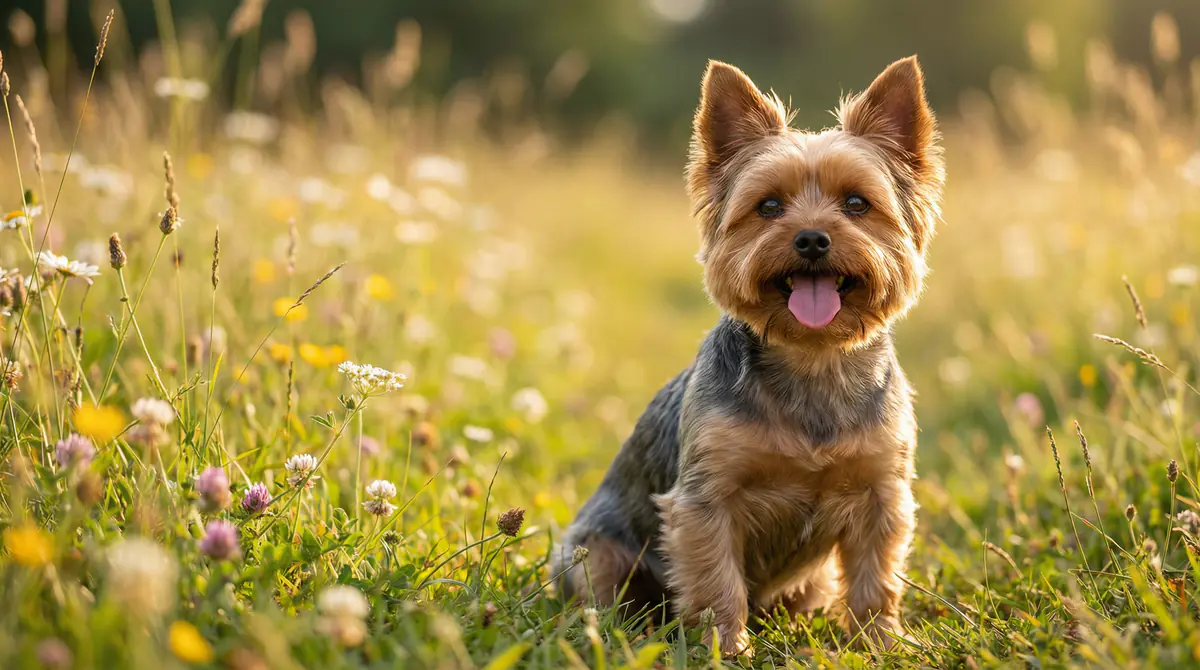
A few ounces matter on a 5 lb frame; your chart is useful, but weekly weigh ins on a sensitive scale tell the real story.
Toy puppies can crash blood sugar if meals are skipped or play goes too hard on an empty stomach, ask your vet for a schedule tailored to age.
If weight stalls or drops while energy drops, contact your veterinarian promptly.
Ideal shape varies; rely on your veterinarian to assess whether your pup is over or underweight.
Haircoat can hide weight; palpate regularly.
Bad breath or red gums are worth mentioning to your veterinarian; they can advise on dental care timing.
Un chiot, ce n’est pas qu’une phase : c’est une pile d’étapes différentes. Servez-vous de cela comme fil conducteur, pas comme loi absolue.
Meals, sleep, potty, gentle world exposure.
Big dog training in a small package.
Consistency beats drama.
Habits set now last years.
Nous associons quelques grandes familles utiles au quotidien (sommeil, marche, repas…) avec les réglages de gabarit et de croissance : des idées souvent très bien notées, cohérentes avec vos paramètres actuels.
Repas, sorties, éducation, maison, prévention — rédigé pour celles et ceux qui viennent de regarder la courbe de poids.
Small, frequent meals as vet directs.
High value training treats still need a calorie cap.
If your pup seems sleepy or wobbly between meals, treat it as urgent until your vet says otherwise; toy breeds need steady fuel.
Short play; sniff walks; avoid overheating and exhaustion.
Carry when overwhelmed in busy environments.
Heat and cold both hit fast; plan shorter outings and appropriate gear.
Same rules as big dogs: no biting, no demand barking rewarded.
Protect them from being scooped by strangers, teach a consent based hello.
Socialization is exposure at comfortable distances; a scared toy pup needs space, not forced petting.
Block stairs if needed; watch for falling hazards.
Assume recliners, rocking chairs, and laundry piles are risk zones for a dog the size of a slipper.
Dental disease risk is high, plan early.
Use parasite preventives appropriate for your dog’s size and species; your veterinarian can recommend products.
Bring weight notes to visits; trends matter more than a single number on a chart.
En cas de doute, appelez surtout avec un chiot. Cette liste n’est ni exhaustive ni un guide d’urgence ; ce sont des rappels que beaucoup de cliniques veulent entendre tôt.
Information générale seulement : pas un avis médical ni un substitut à l’examen et au plan d’un vétérinaire diplômé. Les estimations et astuces ne diagnostiquent pas ; en cas de souci sanitaire, contactez votre clinique.
Affectionate, sprightly, and tomboyish
Toy
Très petit
11-15 years
9 mois
Tiny stomachs require frequent, small meals to prevent hypoglycemia (low blood sugar).
Yorkie
4-7 lb
7-8 po de haut
4-7 lb
7-8 po de haut
Yorkies reach their adult size incredibly fast, often being fully grown by 8-10 months.
During the 1800s industrial boom in northern England, Scottish weavers and mill workers brought small rough-coated terriers into Yorkshire’s factories and mines. Those dogs earned keep killing rats in tight spaces where a big dog could not go.
Breeders selected for smaller size, silkier coat, and big personality until the Yorkie shifted from vermin control to fashionable lapdog for Victorian ladies. The blue and tan coat and confident strut became breed trademarks.
Yorkies crossed the Atlantic as portable status symbols and beloved companions. Their working-terrier ancestry still shows up in bravery that outsizes their grams on the scale, which is charming until they pick a fight with a moving bicycle.
Le simulateur s’appuie sur l’âge et le poids du moment pour estimer le gabarit adulte. Comme la croissance est très rapide au début puis ralentit, l’ajustement tient compte de l’étape où se trouve votre Yorkshire Terrier.
Un Yorkshire Terrier est en général proche de sa taille adulte vers 9 mois. Plus le chiot vieillit et plus une part de la croissance est déjà faite, plus l’estimation se stabilise.
La plupart des adultes Yorkshire Terrier se situent habituellement entre 4 et 7 lb. Vous pouvez estimer très jeune, mais la fiabilité grimpe souvent après ~12 semaines.
Réponses directes sur la taille, la croissance, l’alimentation et comment utiliser ce simulateur avec votre véto.
Adult Yorkies are tiny: many fall in roughly a 4–7 lb range, with individuals varying by genetics and build. A few ounces of change is a large percentage on that frame, so a sensitive scale and consistent weigh-in routine matter. The calculator helps track direction; your own trend line matters more than any single midpoint.
Toy dogs mature quickly compared with large breeds—many are largely done growing in height by about 8–10 months. That fast arc means meal structure and steady weight become important early. If the scale jumps or dips for several weeks, cross-check whether meal sizes, treats, or activity changed—tiny dogs show food mistakes on the graph quickly.
Yes—toy puppies often do best on small, frequent meals on a predictable clock rather than long gaps or free feeding. That rhythm keeps energy steady through training and play. Keep water available, use crumb-sized training treats, and avoid skipping breakfast on busy mornings if your pup is about to have a big outing.
A gram scale or precise small measure beats eyeballing; tiny errors are a big slice of daily calories. Budget training treats into the day’s total, and be cautious with rich human food—it hits small stomachs hard. After any diet change, watch stool and appetite for a few days before you tweak again.
Use the same scale, same time of day, and look at weeks-long trends—not hourly panic. Pair numbers with appetite, energy, and monthly photos; long coat can hide weight changes, so gentle palpation matters. If the estimate and the mirror disagree, trust several weigh-ins and rib feel before you overhaul the diet.
Faites découvrir PetCareCalc à d’autres propriétaires ou gardez le lien pour plus tard.
À essayer aussi : Âge du chien (années chien et humaines) · Quiz des races
Ajoutez gratuitement notre simulateur à votre site.
Toujours en train de défiler ?
Quelques clics rapides, un résultat immédiat et un lien à envoyer dans le groupe — gratuit, sans compte.
C’est partiCroissance estimée pour votre Yorkshire Terrier