Graphique personnalisé
Indiquez âge et poids pour voir la courbe de votre chien.
Jusqu’où ira mon Pomeranian ? Poids adulte estimé et suivi de croissance.
Nous associons quelques grandes familles utiles au quotidien (sommeil, marche, repas…) avec les réglages de gabarit et de croissance : des idées souvent très bien notées, cohérentes avec vos paramètres actuels.
Grandes cages
Couchages douillets
Harnais prêts sortie
Gamelle interactive
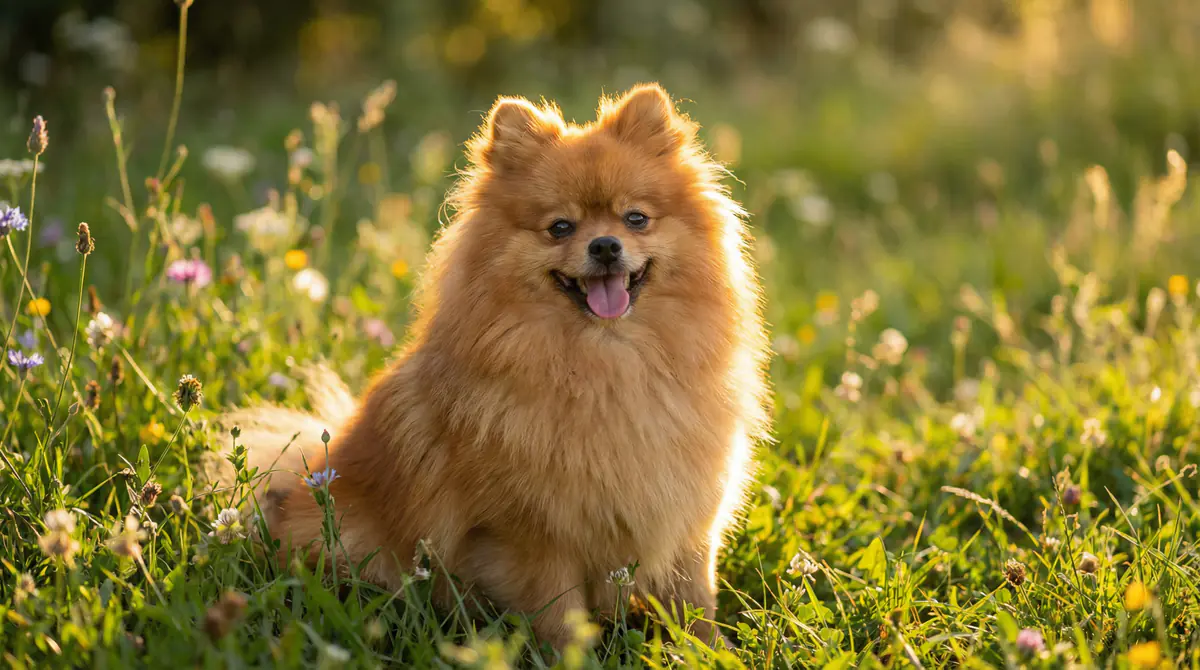
Pomeranian puppies are pocket sized with main character energy. Your growth estimate should sit next to hypoglycemia smarts on tiny pups, coat reality, and training that channels big voice without spoiling.
A few ounces move the needle on toy frames; weigh on a sensitive scale.
Coat blow changes how “big” they look; trust ribs and vet exam.
If weight drops with low energy, treat as urgent until your vet clears it.
Luxating patella and dental issues appear in small dogs; wellness visits matter.
Shivering, wobbliness, or glazed eyes in a toy puppy need prompt vet attention.
Coat can hide weight; palpate regularly.
Un chiot, ce n’est pas qu’une phase : c’est une pile d’étapes différentes. Servez-vous de cela comme fil conducteur, pas comme loi absolue.
Meals, sleep, potty, gentle exposure.
Skills before sass hardens.
Coat drama + attitude.
Stable habits, lifelong coat plan.
Nous associons quelques grandes familles utiles au quotidien (sommeil, marche, repas…) avec les réglages de gabarit et de croissance : des idées souvent très bien notées, cohérentes avec vos paramètres actuels.
Repas, sorties, éducation, maison, prévention — rédigé pour celles et ceux qui viennent de regarder la courbe de poids.
Small frequent meals as vet directs when young.
Measured kibble; gram scale helps.
Rich scraps are risky for tiny dogs; ask your vet.
Short walks and play; thick coat traps heat.
Mental puzzles count as work.
Carry when overwhelmed in crowds.
Same rules as large dogs: no biting, no demand barking rewarded.
Protect them from being scooped; teach consent based hellos.
Socialization at comfortable distances.
Pick up small objects; everything is edible.
Stairs may need management early.
Vaccines and parasites sized for your dog per vet.
Dental disease risk is high; plan early.
Knee checks if skipping or bunny hopping appears.
En cas de doute, appelez surtout avec un chiot. Cette liste n’est ni exhaustive ni un guide d’urgence ; ce sont des rappels que beaucoup de cliniques veulent entendre tôt.
Information générale seulement : pas un avis médical ni un substitut à l’examen et au plan d’un vétérinaire diplômé. Les estimations et astuces ne diagnostiquent pas ; en cas de souci sanitaire, contactez votre clinique.
Inquisitive, bold, and lively
Toy
Très petit
12-16 years
9 mois
Pom
3-7 lb
6-7 po de haut
3-7 lb
6-7 po de haut
Pomeranians descend from Arctic spitz sled dogs of the Pomerania region along the Baltic. They were bred down in size over centuries until they became portable companions for European nobility.
Queen Victoria’s enthusiasm helped popularize smaller specimens and cement the fluffy toy silhouette we know.
Today’s Pom is mostly companion and alert dog. That spitz heritage explains the coat, the bark, and the confidence; small size explains why meal timing and gentle handling matter.
Le simulateur s’appuie sur l’âge et le poids du moment pour estimer le gabarit adulte. Comme la croissance est très rapide au début puis ralentit, l’ajustement tient compte de l’étape où se trouve votre Pomeranian.
Un Pomeranian est en général proche de sa taille adulte vers 9 mois. Plus le chiot vieillit et plus une part de la croissance est déjà faite, plus l’estimation se stabilise.
La plupart des adultes Pomeranian se situent habituellement entre 3 et 7 lb. Vous pouvez estimer très jeune, mais la fiabilité grimpe souvent après ~12 semaines.
Réponses directes sur la taille, la croissance, l’alimentation et comment utiliser ce simulateur avec votre véto.
Adult Pomeranians are tiny—often quoted around 3–7 lb. A few ounces move the needle on that frame, so use a sensitive scale and consistent weigh-ins. Fluffy coat blows can change how large they look; trust rib feel and monthly photos alongside the calculator.
Toy dogs mature quickly: many are largely done growing by about 8–10 months. Meal timing still matters while they are young—frequent small meals on a predictable clock help avoid long empty gaps on busy days. If the scale dips for two or three weigh-ins in a row, check whether meals, treats, or activity changed before you chase the number with bigger portions.
Small puppies run through a day’s calories fast. A regular meal rhythm keeps training and play predictable for you and comfortable for them. If you know a morning will be hectic, pre-portion meals the night before and avoid stacking a huge play session before the first meal shows up.
They are spitz-style companions: confident, alert, and often vocal. Train quiet alternatives and reward calm so demand barking is not accidentally paid in treats. Use crumb-sized training rewards and log extras—easy to overfeed when every skill is taught with food.
Weigh on the same schedule and track trends; single-day wobbles are less informative than direction over weeks. Heat and cold both hit fast under a thick coat—short outings and mental puzzles count as real work. Supervise with large dogs and keep nails short; tiny feet change gait quickly when nails grow.
Faites découvrir PetCareCalc à d’autres propriétaires ou gardez le lien pour plus tard.
À essayer aussi : Âge du chien (années chien et humaines) · Quiz des races
Ajoutez gratuitement notre simulateur à votre site.
Toujours en train de défiler ?
Quelques clics rapides, un résultat immédiat et un lien à envoyer dans le groupe — gratuit, sans compte.
C’est partiCroissance estimée pour votre Pomeranian