Graphique personnalisé
Indiquez âge et poids pour voir la courbe de votre chien.
Jusqu’où ira mon Boxer ? Poids adulte estimé et suivi de croissance.
Nous associons quelques grandes familles utiles au quotidien (sommeil, marche, repas…) avec les réglages de gabarit et de croissance : des idées souvent très bien notées, cohérentes avec vos paramètres actuels.
Grandes cages
Couchages douillets
Harnais prêts sortie
Gamelle interactive
Boxer puppies are clown strength: big feelings, big play, and a face shape that needs heat and airway awareness. Your chart is most useful next to condition, joint care, and consistent training.
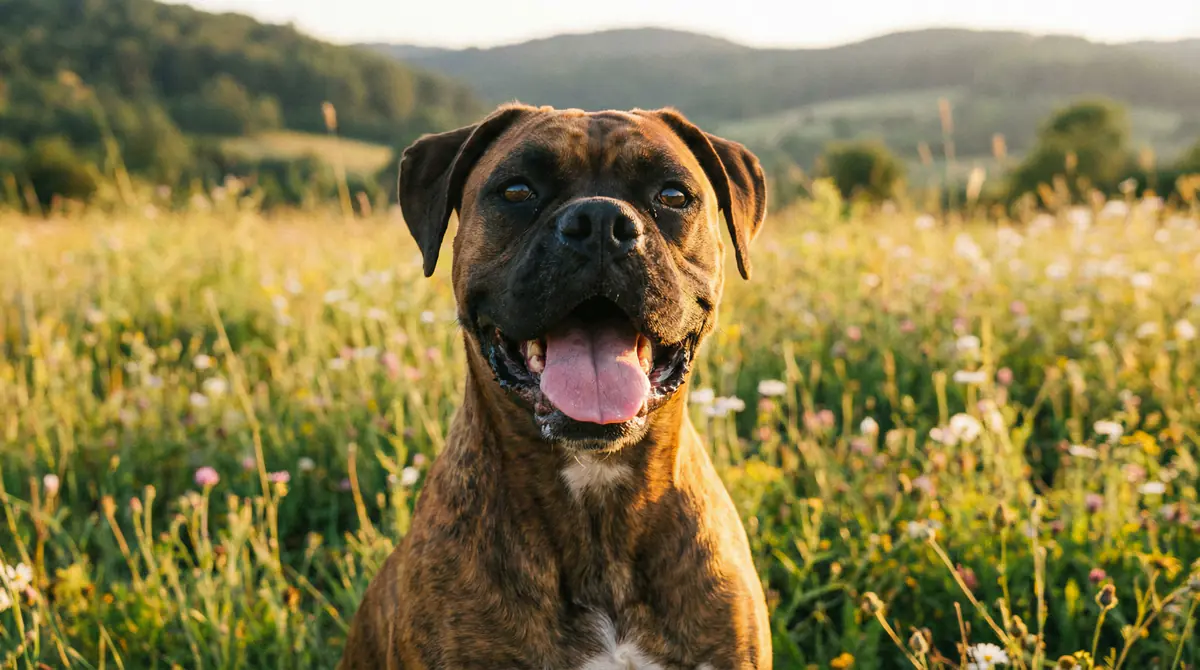
Boxers often shoot up, then fill out; a gangly teen phase can look light on paper while still healthy.
Weight can climb fast after growth slows if meals and treats stay “puppy generous.”
If ribs vanish but the scale looks fine, trust body condition and your vet’s hands.
Deep chested dogs deserve bloat awareness conversations with your vet as habits form.
Brachycephalic traits vary; noisy breathing deserves a baseline so you notice worse days.
Limping after zoomies is not “just a strain” until your vet agrees.
Un chiot, ce n’est pas qu’une phase : c’est une pile d’étapes différentes. Servez-vous de cela comme fil conducteur, pas comme loi absolue.
Routine, sleep, potty, and calm introductions.
Impulse control before adolescence.
Energy plus rules.
Strength and manners mature together.
Nous associons quelques grandes familles utiles au quotidien (sommeil, marche, repas…) avec les réglages de gabarit et de croissance : des idées souvent très bien notées, cohérentes avec vos paramètres actuels.
Repas, sorties, éducation, maison, prévention — rédigé pour celles et ceux qui viennent de regarder la courbe de poids.
Measured meals; your vet picks puppy versus adult timing and calorie targets.
Split feedings can reduce gulping; discuss bloat prevention habits with your vet.
Rich human food is a common pancreatitis trigger in dogs; keep table scraps minimal.
Play hard, then actually rest; brachy pups need recovery time.
Multiple shorter sessions often beat one broiling midday hike.
Swimming can be great when safe and vet approved.
Reward what you want; laughter should not replace criteria.
Socialization includes sounds, surfaces, and novelty at easy distances.
Harsh corrections often backfire; clarity and consistency win.
Cool rest spots in summer; airflow matters indoors too.
Kids need rules: no wrestling that amps biting.
Vaccines, parasite control, and dental planning per your vet.
Discuss heart and cancer awareness in the breed at appropriate wellness visits; your vet personalizes what to watch for.
Weight checks every visit; lean is kind to joints.
En cas de doute, appelez surtout avec un chiot. Cette liste n’est ni exhaustive ni un guide d’urgence ; ce sont des rappels que beaucoup de cliniques veulent entendre tôt.
Information générale seulement : pas un avis médical ni un substitut à l’examen et au plan d’un vétérinaire diplômé. Les estimations et astuces ne diagnostiquent pas ; en cas de souci sanitaire, contactez votre clinique.
Fun-loving, bright, and active
Working
Grand
10-12 years
18 mois
50-80 lb
23-25 po de haut
50-80 lb
21.5-23.5 po de haut
Boxers descend from German bullenbeisser types used on estates for hunting large game and later as butcher’s helpers and guardians. Early twentieth century breeders in Munich standardized the modern Boxer: square, short muzzled, and people oriented.
The breed served as messenger and military dog in wartime, then transitioned into one of the world’s favorite family guardians thanks to humor, loyalty, and trainability.
Today’s Boxer is primarily companion and sport dog. Their history as working guardians explains protectiveness and exuberance; their short face explains exercise limits in heat.
Le simulateur s’appuie sur l’âge et le poids du moment pour estimer le gabarit adulte. Comme la croissance est très rapide au début puis ralentit, l’ajustement tient compte de l’étape où se trouve votre Boxer.
Un Boxer est en général proche de sa taille adulte vers 18 mois. Plus le chiot vieillit et plus une part de la croissance est déjà faite, plus l’estimation se stabilise.
La plupart des adultes Boxer se situent habituellement entre 50 et 80 lb. Vous pouvez estimer très jeune, mais la fiabilité grimpe souvent après ~12 semaines.
Réponses directes sur la taille, la croissance, l’alimentation et comment utiliser ce simulateur avec votre véto.
Adult Boxers are commonly quoted around 50–80 lb, with individuals varying by sex, genetics, and build. They often shoot up in height first, then fill out—so a gangly teenager can look light on paper while still healthy. Trust trends, rib feel, and standing photos alongside any calculator output.
Many Boxers are approaching a lot of their frame by about 12–18 months, but muscle and “finish” can take longer. Weight can climb quickly after growth slows if portions and treats stay “puppy generous.” Monthly standing photos from above help you catch a fading waist before the scale jumps.
They are active dogs with a short muzzle, so they often hit their happy exercise limit sooner on hot days. Walk at cooler times in summer, use a well-fitted harness to reduce throat pressure, and keep water breaks generous. End outdoor play while your pup still has bounce—indoor training games finish the job without a heat slog.
Bouncy dogs with a deep ribcage often do well on measured food split into a few meals instead of one giant bowl. Many households keep the first few minutes after dinner calmer than backyard wrestling—think sniff games or a chew toy rather than instant sprint sessions. Log meal times next to your weights so you can see whether late-night snacks are skewing the curve.
Same scale, same time of day, and log every few weeks—Boxers are masters of the hopeful face at treat time, so honesty about training snacks matters. Pair numbers with condition; if ribs disappear but the estimate looks fine, trust your photos and palpation over the midpoint. Ramp running mileage gradually as your dog’s stride looks collected rather than gangly.
Faites découvrir PetCareCalc à d’autres propriétaires ou gardez le lien pour plus tard.
À essayer aussi : Âge du chien (années chien et humaines) · Quiz des races
Ajoutez gratuitement notre simulateur à votre site.
Toujours en train de défiler ?
Quelques clics rapides, un résultat immédiat et un lien à envoyer dans le groupe — gratuit, sans compte.
C’est partiCroissance estimée pour votre Boxer