Graphique personnalisé
Indiquez âge et poids pour voir la courbe de votre chien.
Jusqu’où ira mon Keeshond ? Poids adulte estimé et suivi de croissance.
Nous associons quelques grandes familles utiles au quotidien (sommeil, marche, repas…) avec les réglages de gabarit et de croissance : des idées souvent très bien notées, cohérentes avec vos paramètres actuels.
Grandes cages
Couchages douillets
Harnais prêts sortie
Gamelle interactive
Keeshond puppies are smiling spitz clouds with opinions about doorbells. Your growth chart pairs with coat reality, weight honesty under fluff, and training that channels alert barking into skills.
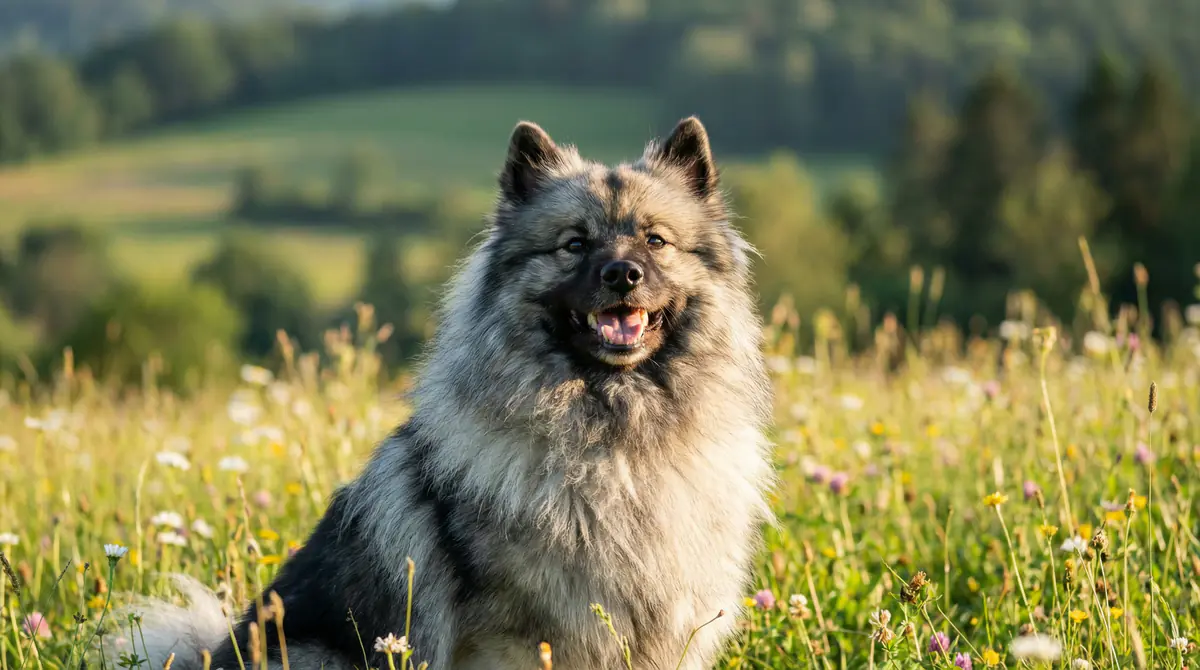
Keeshonden are compact spitz; coat volume lies about weight.
Hands-on rib checks monthly beat eyeballing.
When growth slows, treat drift climbs quietly.
Blow coat season is intense; grooming prevents skin issues.
Heat and humidity hit double coats hard.
They train with enthusiasm; measured meals matter.
Un chiot, ce n’est pas qu’une phase : c’est une pile d’étapes différentes. Servez-vous de cela comme fil conducteur, pas comme loi absolue.
Routine, handling, calm exposure.
Leash skills before pulls win.
Mental work + coat discipline.
Habits mature.
Nous associons quelques grandes familles utiles au quotidien (sommeil, marche, repas…) avec les réglages de gabarit et de croissance : des idées souvent très bien notées, cohérentes avec vos paramètres actuels.
Repas, sorties, éducation, maison, prévention — rédigé pour celles et ceux qui viennent de regarder la courbe de poids.
Your vet sets calories.
Measured meals support training.
Slow transitions.
Moderate walks and play.
Heat planning; avoid midday exertion.
End before overtired mouthiness.
Motivate with cooperation.
Socialization is pairing and distance.
Teach door manners and a calm default.
Vacuum strategy; undercoat season is real.
Rotate enrichment.
Hips, eyes, and cardiac topics appear in breed programs; your vet personalizes.
Dental tolerance training.
Parasite control for your region.
En cas de doute, appelez surtout avec un chiot. Cette liste n’est ni exhaustive ni un guide d’urgence ; ce sont des rappels que beaucoup de cliniques veulent entendre tôt.
Information générale seulement : pas un avis médical ni un substitut à l’examen et au plan d’un vétérinaire diplômé. Les estimations et astuces ne diagnostiquent pas ; en cas de souci sanitaire, contactez votre clinique.
Friendly, lively, and outgoing
Non-Sporting
Moyen
12-15 years
15 mois
35-45 lb
18 po de haut
35-45 lb
17 po de haut
Keeshonden were barge dogs and companions in the Netherlands, valued for watchdog barking, cold tolerance, and close bonds with families.
Their mane and spectacles are breed hallmarks with real grooming time behind them.
Modern pets still announce visitors loudly; training and enrichment beat yelling into the noise.
Le simulateur s’appuie sur l’âge et le poids du moment pour estimer le gabarit adulte. Comme la croissance est très rapide au début puis ralentit, l’ajustement tient compte de l’étape où se trouve votre Keeshond.
Un Keeshond est en général proche de sa taille adulte vers 15 mois. Plus le chiot vieillit et plus une part de la croissance est déjà faite, plus l’estimation se stabilise.
La plupart des adultes Keeshond se situent habituellement entre 35 et 45 lb. Vous pouvez estimer très jeune, mais la fiabilité grimpe souvent après ~12 semaines.
Faites découvrir PetCareCalc à d’autres propriétaires ou gardez le lien pour plus tard.
À essayer aussi : Âge du chien (années chien et humaines) · Quiz des races
Ajoutez gratuitement notre simulateur à votre site.
Toujours en train de défiler ?
Quelques clics rapides, un résultat immédiat et un lien à envoyer dans le groupe — gratuit, sans compte.
C’est partiCroissance estimée pour votre Keeshond