Graphique personnalisé
Indiquez âge et poids pour voir la courbe de votre chien.
Jusqu’où ira mon Carolina Dog ? Poids adulte estimé et suivi de croissance.
Nous associons quelques grandes familles utiles au quotidien (sommeil, marche, repas…) avec les réglages de gabarit et de croissance : des idées souvent très bien notées, cohérentes avec vos paramètres actuels.
Grandes cages
Couchages douillets
Harnais prêts sortie
Gamelle interactive
Carolina Dog puppies are American “dingo-type” dogs: smart, reserved, and bonded to family. Your growth chart pairs with patient socialization, honest exercise, and training that earns trust before independence becomes aloofness.
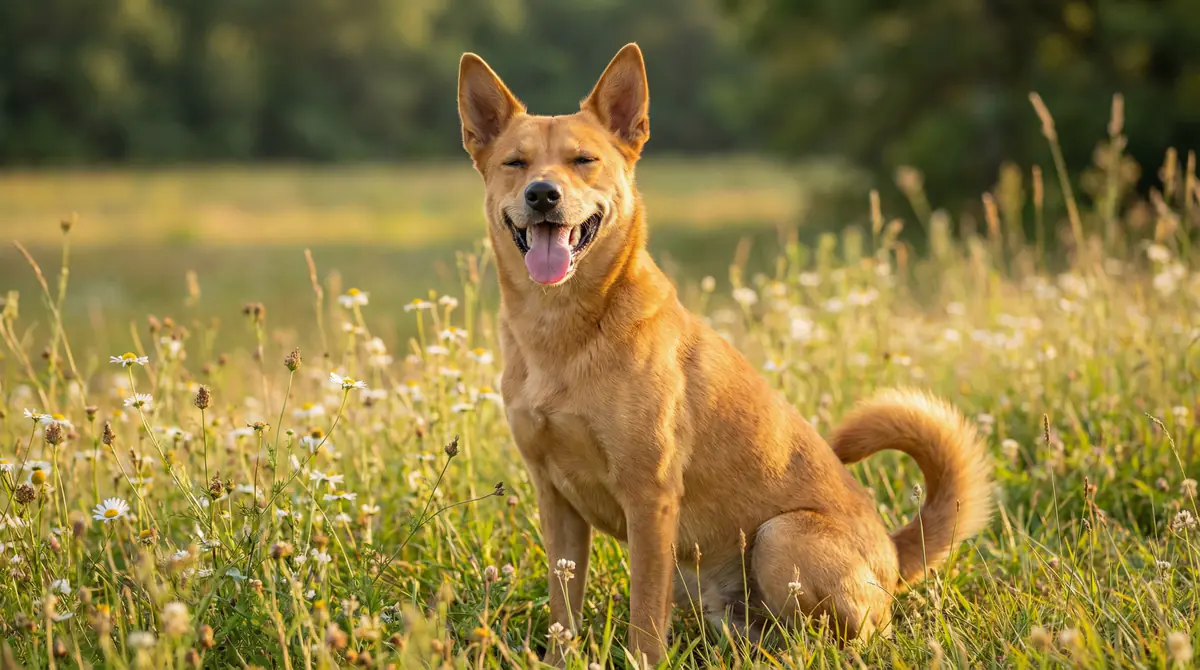
Carolina Dogs are medium, athletic landrace dogs; the calculator reflects breed averages while individual lines still vary. Muscle and season change how weight “looks”—pair the chart with rib feel, waist photos, and your veterinarian’s take on condition.
The short coat is relatively honest; still weigh every few weeks on the same scale so drift shows up as a line, not a guess.
When growth slows, shorter walks and generous treats bend the curve before the mirror says anything—log both honestly.
Reserve with strangers is a breed tendency; socialization should be thoughtful—novelty at a distance that keeps curiosity, not forced petting from every passerby.
They learn when trust is solid; measured meals keep you honest when “one more treat for bravery” stacks up.
Teen testing is normal; shorten sessions, raise reward rate, and revisit leash basics instead of escalating corrections.
Un chiot, ce n’est pas qu’une phase : c’est une pile d’étapes différentes. Servez-vous de cela comme fil conducteur, pas comme loi absolue.
Routine, gentle handling, calm exposure.
Skills before fear hardens.
Exercise + clarity.
Partnership matures.
Nous associons quelques grandes familles utiles au quotidien (sommeil, marche, repas…) avec les réglages de gabarit et de croissance : des idées souvent très bien notées, cohérentes avec vos paramètres actuels.
Repas, sorties, éducation, maison, prévention — rédigé pour celles et ceux qui viennent de regarder la courbe de poids.
Your veterinarian should set starting calories and adjust to your puppy’s trend; athletic dogs need structure, not grazing guesswork.
Measured meals make training and appetite changes legible when life gets busy.
Transition diets over about a week unless your vet directs otherwise; gut upset hides whether portions fit.
Consistent daily movement—walks, sniffing, and age-appropriate play—beats weekend warrior spikes that leave Monday sore.
Heat planning: water, shade, and shorter sessions in warm weather.
End before overtired mouthiness; tired dogs make poor training partners.
Gentle consistency builds trust; harsh corrections often deepen suspicion in reserved breeds.
Socialization is pairing and distance—positive associations at tolerable intensity.
Teach mat or place so “off” is a trained skill, not luck.
Secure fencing and latches; bright dogs test weaknesses when bored.
Rotate enrichment—chews, puzzles, training—to replace digging and vocalizing hobbies.
Hips and eyes appear in breed education; your vet personalizes exams and screening timing.
Dental tolerance training while young pays off for life.
Parasite control should match ticks, heartworm risk, and travel in your area.
En cas de doute, appelez surtout avec un chiot. Cette liste n’est ni exhaustive ni un guide d’urgence ; ce sont des rappels que beaucoup de cliniques veulent entendre tôt.
Information générale seulement : pas un avis médical ni un substitut à l’examen et au plan d’un vétérinaire diplômé. Les estimations et astuces ne diagnostiquent pas ; en cas de souci sanitaire, contactez votre clinique.
Loyal, independent, and gentle
Hound
Moyen
12-15 years
15 mois
30-44 lb
17-24 po de haut
30-44 lb
17-24 po de haut
Carolina Dogs are a landrace breed associated with the southeastern United States, shaped by free-living and semi-wild survival before formal breeding programs documented consistent type.
They are often cautious with strangers; forced greetings backfire.
Modern Carolina Dogs fit active homes that respect their instincts; bored dogs roam, dig, and vocalize.
Le simulateur s’appuie sur l’âge et le poids du moment pour estimer le gabarit adulte. Comme la croissance est très rapide au début puis ralentit, l’ajustement tient compte de l’étape où se trouve votre Carolina Dog.
Un Carolina Dog est en général proche de sa taille adulte vers 15 mois. Plus le chiot vieillit et plus une part de la croissance est déjà faite, plus l’estimation se stabilise.
La plupart des adultes Carolina Dog se situent habituellement entre 30 et 44 lb. Vous pouvez estimer très jeune, mais la fiabilité grimpe souvent après ~12 semaines.
Faites découvrir PetCareCalc à d’autres propriétaires ou gardez le lien pour plus tard.
À essayer aussi : Âge du chien (années chien et humaines) · Quiz des races
Ajoutez gratuitement notre simulateur à votre site.
Toujours en train de défiler ?
Quelques clics rapides, un résultat immédiat et un lien à envoyer dans le groupe — gratuit, sans compte.
C’est partiCroissance estimée pour votre Carolina Dog