Graphique personnalisé
Indiquez âge et poids pour voir la courbe de votre chien.
Jusqu’où ira mon American Pit Bull Terrier ? Poids adulte estimé et suivi de croissance.
Nous associons quelques grandes familles utiles au quotidien (sommeil, marche, repas…) avec les réglages de gabarit et de croissance : des idées souvent très bien notées, cohérentes avec vos paramètres actuels.
Grandes cages
Couchages douillets
Harnais prêts sortie
Gamelle interactive
American Pit Bull Terrier puppies are athletic, people-focused terriers with strength to spare. Your growth chart pairs with consistent training, leash manners, and outlets that channel drive into skills—so your dog becomes a community-safe ambassador, not a statistic.
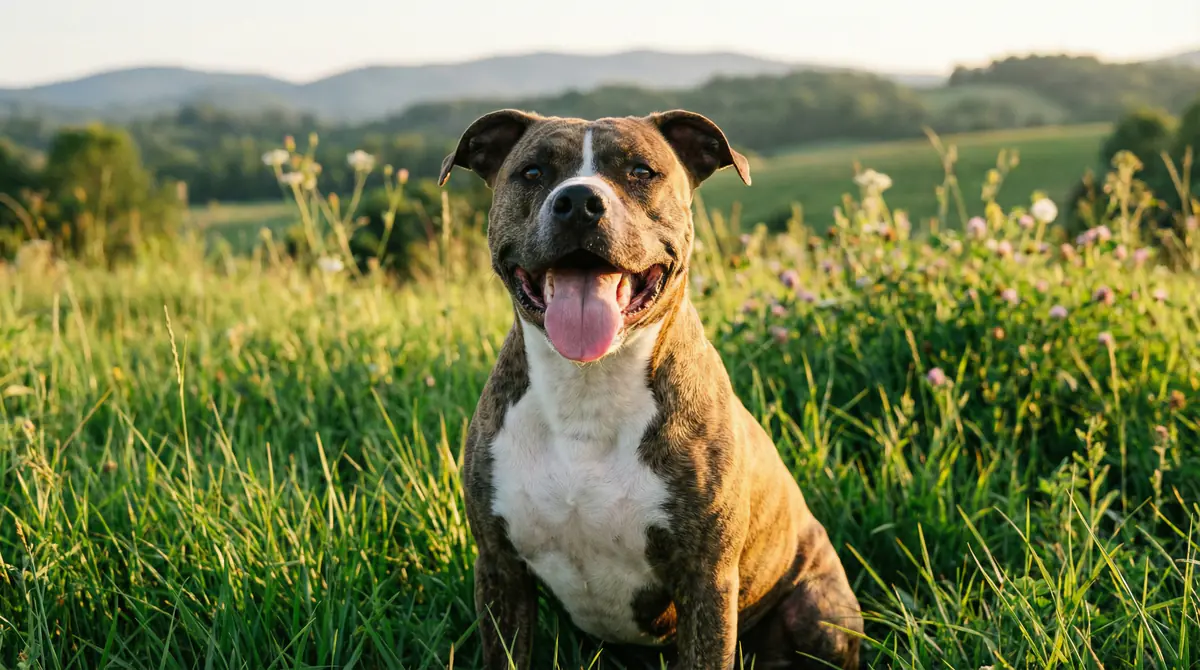
American Pit Bull Terriers are medium, dense athletes; muscle shifts the scale while your veterinarian confirms condition. Read the chart as a trend across weeks, not a panic after one heavy leg day at the park.
Short coat shows weight trends honestly; still weigh and photo every few weeks so drift does not sneak in behind “he looks fit.”
When growth slows, treat drift climbs fast if training treats, marrow bones, and table scraps stay generous.
They often love people; leash skills still prevent rude greetings that frighten strangers or trigger leash reactivity.
Dog-dog selectivity can appear in adolescence; manage interactions with distance, matched playmates, and professional input before problems rehearse.
Teen regression is normal; simplify criteria, shorten sessions, and pay more for basics.
Un chiot, ce n’est pas qu’une phase : c’est une pile d’étapes différentes. Servez-vous de cela comme fil conducteur, pas comme loi absolue.
Routine, trade games, gentle exposure.
Leash skills before adolescent power wins.
Channel drive; protect joints.
Athlete maturity.
Nous associons quelques grandes familles utiles au quotidien (sommeil, marche, repas…) avec les réglages de gabarit et de croissance : des idées souvent très bien notées, cohérentes avec vos paramètres actuels.
Repas, sorties, éducation, maison, prévention — rédigé pour celles et ceux qui viennent de regarder la courbe de poids.
Your veterinarian sets calories for steady growth; dense terriers need enough fuel for training without thickening the waist.
Measured meals keep reinforcement honest—you are not buying focus with hidden second dinners.
Transition foods over ~7 days unless your vet directs otherwise.
Brisk walks, play, sniffing, and thinking work beat mindless ball chucking alone; tired brain beats tired jaws.
End before overtired mouthiness or manic play on slick floors.
Heat planning; muscle plus enthusiasm stacks risk quickly.
Teach calm greetings and door manners early; enthusiasm is cute until it knocks grandma over.
Socialization is pairing and distance; sub-threshold wins beat chaotic dog-park stacking.
If arousal spikes around dogs, lower difficulty, add distance, and get qualified help before rehearsals harden.
Rotate tough chews and food puzzles so jaws and brains both work.
Secure trash; sporting noses open cabinets and bins fast.
Hips, skin allergies, and cardiac topics appear in breed conversations; your vet personalizes screening and itch plans.
Dental tolerance training while young pays off for life.
Parasite control should match your region and lifestyle.
En cas de doute, appelez surtout avec un chiot. Cette liste n’est ni exhaustive ni un guide d’urgence ; ce sont des rappels que beaucoup de cliniques veulent entendre tôt.
Information générale seulement : pas un avis médical ni un substitut à l’examen et au plan d’un vétérinaire diplômé. Les estimations et astuces ne diagnostiquent pas ; en cas de souci sanitaire, contactez votre clinique.
Strong, confident, and athletic companion
Terrier
Moyen
12-16 years
15 mois
Pit Bull, APBT, Pitbull, Blue Nose Pitbull, Red Nose Pitbull
35-65 lb
18-21 po de haut
30-50 lb
17-20 po de haut
The APBT descends from British bull-and-terrier types brought to America, where breeders selected for athleticism, tenacity, and handler loyalty in working and companion roles.
They are strong terriers; “friendly” does not mean “no training.”
Breed-specific laws and housing rules vary; know your local requirements early.
Le simulateur s’appuie sur l’âge et le poids du moment pour estimer le gabarit adulte. Comme la croissance est très rapide au début puis ralentit, l’ajustement tient compte de l’étape où se trouve votre American Pit Bull Terrier.
Un American Pit Bull Terrier est en général proche de sa taille adulte vers 15 mois. Plus le chiot vieillit et plus une part de la croissance est déjà faite, plus l’estimation se stabilise.
La plupart des adultes American Pit Bull Terrier se situent habituellement entre 30 et 65 lb. Vous pouvez estimer très jeune, mais la fiabilité grimpe souvent après ~12 semaines.
Faites découvrir PetCareCalc à d’autres propriétaires ou gardez le lien pour plus tard.
À essayer aussi : Âge du chien (années chien et humaines) · Quiz des races
Ajoutez gratuitement notre simulateur à votre site.
Toujours en train de défiler ?
Quelques clics rapides, un résultat immédiat et un lien à envoyer dans le groupe — gratuit, sans compte.
C’est partiCroissance estimée pour votre American Pit Bull Terrier