Personalized chart
Enter age and weight to see your dog's unique trajectory.
How big will my Vizsla get? Predict adult weight and track your puppy's development.
We picked these products to help you take better care of your dog day to day—from sleep to safer walks, easier feeding, and a sensible setup at home. Each slot is narrowed to highly rated picks that match your dog’s size and stage.
Roomy crates
Comfy beds
Walk-ready harnesses
Slow feeders
Vizsla puppies are velcro sporting dogs: lean, quick, and emotionally honest. Your weight projection should pair with joint care, separation skills, and enough work to prevent a bored red rocket.
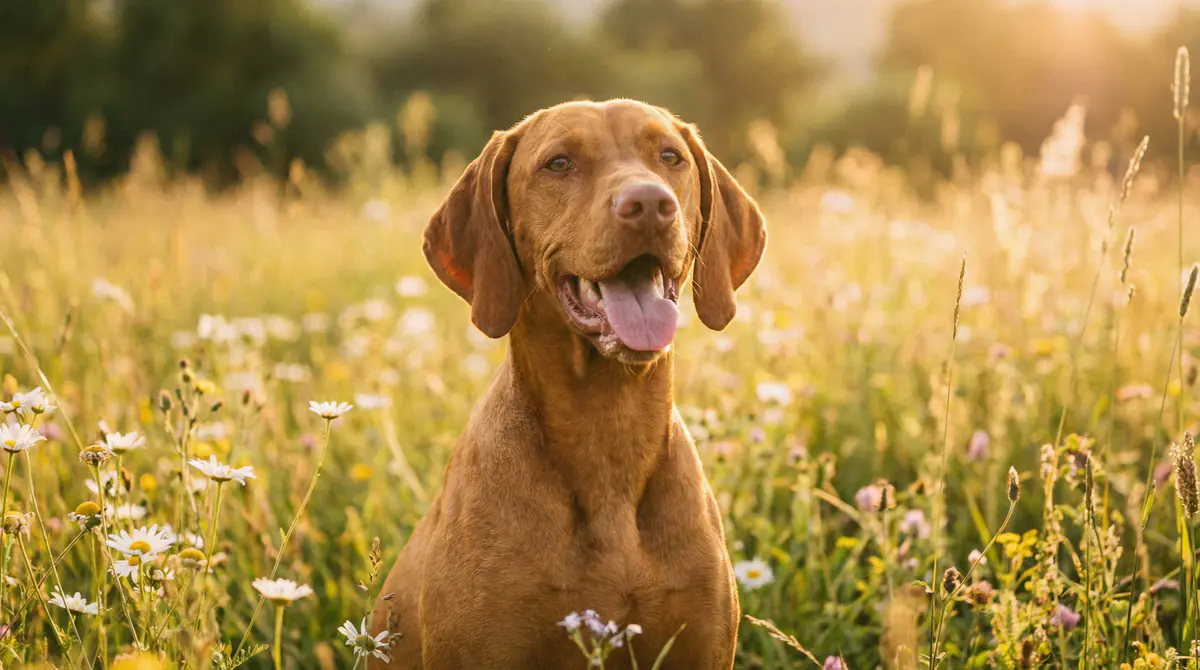
Vizslas should look athletic; ribs may be easy to feel on healthy individuals.
If the chart says heavy but they look ribby, ask your vet before you chase pounds.
Sudden weight gain often means food drift or reduced exercise.
Limping after hard play needs vet input.
Heat: they are not invincible; plan water and shade.
Whining and destruction can be separation distress; train early.
Puppyhood is not one stage. It is a stack of different problems and wins. Use this like a timeline, not a rigid rulebook.
Routine, potty, gentle exposure, alone time seeds.
Leash skills before pulls cement.
Work body and brain.
Endurance builds gradually.
We picked these products to help you take better care of your dog day to day—from sleep to safer walks, easier feeding, and a sensible setup at home. Each slot is narrowed to highly rated picks that match your dog’s size and stage.
Feeding, exercise, training, home setup, and prevention. Each block is written for people who just checked their puppy's weight curve.
Quality sporting puppy diet per your vet.
Measured meals; they train for food constantly.
Slow transitions.
Free play, swimming when safe, varied terrain.
A tired brain matters as much as miles.
End before overtired mouthiness.
Teach calm: mat, crate chill.
Socialization at comfortable distances.
Fair expectations reduce frustration.
Safe chews for alone time.
Management when unsupervised; they are curious.
Vaccines and parasites per your vet.
Discuss inherited topics your breeder screened.
Dental tolerance training.
If you are unsure, call your veterinarian, especially with puppies. This list is not complete and does not cover every situation. It is a general reminder of signs many clinics want to hear about.
General educational information only. It is not medical advice and does not replace an exam or treatment plan from a licensed veterinarian. Estimates and tips cannot diagnose illness or emergencies; contact your vet with any health concerns.
Affectionate, gentle, and energetic
Sporting
Medium
12-14 years
15 months
Hungarian Vizsla
44-60 lbs
22-24" tall
44-60 lbs
21-23" tall
The Vizsla is Hungary’s versatile pointing dog, refined by nobles and hunters for centuries as a close working bird dog that could also retrieve and track.
World wars nearly erased the breed; dedicated breeders rebuilt it from remaining stock.
Modern Vizslas are field stars and obsessive companions. That history explains stamina, heat tolerance relative to coated breeds, and the separation distress risk if alone time is never taught.
The calculator uses your puppy's current age and weight to estimate adult size. Because puppies grow fastest early on and then slow down as they mature, the estimate adjusts for the stage of growth your Vizsla is in.
Vizslas are usually close to full size by around 15 months. As your puppy gets older and more of its growth is already complete, the estimate usually becomes more reliable.
Most adult Vizslas fall within a typical weight range of 44-60 lbs. You can use the calculator for younger puppies, but estimates are usually more accurate after about 12 weeks.
Straight answers on size, growth, feeding, and how to use this calculator alongside your veterinarian.
Adult Vizslas are often quoted around 44–60 lb, with males frequently a bit larger than females. They should look athletic; ribs may be easy to feel on healthy individuals. If the chart suggests “heavy” but photos and palpation say lean athlete, trust your eyes and hands—not an arbitrary number.
Many are largely there by roughly 12–15 months, but filling out and conditioning continue. Avoid forced pavement miles while growing; favor free play, swimming when safe, and varied terrain. Sudden weight gain often means food drift or less exercise, not a growth spurt.
They bond tightly and can struggle with alone time if it is never taught in tiny, positive increments from puppyhood. Separation distress can look like destruction or endless whining—a qualified trainer can help you build duration calmly. Calm departures and returns help.
Body and brain: retrieves with rules, scent games, and training sessions count alongside walks. End before overtired mouthiness; carry water and plan for heat. If your pup is big for the breed, follow large-breed puppy feeding labels and let the trend line—not begging—guide portion tweaks.
High-drive sporting dogs often do well with measured food split across the day so training and play have predictable fuel. After a large meal, many households keep the next stretch lower-key than sprint games—think sniffing, chews, or mat work. Log heavy treat days next to your weights so “camp weekends” do not look like mystery gain on the chart.
Share PetCareCalc with other pet parents or save the link to come back later.
Also try: Dog age calculator (dog years and human years) · Dog breed quiz
Add our free embeddable calculator to your site.
Still scrolling?
Five quick taps, an instant match, and a shareable link for the group chat. Free, no signup.
StartPredicting the growth of your Vizsla