Personalized chart
Enter age and weight to see your dog's unique trajectory.
How big will my Australian Shepherd get? Predict adult weight and track your puppy's development.
We picked these products to help you take better care of your dog day to day—from sleep to safer walks, easier feeding, and a sensible setup at home. Each slot is narrowed to highly rated picks that match your dog’s size and stage.
Roomy crates
Comfy beds
Walk-ready harnesses
Slow feeders
Aussie puppies are smart, quick, and sometimes spooky. Pair your weight projection with joint care, mental exercise, and socialization that builds confidence without flooding.
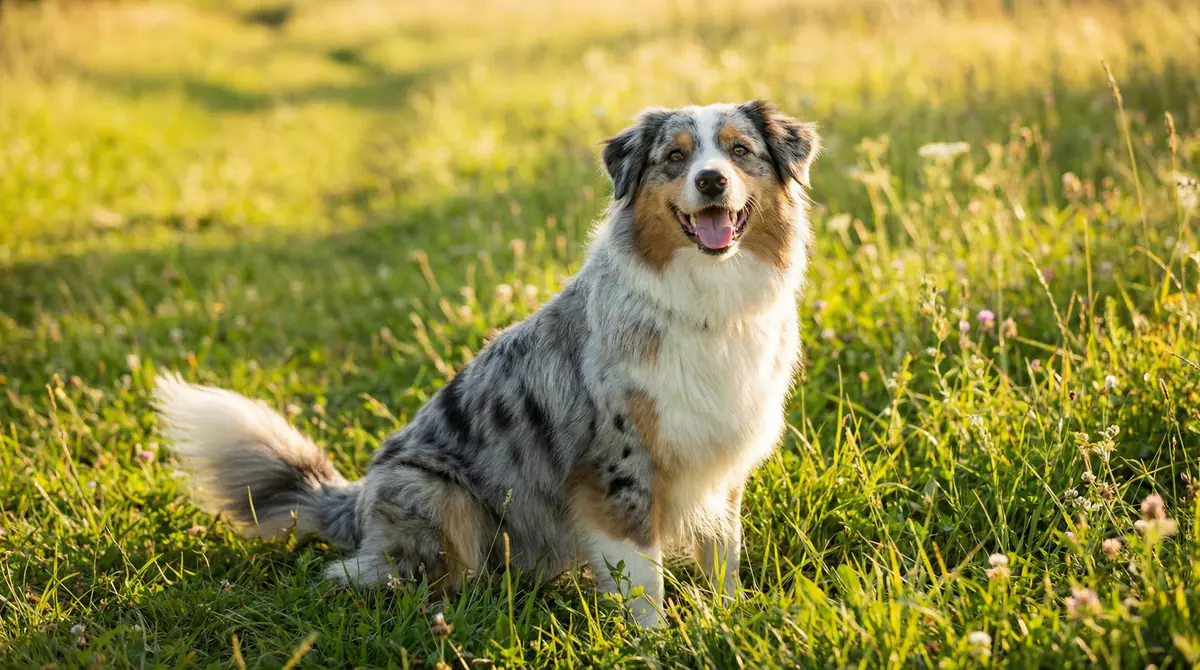
Aussies vary by line: some lean and intense, some stockier; compare your pup to parents and littermates when you can.
Growth can look uneven week to week; trend lines beat panic points.
If weight spikes while activity drops, revisit meals and treats with your vet.
Herding dogs notice everything; fear periods are normal, pain plus fear should be checked.
Watch nails and gait; busy dogs wear unevenly.
Heat and exercise collapse risks deserve a vet chat if your line discusses them.
Puppyhood is not one stage. It is a stack of different problems and wins. Use this like a timeline, not a rigid rulebook.
Routine, sleep, potty, gentle novelty.
Impulse control before adolescence.
Brain games beat brute mileage.
Channel drive into sports or hobbies.
We picked these products to help you take better care of your dog day to day—from sleep to safer walks, easier feeding, and a sensible setup at home. Each slot is narrowed to highly rated picks that match your dog’s size and stage.
Feeding, exercise, training, home setup, and prevention. Each block is written for people who just checked their puppy's weight curve.
Quality diet for growth; your vet picks the category.
Split meals; measure by scale when possible.
Treats are calories; budget training days.
Off leash only in safe fenced spaces until recall is proven.
Swimming and hiking are great when age appropriate and safe.
A tired brain often matters more than a tired body.
Teach an off switch: mat, crate chill, calm praise.
If your pup herds kids or bikes, redirect to legal outlets and add distance.
Punishment for alert barking often increases arousal; train alternatives.
Rotate calm periods; overstimulated Aussies spin.
Management: gates, crates, leashes.
Parasite and vaccine schedule per your vet.
Discuss inherited conditions your breeder screened; your vet personalizes monitoring.
Dental tolerance training early.
If you are unsure, call your veterinarian, especially with puppies. This list is not complete and does not cover every situation. It is a general reminder of signs many clinics want to hear about.
General educational information only. It is not medical advice and does not replace an exam or treatment plan from a licensed veterinarian. Estimates and tips cannot diagnose illness or emergencies; contact your vet with any health concerns.
Smart, work-oriented, and exuberant
Herding
Medium
12-15 years
15 months
Aussie
40-65 lbs
20-23" tall
40-65 lbs
18-21" tall
Despite the name, the breed was refined in the United States from collie type herding dogs brought by Basque shepherds and other immigrants. Selective breeding emphasized agility, eye, and versatility on livestock.
Aussies became ranch favorites, then dog sport stars, then family dogs with a serious work ethic.
Merle genetics matter for responsible breeding; your puppy’s color is not just cosmetic. Ethical breeders plan pairings to avoid double merle outcomes. That history is why health conversations start early.
The calculator uses your puppy's current age and weight to estimate adult size. Because puppies grow fastest early on and then slow down as they mature, the estimate adjusts for the stage of growth your Australian Shepherd is in.
Australian Shepherds are usually close to full size by around 15 months. As your puppy gets older and more of its growth is already complete, the estimate usually becomes more reliable.
Most adult Australian Shepherds fall within a typical weight range of 40-65 lbs. You can use the calculator for younger puppies, but estimates are usually more accurate after about 12 weeks.
Straight answers on size, growth, feeding, and how to use this calculator alongside your veterinarian.
Adult Aussies are often quoted around 40–65 lb, with males usually larger than females and a lot of variation by line—some dogs run lean and intense, others stockier. Compare your puppy to parent sizes and littermates when you can, and use the calculator to watch direction over weeks, not one snapshot.
Many approach much of their frame by roughly 12–15 months, but muscle and coat can keep changing after that. Growth can look uneven week to week; trend lines beat panic points. If weight spikes while activity drops, revisit meals and treats—neuter timing can shift appetite and calories too.
Australian Shepherds were bred for herding and problem-solving beside people. A tired brain often prevents more trouble than legs-only exhaustion: scent games, short training sessions, food puzzles, and polite manners all count. Without outlets, smart adolescents find their own hobbies—usually ones you will not enjoy.
Avoid repetitive high jumps on hard surfaces while young; if your dog looks sore after agility-style play, trade the next session for flatwork and tricks. Measure food—training happens constantly with food-smart breeds—and end play before overtired biting escalates. Nail length matters for busy dogs; long nails change how they move.
Log weights every few weeks and take monthly standing photos; fluff hides condition. Socialize at distances that keep curiosity, not panic—fear periods are normal, and patience beats flooding. If you are choosing a puppy, ask your breeder how they match structure and temperament to sport or pet homes; the calculator only models weight, not lifestyle fit.
Share PetCareCalc with other pet parents or save the link to come back later.
Also try: Dog age calculator (dog years and human years) · Dog breed quiz
Add our free embeddable calculator to your site.
Still scrolling?
Five quick taps, an instant match, and a shareable link for the group chat. Free, no signup.
StartPredicting the growth of your Australian Shepherd