Personalized chart
Enter age and weight to see your dog's unique trajectory.
How big will my Siberian Husky get? Predict adult weight and track your puppy's development.
We picked these products to help you take better care of your dog day to day—from sleep to safer walks, easier feeding, and a sensible setup at home. Each slot is narrowed to highly rated picks that match your dog’s size and stage.
Roomy crates
Comfy beds
Walk-ready harnesses
Slow feeders
Huskies treat fences as suggestions and boredom as a job, pair your growth estimate with containment realism, cooperative training, and exercise that actually tires the brain.
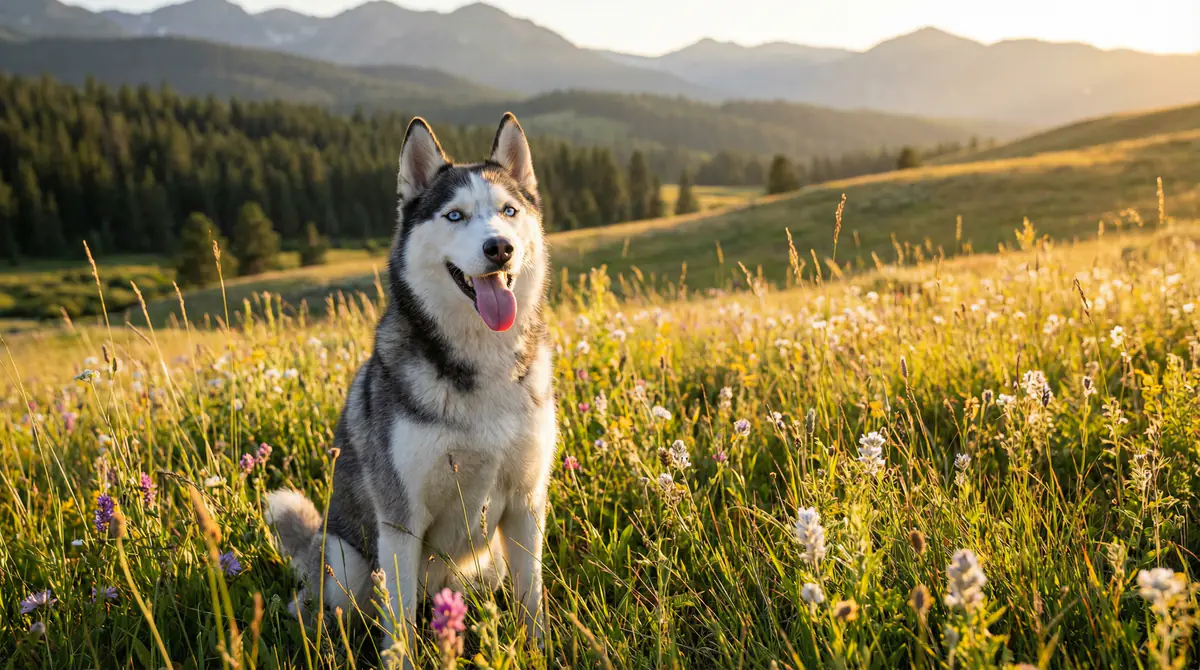
Huskies often stay lean and athletic; “light for the chart” can be normal if ribs are fine and your vet agrees.
Coat seasons change how heavy they look, trust palpation and trends.
If weight climbs while exercise drops, calories need adjustment, Huskies can become overweight couch potatoes too.
Feel ribs monthly; waist should exist when coat is parted visually.
High energy can mask fatigue, end activities before dehydration/overheat in warm climates.
Sudden weight loss with normal appetite warrants vet visit.
Puppyhood is not one stage. It is a stack of different problems and wins. Use this like a timeline, not a rigid rulebook.
Containment, sleep, potty, cooperative handling.
Outlets + training + secure yard checks.
Brain games beat brute mileage.
Channel drive into structured outlets.
We picked these products to help you take better care of your dog day to day—from sleep to safer walks, easier feeding, and a sensible setup at home. Each slot is narrowed to highly rated picks that match your dog’s size and stage.
Feeding, exercise, training, home setup, and prevention. Each block is written for people who just checked their puppy's weight curve.
Measured meals; some individuals do well on specific formulations, vet guidance.
Treats still count; overweight Huskies happen.
Working drive does not mean free feeding; structure makes weight and stool easier to read.
Sniffing, running in safe enclosed spaces, and interactive play.
A yard must be secure; GPS collars are not a substitute for fencing for many dogs.
Build duration gradually; adolescent Huskies tolerate more than their joints should take if you let them.
Reward what you want; Huskies rehearse what works for them.
Recall training is lifelong maintenance, not graduation.
Fair expectations reduce frustration: some individuals will never be reliable off leash in open areas, and that is OK with good management.
Assume trash surfing, counter surfing, and sock theft.
Rotate enrichment so “quiet time” is a trained skill, not a surprise punishment.
Parasite control for your region; tick awareness if you hike.
Dental care, some lines have crowded mouths.
Eye issues can appear in some lines; squinting, discharge, or cloudiness deserve prompt vet attention.
If you are unsure, call your veterinarian, especially with puppies. This list is not complete and does not cover every situation. It is a general reminder of signs many clinics want to hear about.
General educational information only. It is not medical advice and does not replace an exam or treatment plan from a licensed veterinarian. Estimates and tips cannot diagnose illness or emergencies; contact your vet with any health concerns.
Loyal, mischievous, and outgoing
Working
Medium
12-14 years
15 months
Husky
35-60 lbs
21-23.5" tall
35-60 lbs
20-22" tall
Siberian Huskies were developed over centuries by the Chukchi and related peoples of northeast Asia as endurance sled dogs. They were bred to pull light loads over long distances in brutal cold, sleep in family shelters, and cooperate in tight teams, not to win short drag races.
In the early 1900s they reached Alaska, where they impressed mushers with speed relative to heavier freight dogs. The 1925 serum run to Nome, especially Leonhard Seppala’s dogs, turned them into American folk heroes and boosted interest in the breed.
Kennel clubs later split racing sprint lines from traditional Siberian type to some degree, but the through line is the same: high cooperation, high vocalization, high prey interest, and a metabolism that laughs at your “one walk” plan. History is not on the side of lazy fences.
The calculator uses your puppy's current age and weight to estimate adult size. Because puppies grow fastest early on and then slow down as they mature, the estimate adjusts for the stage of growth your Siberian Husky is in.
Siberian Huskys are usually close to full size by around 15 months. As your puppy gets older and more of its growth is already complete, the estimate usually becomes more reliable.
Most adult Siberian Huskys fall within a typical weight range of 35-60 lbs. You can use the calculator for younger puppies, but estimates are usually more accurate after about 12 weeks.
Straight answers on size, growth, feeding, and how to use this calculator alongside your veterinarian.
Adult Siberian Huskies are often quoted around 35–60 lb, with individuals varying by sex, genetics, and activity level. They are built lean and athletic for endurance, so a healthy Husky can sit lighter on the scale than some other breeds of similar height. Use the calculator alongside waist photos and rib feel—not a generic “fluffy = fat” guess.
Huskies frequently stay race-fit in outline; “light for the chart” can be normal if ribs are easy to feel and energy is high. Seasonal coat changes also change how bulky they look—palpation and photos beat fluff alone. If weight climbs while exercise drops, calories usually need adjustment; couch-potato Huskies can become overweight too.
Many approach a lot of their frame by roughly 12–15 months, but conditioning and coat can keep changing after that. Focus on steady growth and appropriate exercise while young; boredom and under-stimulation often show up as digging, yelling, or escape attempts more than as polite requests for another walk.
They need real physical and mental work as they mature, but puppies are still growing—favor age-appropriate play, sniffing, and training over marathon mileage. Heat sensitivity exists even in northern breeds; provide water, shade, and rest. A tired brain (scent games, skills, structured play) often prevents more trouble than legs-only exhaustion.
The breed history is endurance, teamwork, and high prey interest—many individuals treat containment as a puzzle. Microchip, visible ID, and secure gates are baseline. Steady weight and honest food math make adult adventures easier to plan, but no calculator replaces supervision and training. If your adolescent tests barriers, fix the environment and involve a qualified trainer early.
Share PetCareCalc with other pet parents or save the link to come back later.
Also try: Dog age calculator (dog years and human years) · Dog breed quiz
Add our free embeddable calculator to your site.
Still scrolling?
Five quick taps, an instant match, and a shareable link for the group chat. Free, no signup.
StartPredicting the growth of your Siberian Husky