Personalized chart
Enter age and weight to see your dog's unique trajectory.
How big will my Entlebucher Mountain Dog get? Predict adult weight and track your puppy's development.
We picked these products to help you take better care of your dog day to day—from sleep to safer walks, easier feeding, and a sensible setup at home. Each slot is narrowed to highly rated picks that match your dog’s size and stage.
Roomy crates
Comfy beds
Walk-ready harnesses
Slow feeders
Entlebucher Mountain Dog puppies are the smallest Swiss herders with the biggest busybody energy. Your growth chart belongs with joint-smart exercise, weight honesty, and training that channels herding eye into polite habits.
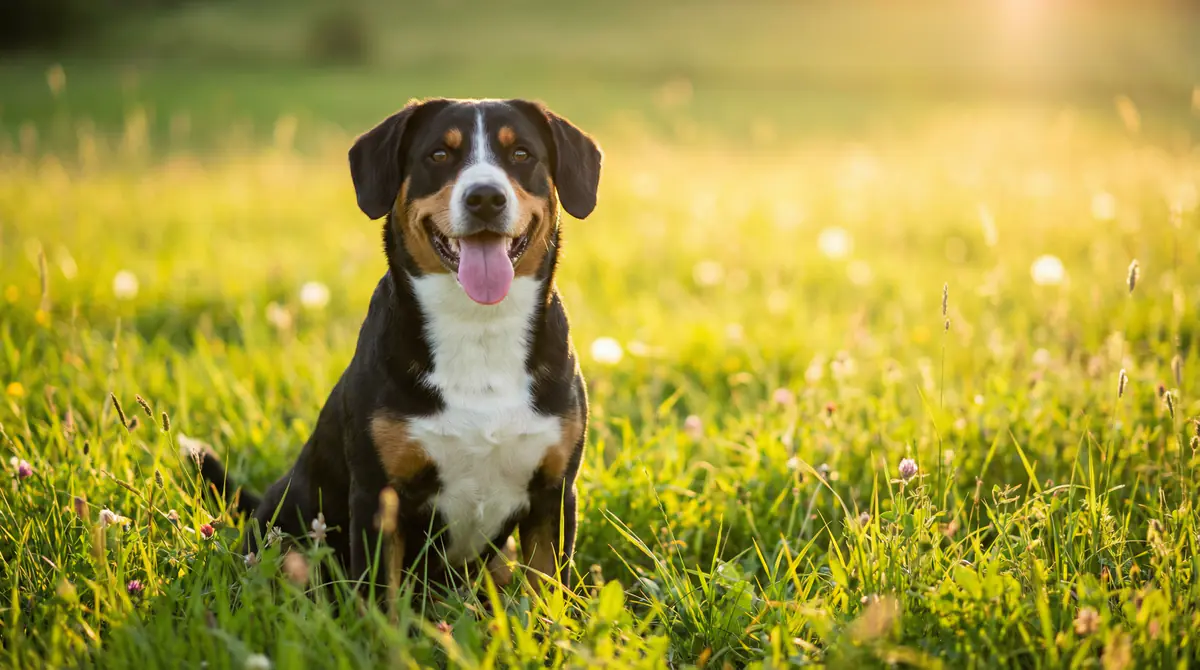
Entles are midsize but dense cattle drivers; muscle shifts the scale while your veterinarian confirms condition. Read the projection as a trend across weeks.
Short coat shows weight honestly; still track trends and hands-on ribs monthly.
When growth eases, treat drift climbs if mental work drops but training treats stay generous.
Heel nipping is breed history; train incompatible behaviors and outlets early.
They learn quickly; treat calories stack quietly if you do not log jackpots.
Sound sensitivity appears in some lines; socialization stays sub-threshold.
Puppyhood is not one stage. It is a stack of different problems and wins. Use this like a timeline, not a rigid rulebook.
Routine, handling, gentle exposure.
Leash skills before adolescent strength.
Mental work + impulse control.
Habits mature.
We picked these products to help you take better care of your dog day to day—from sleep to safer walks, easier feeding, and a sensible setup at home. Each slot is narrowed to highly rated picks that match your dog’s size and stage.
Feeding, exercise, training, home setup, and prevention. Each block is written for people who just checked their puppy's weight curve.
Your veterinarian picks puppy nutrition for steady growth.
Measured meals make training honest.
Transition foods over ~7 days unless your vet directs otherwise.
Sniff walks, hiking, swimming when safe and vet-approved.
End before overtired mouthiness or heel nipping amps up.
Heat planning; pause before distress panting.
Clarity beats nagging; clever dogs shut down or freelance when handled unfairly.
Socialization is pairing and distance; sub-threshold wins beat flooding.
Teach calm greetings before rehearsed charging becomes default.
Fence checks; agile herders test latches.
Rotate enrichment—puzzles, scent games, calm chews.
Hips, eyes, and PRA topics appear in breed programs; your vet personalizes screening.
Dental tolerance training while young pays off for life.
Parasite control should match your region and farm or trail exposure.
If you are unsure, call your veterinarian, especially with puppies. This list is not complete and does not cover every situation. It is a general reminder of signs many clinics want to hear about.
General educational information only. It is not medical advice and does not replace an exam or treatment plan from a licensed veterinarian. Estimates and tips cannot diagnose illness or emergencies; contact your vet with any health concerns.
Loyal, smart, and enthusiastic
Herding
Medium
11-13 years
15 months
45-65 lbs
17-21" tall
45-65 lbs
16-20" tall
Entlebuchers hail from the Entlebuch valley in Switzerland as cattle drivers and all-purpose farm dogs, one of four Swiss mountain dog types.
They were bred for agility, bark, and close-working herding style.
Modern Entles are active family dogs; boredom becomes barking, nipping heels, and creative chaos.
The calculator uses your puppy's current age and weight to estimate adult size. Because puppies grow fastest early on and then slow down as they mature, the estimate adjusts for the stage of growth your Entlebucher Mountain Dog is in.
Entlebucher Mountain Dogs are usually close to full size by around 15 months. As your puppy gets older and more of its growth is already complete, the estimate usually becomes more reliable.
Most adult Entlebucher Mountain Dogs fall within a typical weight range of 45-65 lbs. You can use the calculator for younger puppies, but estimates are usually more accurate after about 12 weeks.
Share PetCareCalc with other pet parents or save the link to come back later.
Also try: Dog age calculator (dog years and human years) · Dog breed quiz
Add our free embeddable calculator to your site.
Still scrolling?
Five quick taps, an instant match, and a shareable link for the group chat. Free, no signup.
StartPredicting the growth of your Entlebucher Mountain Dog