Personalized chart
Enter age and weight to see your dog's unique trajectory.
How big will my Carolina Dog get? Predict adult weight and track your puppy's development.
We picked these products to help you take better care of your dog day to day—from sleep to safer walks, easier feeding, and a sensible setup at home. Each slot is narrowed to highly rated picks that match your dog’s size and stage.
Roomy crates
Comfy beds
Walk-ready harnesses
Slow feeders
Carolina Dog puppies are American “dingo-type” dogs: smart, reserved, and bonded to family. Your growth chart pairs with patient socialization, honest exercise, and training that earns trust before independence becomes aloofness.
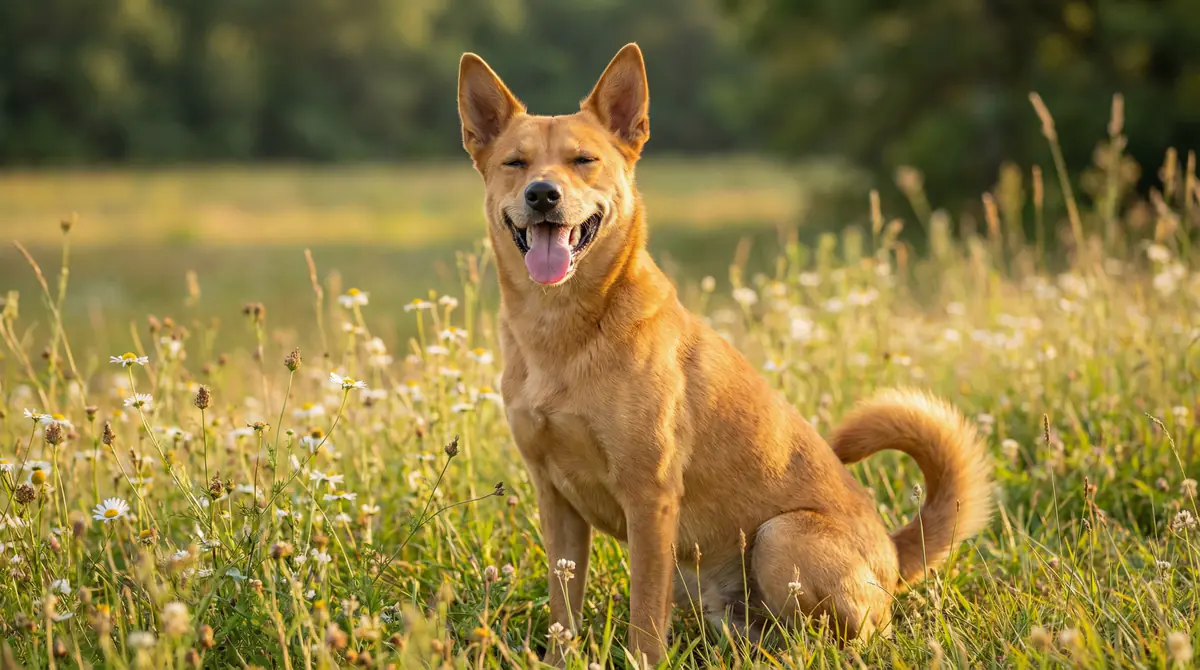
Carolina Dogs are medium, athletic landrace dogs; the calculator reflects breed averages while individual lines still vary. Muscle and season change how weight “looks”—pair the chart with rib feel, waist photos, and your veterinarian’s take on condition.
The short coat is relatively honest; still weigh every few weeks on the same scale so drift shows up as a line, not a guess.
When growth slows, shorter walks and generous treats bend the curve before the mirror says anything—log both honestly.
Reserve with strangers is a breed tendency; socialization should be thoughtful—novelty at a distance that keeps curiosity, not forced petting from every passerby.
They learn when trust is solid; measured meals keep you honest when “one more treat for bravery” stacks up.
Teen testing is normal; shorten sessions, raise reward rate, and revisit leash basics instead of escalating corrections.
Puppyhood is not one stage. It is a stack of different problems and wins. Use this like a timeline, not a rigid rulebook.
Routine, gentle handling, calm exposure.
Skills before fear hardens.
Exercise + clarity.
Partnership matures.
We picked these products to help you take better care of your dog day to day—from sleep to safer walks, easier feeding, and a sensible setup at home. Each slot is narrowed to highly rated picks that match your dog’s size and stage.
Feeding, exercise, training, home setup, and prevention. Each block is written for people who just checked their puppy's weight curve.
Your veterinarian should set starting calories and adjust to your puppy’s trend; athletic dogs need structure, not grazing guesswork.
Measured meals make training and appetite changes legible when life gets busy.
Transition diets over about a week unless your vet directs otherwise; gut upset hides whether portions fit.
Consistent daily movement—walks, sniffing, and age-appropriate play—beats weekend warrior spikes that leave Monday sore.
Heat planning: water, shade, and shorter sessions in warm weather.
End before overtired mouthiness; tired dogs make poor training partners.
Gentle consistency builds trust; harsh corrections often deepen suspicion in reserved breeds.
Socialization is pairing and distance—positive associations at tolerable intensity.
Teach mat or place so “off” is a trained skill, not luck.
Secure fencing and latches; bright dogs test weaknesses when bored.
Rotate enrichment—chews, puzzles, training—to replace digging and vocalizing hobbies.
Hips and eyes appear in breed education; your vet personalizes exams and screening timing.
Dental tolerance training while young pays off for life.
Parasite control should match ticks, heartworm risk, and travel in your area.
If you are unsure, call your veterinarian, especially with puppies. This list is not complete and does not cover every situation. It is a general reminder of signs many clinics want to hear about.
General educational information only. It is not medical advice and does not replace an exam or treatment plan from a licensed veterinarian. Estimates and tips cannot diagnose illness or emergencies; contact your vet with any health concerns.
Loyal, independent, and gentle
Hound
Medium
12-15 years
15 months
30-44 lbs
17-24" tall
30-44 lbs
17-24" tall
Carolina Dogs are a landrace breed associated with the southeastern United States, shaped by free-living and semi-wild survival before formal breeding programs documented consistent type.
They are often cautious with strangers; forced greetings backfire.
Modern Carolina Dogs fit active homes that respect their instincts; bored dogs roam, dig, and vocalize.
The calculator uses your puppy's current age and weight to estimate adult size. Because puppies grow fastest early on and then slow down as they mature, the estimate adjusts for the stage of growth your Carolina Dog is in.
Carolina Dogs are usually close to full size by around 15 months. As your puppy gets older and more of its growth is already complete, the estimate usually becomes more reliable.
Most adult Carolina Dogs fall within a typical weight range of 30-44 lbs. You can use the calculator for younger puppies, but estimates are usually more accurate after about 12 weeks.
Share PetCareCalc with other pet parents or save the link to come back later.
Also try: Dog age calculator (dog years and human years) · Dog breed quiz
Add our free embeddable calculator to your site.
Still scrolling?
Five quick taps, an instant match, and a shareable link for the group chat. Free, no signup.
StartPredicting the growth of your Carolina Dog