Graphique personnalisé
Indiquez âge et poids pour voir la courbe de votre chien.
Jusqu’où ira mon Shiba Inu ? Poids adulte estimé et suivi de croissance.
Nous associons quelques grandes familles utiles au quotidien (sommeil, marche, repas…) avec les réglages de gabarit et de croissance : des idées souvent très bien notées, cohérentes avec vos paramètres actuels.
Grandes cages
Couchages douillets
Harnais prêts sortie
Gamelle interactive
Shiba puppies are independent, dramatic, and cleaner than memes suggest. Pair your growth chart with escape-proof management, leash realism, and socialization that respects “maybe later.”
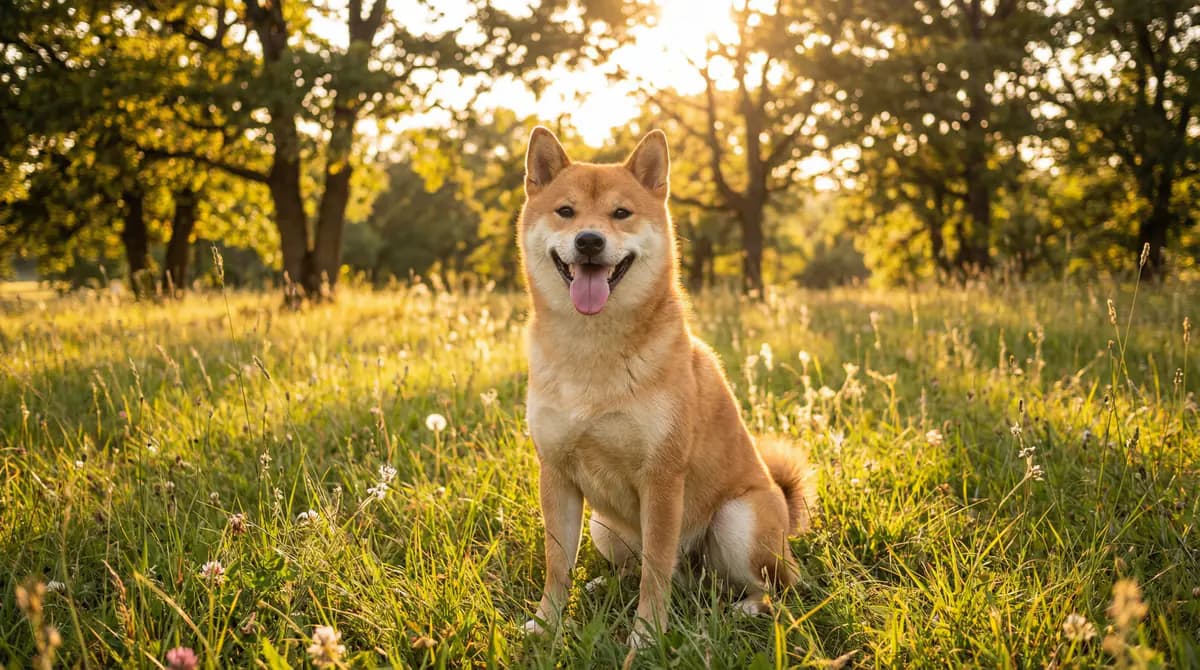
Shibas often look “finished” earlier than giant breeds; compare your pup to parent sizes when you have them, not random dogs online.
Lean and muscular is normal; fat on a Shiba hides fast under coat and skews joints.
Growth plateaus can make owners panic-feed; trend lines over weeks beat one odd weigh-in.
Double coat changes silhouette seasonally; hands-on condition checks matter.
“Shiba stubborn” often means unclear criteria or over-facing; adjust training before blaming breed.
Sudden behavior change with pain signs should be evaluated medically.
Un chiot, ce n’est pas qu’une phase : c’est une pile d’étapes différentes. Servez-vous de cela comme fil conducteur, pas comme loi absolue.
Predictable routine, gentle exposure, no flooding.
Clarity beats volume.
Consistency under test.
Blow coat, settle nerves, keep skills.
Nous associons quelques grandes familles utiles au quotidien (sommeil, marche, repas…) avec les réglages de gabarit et de croissance : des idées souvent très bien notées, cohérentes avec vos paramètres actuels.
Repas, sorties, éducation, maison, prévention — rédigé pour celles et ceux qui viennent de regarder la courbe de poids.
Your vet picks the right puppy diet and portions.
Measured meals reduce weight creep and make training cleaner.
Some Shibas are picky theatrically; avoid turning mealtime into a negotiation.
Sniff walks and varied terrain beat repetitive pounding on pavement.
Off-leash is a training and legal question, not a birthday gift.
End sessions before overtired mouthiness spikes.
Motivate with cooperation, not confrontation; Shibas remember rough handling.
Socialization includes sounds, surfaces, and novelty at their pace.
Alarm barking gets worse if you yell; teach an alternative behavior.
Fence checks; climbing and slipping under gaps happen.
Trash and counter surf plans; opportunism scales with intelligence.
Allergies, eyes, and patellas are conversation topics in some lines.
Heartworm and tick plans follow your region.
Dental care starts with tolerance training.
En cas de doute, appelez surtout avec un chiot. Cette liste n’est ni exhaustive ni un guide d’urgence ; ce sont des rappels que beaucoup de cliniques veulent entendre tôt.
Information générale seulement : pas un avis médical ni un substitut à l’examen et au plan d’un vétérinaire diplômé. Les estimations et astuces ne diagnostiquent pas ; en cas de souci sanitaire, contactez votre clinique.
Alert, active, and attentive
Non-Sporting
Petit
12-15 years
12 mois
17-23 lb
14.5-16.5 po de haut
17-23 lb
13.5-15.5 po de haut
Shiba Inu are an ancient Japanese spitz type developed to hunt small game in brushy, mountainous terrain where independence and sharp senses mattered.
The breed nearly vanished after World War II; careful rebuilding preserved nerve, coat, and that famous scream when opinions run hot.
Modern Shibas are internet famous; history explains aloofness with strangers, strong prey interest, and a partnership style closer to cat than Lab.
Le simulateur s’appuie sur l’âge et le poids du moment pour estimer le gabarit adulte. Comme la croissance est très rapide au début puis ralentit, l’ajustement tient compte de l’étape où se trouve votre Shiba Inu.
Un Shiba Inu est en général proche de sa taille adulte vers 12 mois. Plus le chiot vieillit et plus une part de la croissance est déjà faite, plus l’estimation se stabilise.
La plupart des adultes Shiba Inu se situent habituellement entre 17 et 23 lb. Vous pouvez estimer très jeune, mais la fiabilité grimpe souvent après ~12 semaines.
Faites découvrir PetCareCalc à d’autres propriétaires ou gardez le lien pour plus tard.
À essayer aussi : Âge du chien (années chien et humaines) · Quiz des races
Ajoutez gratuitement notre simulateur à votre site.
Toujours en train de défiler ?
Quelques clics rapides, un résultat immédiat et un lien à envoyer dans le groupe — gratuit, sans compte.
C’est partiCroissance estimée pour votre Shiba Inu