Graphique personnalisé
Indiquez âge et poids pour voir la courbe de votre chien.
Jusqu’où ira mon French Bulldog ? Poids adulte estimé et suivi de croissance.
Nous associons quelques grandes familles utiles au quotidien (sommeil, marche, repas…) avec les réglages de gabarit et de croissance : des idées souvent très bien notées, cohérentes avec vos paramètres actuels.
Grandes cages
Couchages douillets
Harnais prêts sortie
Gamelle interactive
Frenchie parents need different guardrails than sporting breeds, here is how to use your weight estimate alongside breathing safety, heat rules, and spine smart habits.
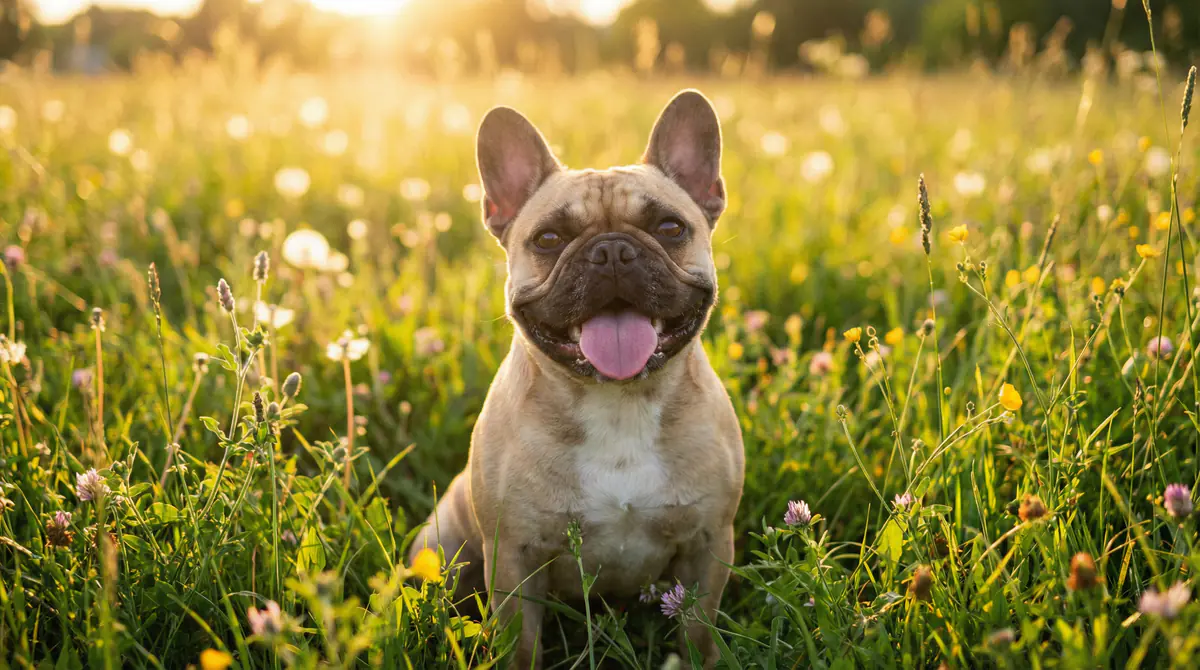
Frenchies can look “chunky” while still healthy, or slim while needing muscle. Combine scale trends with rib feel, waist, and your vet’s hands on exam.
They often reach height sooner than they finish filling out; weight can climb later as muscle arrives, context matters.
If numbers jump quickly, check whether treats, human food, or meal measurement drifted, small dogs show pounds fast.
Exercise tolerance is limited by airway and heat, not laziness. A struggling pup needs rest, shade, and sometimes urgent care.
Snorting can be common; distress is different: blue gums, constant coughing, collapsing, or inability to settle.
Because they swallow air, meal pacing matters as much as calories.
Un chiot, ce n’est pas qu’une phase : c’est une pile d’étapes différentes. Servez-vous de cela comme fil conducteur, pas comme loi absolue.
Heat, sleep, potty, gentle exposure.
Manners without breathless sessions.
Consistency and airway aware outings.
Long term comfort habits.
Nous associons quelques grandes familles utiles au quotidien (sommeil, marche, repas…) avec les réglages de gabarit et de croissance : des idées souvent très bien notées, cohérentes avec vos paramètres actuels.
Repas, sorties, éducation, maison, prévention — rédigé pour celles et ceux qui viennent de regarder la courbe de poids.
Small meals spread through the day can be easier than one huge bowl.
Measure food; treats add up fast on a 20 lb frame.
Discuss kibble vs other formats with your vet if there is reflux or gas drama.
Sniff walks and gentle play beat forced cardio.
Indoor enrichment counts on hot days.
Stop if breathing worsens or gum color looks wrong, when unsure, call.
Keep sessions short; frustration + heat = bad combo.
Housetraining may take longer, consistency wins.
Socialize gently; chaos can overstimulate brachy pups.
Cool sleeping spot in summer; avoid sun trap rooms.
Limit stairs if your vet advises for your individual pup.
Airway assessments are breed relevant; your vet guides timing and options.
Skin and ear issues are common, early treatment prevents chronic itch cycles.
Discuss IVDD awareness and jumping habits.
En cas de doute, appelez surtout avec un chiot. Cette liste n’est ni exhaustive ni un guide d’urgence ; ce sont des rappels que beaucoup de cliniques veulent entendre tôt.
Information générale seulement : pas un avis médical ni un substitut à l’examen et au plan d’un vétérinaire diplômé. Les estimations et astuces ne diagnostiquent pas ; en cas de souci sanitaire, contactez votre clinique.
Playful, adaptable, and smart
Non-Sporting
Petit
10-12 years
12 mois
Due to their flat faces, they can swallow air while eating. Slow-feed bowls are highly recommended.
Frenchie, Blue Frenchie, Fluffy Frenchie
20-28 lb
11-13 po de haut
16-24 lb
11-13 po de haut
Frenchies reach their adult height quickly but can continue to broaden and gain muscle until age 2.
Miniature Bulldogs existed in England during the Industrial Revolution. When lace workers emigrated to France for work, many took small Bulldogs with them. In Paris those dogs met local terrier types and other compact companions, and the French Bulldog as a city dog took shape.
The breed became a fashionable Parisian pet: portable, expressive, and suited to apartment life long before “apartment dogs” were a marketing category. Bat ears, now a signature, were fixed as breeders and fanciers argued aesthetics until the modern look won out.
Frenchies exploded in global popularity in the twenty-first century. That demand reshaped breeding pools and health conversations. Knowing they were built as companions, not athletes, helps make sense of heat sensitivity, airway limits, and exercise expectations today.
Le simulateur s’appuie sur l’âge et le poids du moment pour estimer le gabarit adulte. Comme la croissance est très rapide au début puis ralentit, l’ajustement tient compte de l’étape où se trouve votre French Bulldog.
Un French Bulldog est en général proche de sa taille adulte vers 12 mois. Plus le chiot vieillit et plus une part de la croissance est déjà faite, plus l’estimation se stabilise.
La plupart des adultes French Bulldog se situent habituellement entre 16 et 28 lb. Vous pouvez estimer très jeune, mais la fiabilité grimpe souvent après ~12 semaines.
Réponses directes sur la taille, la croissance, l’alimentation et comment utiliser ce simulateur avec votre véto.
Adult Frenchies are usually quoted around 16–28 lb, with males often toward roughly 20–28 lb and females toward roughly 16–24 lb. They tend to reach height on a quicker timeline than they finish filling out with muscle—sometimes closer to two years for final condition. Small shifts on the scale show up fast on a compact dog, so consistent weigh-ins help.
Frenchies have short muzzles, so they often hit “done for now” sooner in heat and humidity than longer-nosed dogs. Walk at the coolest times, keep sessions short, use a harness that avoids throat pressure, and end play while your pup is still happy—not gasping. Indoors, scent games and training reps burn energy without turning every day into a heat slog.
Many swallow extra air while eating, which can mean gas and discomfort. Slow-feed bowls or spreading kibble on a mat are common ways to slow the meal down. Meal structure also makes it easier to notice real appetite changes versus “always hungry” habit.
Extra weight adds load on a small frame and can make warm-day walks feel harder than they need to. Your projection from the calculator should sit next to body condition—waist from above and ribs you can feel—not replace them. If weight climbs quickly, review treats, human food, and measurement drift before changing food on your own.
Height often comes together earlier than final body condition; some dogs keep broadening toward the two-year mark. Track gentle trends every few weeks and take monthly standing photos. Because they are small, “a pound or two” is a larger percentage than on a big breed—another reason steady logging helps.
Faites découvrir PetCareCalc à d’autres propriétaires ou gardez le lien pour plus tard.
À essayer aussi : Âge du chien (années chien et humaines) · Quiz des races
Ajoutez gratuitement notre simulateur à votre site.
Toujours en train de défiler ?
Quelques clics rapides, un résultat immédiat et un lien à envoyer dans le groupe — gratuit, sans compte.
C’est partiCroissance estimée pour votre French Bulldog