Graphique personnalisé
Indiquez âge et poids pour voir la courbe de votre chien.
Jusqu’où ira mon Cavalier King Charles Spaniel ? Poids adulte estimé et suivi de croissance.
Nous associons quelques grandes familles utiles au quotidien (sommeil, marche, repas…) avec les réglages de gabarit et de croissance : des idées souvent très bien notées, cohérentes avec vos paramètres actuels.
Grandes cages
Couchages douillets
Harnais prêts sortie
Gamelle interactive
Cavalier puppies are sweet, soft mouthed, and companion bred. Use your growth chart next to gentle exercise, weight discipline, and the vet partnership that matters in this historically affectionate breed.
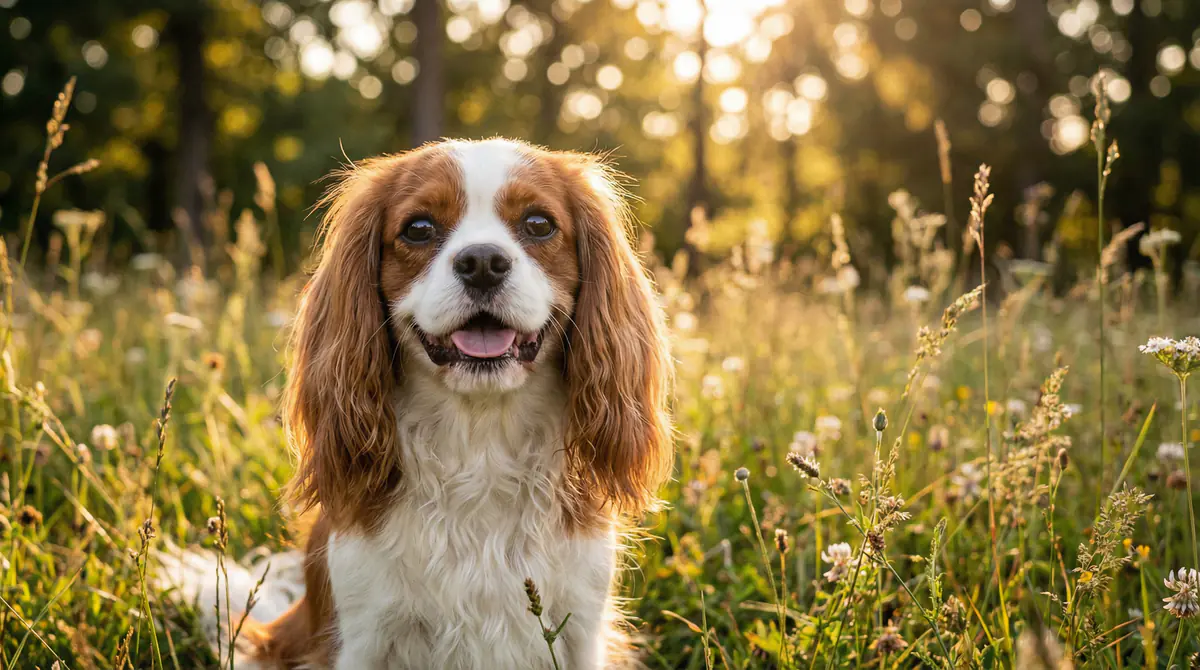
Cavaliers can gain weight “nicely”; the scale and rib feel both matter.
They often mature in height before owners expect; food should follow your vet’s growth plan, not habit.
If your pup is lighter than the midpoint but bright and cleared by your vet, trends beat panic.
Sudden exercise intolerance, cough, or fainting deserve urgent vet attention; do not wait for “maybe teething.”
Ear and eye issues can start young; learn normal for your pup.
Coat hides chub; hands on ribs monthly.
Un chiot, ce n’est pas qu’une phase : c’est une pile d’étapes différentes. Servez-vous de cela comme fil conducteur, pas comme loi absolue.
Routine, sleep, potty, soft handling.
Skills before adolescence.
Polish manners; watch weight.
Stable habits, lifelong lean.
Nous associons quelques grandes familles utiles au quotidien (sommeil, marche, repas…) avec les réglages de gabarit et de croissance : des idées souvent très bien notées, cohérentes avec vos paramètres actuels.
Repas, sorties, éducation, maison, prévention — rédigé pour celles et ceux qui viennent de regarder la courbe de poids.
Measured meals; your vet sets puppy feeding intervals.
Training treats must be tiny and counted.
Discuss diet changes if tear staining or GI issues appear; your vet guides.
Multiple short walks often beat one long slog for a young pup.
Swimming can be lovely when safe and vet approved.
End before overtired mouthiness.
Separation practice early prevents panic later.
Reward calm; excitement practiced becomes default.
Socialization is gentle novelty, not chaos.
Soft bedding; jumping off tall furniture is worth managing.
Rotate toys to reduce boredom barking.
Follow the wellness schedule your veterinarian recommends for your region.
Heart and other inherited concerns are breed discussion topics; your vet personalizes what to monitor and when.
Dental care starts with tolerance.
En cas de doute, appelez surtout avec un chiot. Cette liste n’est ni exhaustive ni un guide d’urgence ; ce sont des rappels que beaucoup de cliniques veulent entendre tôt.
Information générale seulement : pas un avis médical ni un substitut à l’examen et au plan d’un vétérinaire diplômé. Les estimations et astuces ne diagnostiquent pas ; en cas de souci sanitaire, contactez votre clinique.
Affectionate, graceful, and gentle
Toy
Petit
12-15 years
12 mois
Cavalier, CKCS
13-18 lb
12-13 po de haut
13-18 lb
12-13 po de haut
The Cavalier descends from toy spaniels prized in British courts for centuries. Mid twentieth century breeders sought to recreate the longer muzzled “old type” spaniel seen in paintings, distinct from the shorter faced King Charles Spaniel.
The result was a small sporting spaniel: happy on the sofa, willing on a walk, and soft with people.
Modern Cavaliers are beloved family dogs worldwide. Their history as lap companions explains their people focus; responsible breeding and vet care address health topics the public rightly asks about.
Le simulateur s’appuie sur l’âge et le poids du moment pour estimer le gabarit adulte. Comme la croissance est très rapide au début puis ralentit, l’ajustement tient compte de l’étape où se trouve votre Cavalier King Charles Spaniel.
Un Cavalier King Charles Spaniel est en général proche de sa taille adulte vers 12 mois. Plus le chiot vieillit et plus une part de la croissance est déjà faite, plus l’estimation se stabilise.
La plupart des adultes Cavalier King Charles Spaniel se situent habituellement entre 13 et 18 lb. Vous pouvez estimer très jeune, mais la fiabilité grimpe souvent après ~12 semaines.
Réponses directes sur la taille, la croissance, l’alimentation et comment utiliser ce simulateur avec votre véto.
Adult Cavaliers are usually small: many fall in roughly a 13–18 lb range. Extra weight shows up fast on a little frame, so “a pound or two” is a big deal on the trend line. Use the calculator with monthly photos and rib checks, not guesswork from coat fluff alone.
Many Cavaliers mature in height sooner than new owners expect—often within roughly the first year—while condition still needs watching for life. Food should follow measured portions and your weight log, not an outdated “puppy appetite” habit. Weigh every few weeks when young and keep training treats tiny and counted.
They are companion dogs first—short, happy training sessions, polite greetings, and a predictable routine prevent “Velcro chaos” from turning into constant carrying and snack bribes. Cavaliers train beautifully for food, so log treats as part of dinner. A lean, well-exercised adult is usually more up for long sniff walks and cafe patios.
Muzzle length varies by individual; some dogs tolerate heat better than others. Use a harness that fits well, keep walks shorter in hot weather, and stop if your pup is slowing down more than peers or taking longer to catch their breath in the shade. Finish the day with indoor games when the sidewalk is still hot.
Same scale, same routine, and look at weeks-long trends. Cavaliers can gain weight “nicely” while coat hides it—hands-on rib checks monthly matter. If energy or play drive drifts down for many days while food stayed the same, cross-check whether treats, table food, or a new routine changed before you blame “mood.”
Faites découvrir PetCareCalc à d’autres propriétaires ou gardez le lien pour plus tard.
À essayer aussi : Âge du chien (années chien et humaines) · Quiz des races
Ajoutez gratuitement notre simulateur à votre site.
Toujours en train de défiler ?
Quelques clics rapides, un résultat immédiat et un lien à envoyer dans le groupe — gratuit, sans compte.
C’est partiCroissance estimée pour votre Cavalier King Charles Spaniel