Graphique personnalisé
Indiquez âge et poids pour voir la courbe de votre chien.
Jusqu’où ira mon Pug ? Poids adulte estimé et suivi de croissance.
Nous associons quelques grandes familles utiles au quotidien (sommeil, marche, repas…) avec les réglages de gabarit et de croissance : des idées souvent très bien notées, cohérentes avec vos paramètres actuels.
Grandes cages
Couchages douillets
Harnais prêts sortie
Gamelle interactive
Pug puppies are ancient companions with modern heat and airway homework. Your weight estimate only helps if you pair it with leanness, brachycephalic safety, and eyes that need protection.
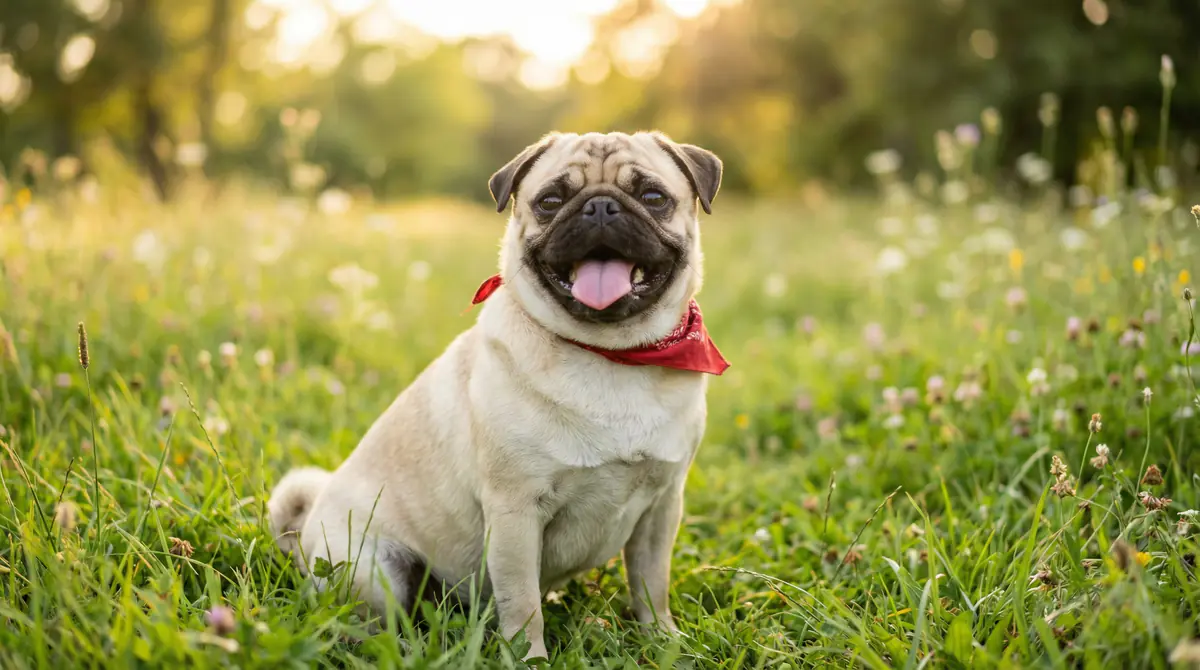
Pugs show pounds fast; lean protects airway load and joints.
Wrinkles need a care plan from your vet, not guesswork.
If breathing is noisy, learn your baseline so you notice worse days.
Distress signs: blue gums, constant cough, collapse, inability to settle; urgent.
Eyes are exposed; injuries escalate quickly.
Heat shrinks safe exercise to short windows.
Un chiot, ce n’est pas qu’une phase : c’est une pile d’étapes différentes. Servez-vous de cela comme fil conducteur, pas comme loi absolue.
Routine, potty, folds, calm exposure.
Short sessions, impulse games.
Weight discipline and manners.
Lean life, lifelong vet partnership.
Nous associons quelques grandes familles utiles au quotidien (sommeil, marche, repas…) avec les réglages de gabarit et de croissance : des idées souvent très bien notées, cohérentes avec vos paramètres actuels.
Repas, sorties, éducation, maison, prévention — rédigé pour celles et ceux qui viennent de regarder la courbe de poids.
Measured meals; multiple small meals may help gulping; ask your vet.
Treats are tiny and counted.
Rich scraps are risky; pancreatitis happens in small dogs.
Sniff walks and play, not heat stress.
Indoor games on hot days.
Swimming only with safety and vet approval; some Pugs are not natural swimmers.
Reward calm; excitement becomes habit.
Socialization gentle and short.
Separation practice early.
Cool sleeping spot in summer.
Eye safe environment; watch wagging tails at face height.
Airway and eye conversations belong in routine care; your vet personalizes.
Dental crowding is common; plan early.
Parasite control per region.
En cas de doute, appelez surtout avec un chiot. Cette liste n’est ni exhaustive ni un guide d’urgence ; ce sont des rappels que beaucoup de cliniques veulent entendre tôt.
Information générale seulement : pas un avis médical ni un substitut à l’examen et au plan d’un vétérinaire diplômé. Les estimations et astuces ne diagnostiquent pas ; en cas de souci sanitaire, contactez votre clinique.
Charming, mischievous, and loving
Toy
Petit
12-15 years
12 mois
14-18 lb
10-13 po de haut
14-18 lb
10-13 po de haut
Pugs trace back over a thousand years to lapdogs cherished in Chinese imperial courts, later traded along silk routes into Europe where they became favorites of royalty and artists alike.
Their motto multum in parvo, a lot in a little, fits their personality and their challenges.
Today’s Pug is a companion first. That history explains devotion and humor; anatomy explains why heat, exercise, and weight are not cosmetic concerns.
Le simulateur s’appuie sur l’âge et le poids du moment pour estimer le gabarit adulte. Comme la croissance est très rapide au début puis ralentit, l’ajustement tient compte de l’étape où se trouve votre Pug.
Un Pug est en général proche de sa taille adulte vers 12 mois. Plus le chiot vieillit et plus une part de la croissance est déjà faite, plus l’estimation se stabilise.
La plupart des adultes Pug se situent habituellement entre 14 et 18 lb. Vous pouvez estimer très jeune, mais la fiabilité grimpe souvent après ~12 semaines.
Réponses directes sur la taille, la croissance, l’alimentation et comment utiliser ce simulateur avec votre véto.
Adult Pugs are small but compact—often quoted around 14–18 lb. Extra weight shows up fast and makes warm-day walks feel harder, so lean is protective, not mean. Use the calculator to track gentle trends and compare month to month with waist photos and rib feel.
Many are largely done growing in height by about a year, but weight and exercise comfort need lifelong attention. Weigh every few weeks, take monthly waist photos, and log training treats—Pugs train with pathos and can vacuum up sympathy snacks.
Short muzzles mean comfortable exercise windows shrink in heat and humidity. Walk at cooler times, use a harness that avoids throat pressure, and never leave them in a hot car. End outdoor play while your pup still has bounce, then shift tricks and mat work indoors when the sidewalk is hot.
Their eyes sit a bit more forward, so use soft toys, teach calm greetings, and manage rowdy play when tails are swinging at face height. Keep face folds gently wiped as part of a normal handling routine—same time as brush or teeth so it is boring, not a battle. Dental crowding is common; early tolerance training helps later care.
Pair numbers with how your dog feels on walks: even a few pounds can matter on a small frame. Slow feeders can help if your pup gulps air; rich table scraps pack calories small dogs do not need. Log treats honestly so the curve reflects real life, not “just bites.”
Faites découvrir PetCareCalc à d’autres propriétaires ou gardez le lien pour plus tard.
À essayer aussi : Âge du chien (années chien et humaines) · Quiz des races
Ajoutez gratuitement notre simulateur à votre site.
Toujours en train de défiler ?
Quelques clics rapides, un résultat immédiat et un lien à envoyer dans le groupe — gratuit, sans compte.
C’est partiCroissance estimée pour votre Pug