Graphique personnalisé
Indiquez âge et poids pour voir la courbe de votre chien.
Jusqu’où ira mon White Swiss Shepherd ? Poids adulte estimé et suivi de croissance.
Nous associons quelques grandes familles utiles au quotidien (sommeil, marche, repas…) avec les réglages de gabarit et de croissance : des idées souvent très bien notées, cohérentes avec vos paramètres actuels.
Grandes cages
Couchages douillets
Harnais prêts sortie
Gamelle interactive
White Swiss Shepherd puppies are white herders with a gentle reputation and serious brains. Your growth chart pairs with large-breed joint sense, coat honesty, and training that builds confidence before adolescent size and sensitivity peak.
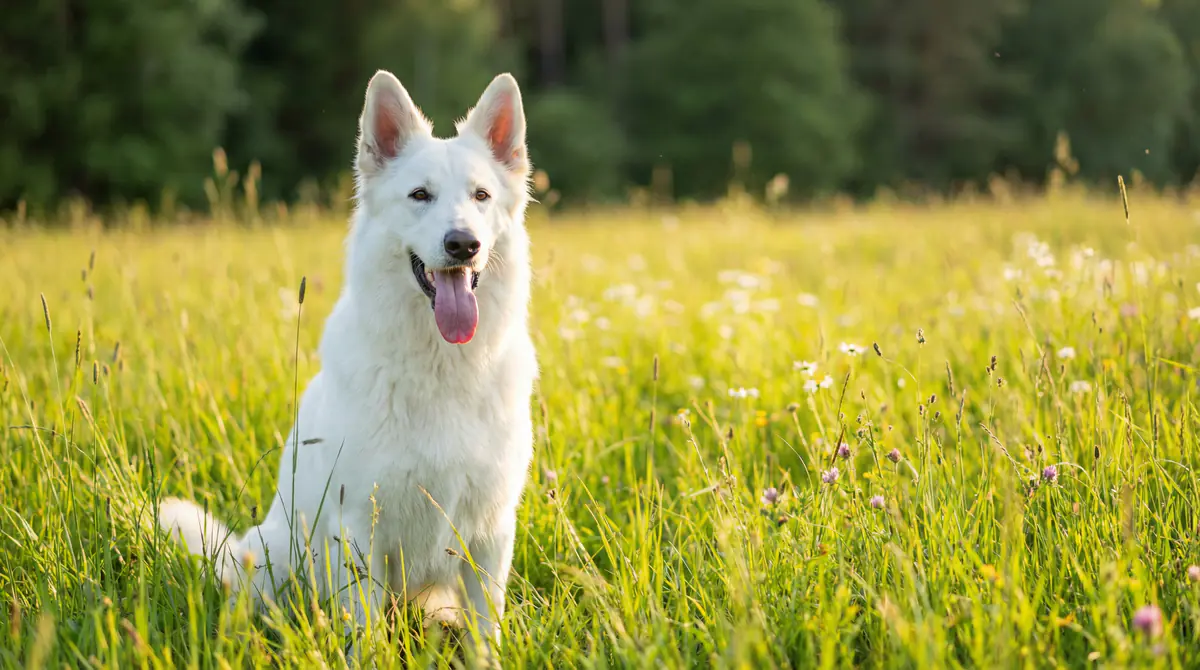
White Swiss Shepherds grow large; your veterinarian may recommend large-breed puppy nutrition for steady growth. Read the calculator as a months-long trend, not one weigh-in versus random internet dogs.
Coat lies about weight; hands-on rib checks and standing photos monthly keep mud and fluff from hiding drift.
When vertical growth eases, treat drift climbs if exercise drops but appetite does not—gentle reputation does not mean low calorie needs.
Sensitivity and sound reactivity appear in some lines; lower intensity and increase distance when arousal spikes—flooding builds panic, not confidence.
They train enthusiastically; measured meals keep smarts from becoming roundness.
Teen regression is normal; shorten criteria, pay more for basics, involve qualified trainers early if fear barking escalates.
Un chiot, ce n’est pas qu’une phase : c’est une pile d’étapes différentes. Servez-vous de cela comme fil conducteur, pas comme loi absolue.
Routine, confidence, gentle handling.
Skills before adolescence.
Joint care + consistency.
Strength without bulk chasing.
Nous associons quelques grandes familles utiles au quotidien (sommeil, marche, repas…) avec les réglages de gabarit et de croissance : des idées souvent très bien notées, cohérentes avec vos paramètres actuels.
Repas, sorties, éducation, maison, prévention — rédigé pour celles et ceux qui viennent de regarder la courbe de poids.
Your veterinarian may recommend large-breed puppy feeding to align calories and minerals with steady growth.
Split meals if your dog gulps; calmer post-meal minutes pair well with deep-chested breeds.
Treats are food; polite white dogs still overeat if every guest pays in sausage.
Tug with rules, retrieve on soft grass, sniff walks, and thinking work beat forced mileage on pavement while young.
Avoid repetitive high jumps and endless stairs while growth plates are open.
End if limping or if the next morning is stiff.
Teach off switch: mat, crate chill—brains need brakes, not only reps.
Socialization includes sounds and surfaces at tolerable distances.
If alarm barking spikes, reduce triggers and increase distance; rehearsing frenzy makes it default.
Rotate calm periods between training and play; overtired adolescents bark and bite harder.
White coat shows mud; towel by the door and paw rinse reduce indoor chaos.
Hips, elbows, eyes, and cardiac topics appear in herding programs; your vet personalizes screening.
Dental tolerance training while young pays off for life.
Parasite control should match your region and lifestyle.
En cas de doute, appelez surtout avec un chiot. Cette liste n’est ni exhaustive ni un guide d’urgence ; ce sont des rappels que beaucoup de cliniques veulent entendre tôt.
Information générale seulement : pas un avis médical ni un substitut à l’examen et au plan d’un vétérinaire diplômé. Les estimations et astuces ne diagnostiquent pas ; en cas de souci sanitaire, contactez votre clinique.
Gentle, loyal, and intelligent
Herding
Grand
12-14 years
18 mois
Berger Blanc Suisse
55-88 lb
24-26 po de haut
55-88 lb
22-24 po de haut
The White Swiss Shepherd (Berger Blanc Suisse) descends from white-coated herding lines related to German Shepherd ancestry, developed as a separate breed emphasizing stable temperament and versatility.
They are athletic herders; “gentle” does not mean no exercise.
Modern BBS dogs thrive on training, socialization, and clear boundaries.
Le simulateur s’appuie sur l’âge et le poids du moment pour estimer le gabarit adulte. Comme la croissance est très rapide au début puis ralentit, l’ajustement tient compte de l’étape où se trouve votre White Swiss Shepherd.
Un White Swiss Shepherd est en général proche de sa taille adulte vers 18 mois. Plus le chiot vieillit et plus une part de la croissance est déjà faite, plus l’estimation se stabilise.
La plupart des adultes White Swiss Shepherd se situent habituellement entre 55 et 88 lb. Vous pouvez estimer très jeune, mais la fiabilité grimpe souvent après ~12 semaines.
Faites découvrir PetCareCalc à d’autres propriétaires ou gardez le lien pour plus tard.
À essayer aussi : Âge du chien (années chien et humaines) · Quiz des races
Ajoutez gratuitement notre simulateur à votre site.
Toujours en train de défiler ?
Quelques clics rapides, un résultat immédiat et un lien à envoyer dans le groupe — gratuit, sans compte.
C’est partiCroissance estimée pour votre White Swiss Shepherd