Graphique personnalisé
Indiquez âge et poids pour voir la courbe de votre chien.
Jusqu’où ira mon Doberman Pinscher ? Poids adulte estimé et suivi de croissance.
Nous associons quelques grandes familles utiles au quotidien (sommeil, marche, repas…) avec les réglages de gabarit et de croissance : des idées souvent très bien notées, cohérentes avec vos paramètres actuels.
Grandes cages
Couchages douillets
Harnais prêts sortie
Gamelle interactive
Doberman puppies are athletic, sensitive guardians in a sleek package. Your projection should pair with lean growth, careful exercise while young, and training that builds confidence without fear.
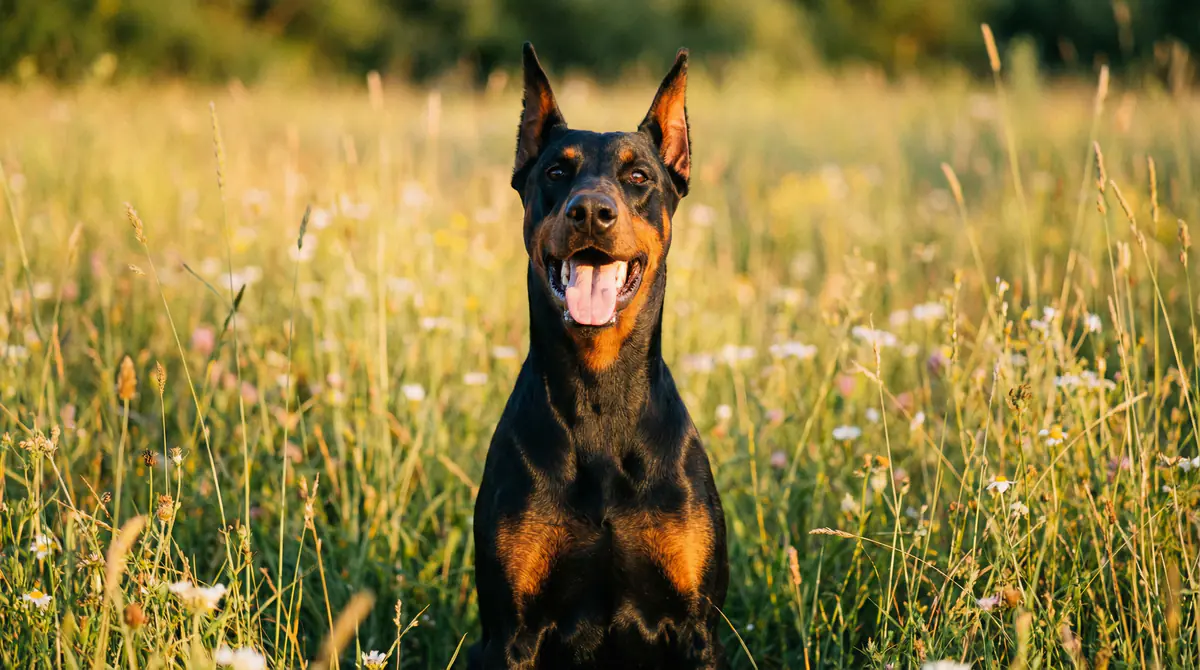
Dobes often look lean during growth; compare muscle, ribs, and vet exam to the chart.
Lines vary in size and drive; trends beat one weigh in.
If weight climbs while exercise drops, adjust food with vet help.
Deep chested dogs should discuss bloat awareness with their vet as lifelong habits form.
Heat sensitivity varies; black coats warm fast.
Sudden weakness or collapse during exercise is always urgent.
Un chiot, ce n’est pas qu’une phase : c’est une pile d’étapes différentes. Servez-vous de cela comme fil conducteur, pas comme loi absolue.
Routine, gentle handling, safe socialization.
Before adolescence intensity.
Consistency beats drama.
Strength arrives with patience.
Nous associons quelques grandes familles utiles au quotidien (sommeil, marche, repas…) avec les réglages de gabarit et de croissance : des idées souvent très bien notées, cohérentes avec vos paramètres actuels.
Repas, sorties, éducation, maison, prévention — rédigé pour celles et ceux qui viennent de regarder la courbe de poids.
Large breed puppy diet if your vet recommends it.
Measured meals; slow switches between foods.
Treats in training stay small; Dobes learn fast.
Free play, swimming, varied walking beat forced pavement miles for puppies.
End before overtired crankiness.
Heat plan: morning/evening in warm months.
Reward quiet; do not accidentally reinforce alarm barking with yelling.
Clear rules and consistency; Dobes read tension.
Socialization is distance and pairing, not flooding.
Predictable routines reduce anxiety.
Secure fencing; adolescent testing happens.
Wellness schedule per your vet; discuss breed relevant screening timelines professionally.
Weight logs help visits.
Dental tolerance training early.
En cas de doute, appelez surtout avec un chiot. Cette liste n’est ni exhaustive ni un guide d’urgence ; ce sont des rappels que beaucoup de cliniques veulent entendre tôt.
Information générale seulement : pas un avis médical ni un substitut à l’examen et au plan d’un vétérinaire diplômé. Les estimations et astuces ne diagnostiquent pas ; en cas de souci sanitaire, contactez votre clinique.
Loyal, fearless, and alert
Working
Grand
10-12 years
18 mois
Doberman, Dobie, European Doberman, American Doberman, Euro Doberman
60-100 lb
26-28 po de haut
60-100 lb
24-26 po de haut
Louis Dobermann, a German tax collector, sought a loyal protection dog in the late 1800s. He blended local pinscher, rottweiler, shepherd, and other working types into a sharp, trainable guardian.
The breed became a military and police staple, then a precision sport dog, then a deeply bonded family dog in the right hands.
Modern Dobermans are people oriented and energetic. Their history explains protectiveness and reactivity if undersocialized; it also explains why fair training and early positive exposure matter so much.
Le simulateur s’appuie sur l’âge et le poids du moment pour estimer le gabarit adulte. Comme la croissance est très rapide au début puis ralentit, l’ajustement tient compte de l’étape où se trouve votre Doberman Pinscher.
Un Doberman Pinscher est en général proche de sa taille adulte vers 18 mois. Plus le chiot vieillit et plus une part de la croissance est déjà faite, plus l’estimation se stabilise.
La plupart des adultes Doberman Pinscher se situent habituellement entre 60 et 100 lb. Vous pouvez estimer très jeune, mais la fiabilité grimpe souvent après ~12 semaines.
Réponses directes sur la taille, la croissance, l’alimentation et comment utiliser ce simulateur avec votre véto.
Adult Dobermans are large dogs, often quoted around 60–100 lb, with males frequently taller and heavier than females (your breed profile lists roughly 26–28" males and 24–26" females). Lines vary in size and drive. Use the calculator to compare your puppy to its own past weights and photos—not to strangers on social media.
Many are still filling out through the second year and beyond; strength and maturity arrive with patience. Dobes often look lean during growth—compare muscle, ribs, and energy to the chart. If weight climbs while exercise drops, trim treats and re-measure meals before you assume they need more food. Teen regression in training is normal; raise reward rate and lower difficulty.
Large, athletic puppies often do well with daily food split into several measured meals instead of one huge bowl. Many households keep the window right after a big meal lower-key than sprint-and-wrestle play—think sniff games, chews, or training on the mat. Log meal times with your weights so you can spot whether late snacks are bending the curve.
Think free play, swimming when safe, and varied walking—not forced jogging programs on pavement while they are young. Heat hits black coats fast; plan water, shade, and cooler times of day. Stop if your pup looks wiped or sore the next day; stack easy sniff days before you repeat a hard outing.
Log weights every few weeks and take monthly standing photos. Pair the chart with a large-breed puppy food and portions matched to your trend, not to begging volume. Fair training and early positive socialization matter as much as the number on the scale for a confident adult.
Faites découvrir PetCareCalc à d’autres propriétaires ou gardez le lien pour plus tard.
À essayer aussi : Âge du chien (années chien et humaines) · Quiz des races
Ajoutez gratuitement notre simulateur à votre site.
Toujours en train de défiler ?
Quelques clics rapides, un résultat immédiat et un lien à envoyer dans le groupe — gratuit, sans compte.
C’est partiCroissance estimée pour votre Doberman Pinscher