Graphique personnalisé
Indiquez âge et poids pour voir la courbe de votre chien.
Jusqu’où ira mon Chow Chow ? Poids adulte estimé et suivi de croissance.
Nous associons quelques grandes familles utiles au quotidien (sommeil, marche, repas…) avec les réglages de gabarit et de croissance : des idées souvent très bien notées, cohérentes avec vos paramètres actuels.
Grandes cages
Couchages douillets
Harnais prêts sortie
Gamelle interactive
Chow Chow puppies are serious-minded lions with a blue tongue and strong opinions. Your growth chart pairs with double-coat honesty, heat planning, and training that respects dignity without letting stubbornness run the household.
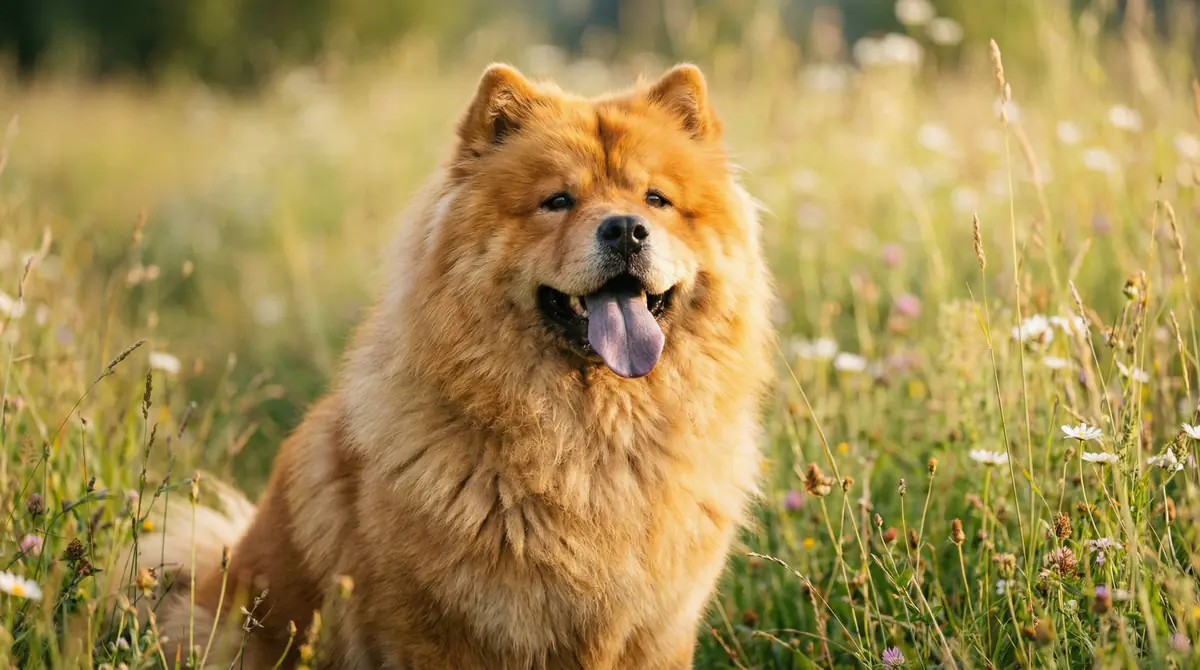
Chow Chows are dense and heavy-boned; the number on the scale should be read next to muscle, coat, and energy—not next to a generic midpoint. If your pup is lighter or heavier than the chart but your veterinarian likes condition, trust the trend more than a single target.
The mane and trousers lie about padding; line-comb to the skin on a schedule and pair that with hands-on rib checks so early weight creep cannot hide in fluff.
When height growth slows, appetite often stays enthusiastic—treat drift and smaller walks show up on the curve before owners notice visually.
Heat and humidity punish double coats; favor morning and evening walks, shade breaks, and indoor brain games when the index is cruel.
Chows partner when consistency is clear; measured meals and predictable routines beat bargaining at every meal.
Teen regression in manners is normal; shorten sessions, raise reward rate, and revisit skills you thought were finished.
Un chiot, ce n’est pas qu’une phase : c’est une pile d’étapes différentes. Servez-vous de cela comme fil conducteur, pas comme loi absolue.
Routine, gentle handling, calm exposure.
Skills before suspicion hardens.
Clarity + exercise in cool windows.
Partnership steadies.
Nous associons quelques grandes familles utiles au quotidien (sommeil, marche, repas…) avec les réglages de gabarit et de croissance : des idées souvent très bien notées, cohérentes avec vos paramètres actuels.
Repas, sorties, éducation, maison, prévention — rédigé pour celles et ceux qui viennent de regarder la courbe de poids.
Your veterinarian should set starting calories and adjust to your puppy’s growth curve; steady gain beats racing the scale.
Measured meals make training and appetite changes legible—free feeding hides patterns.
Transition diets over about a week unless your vet prescribes a faster plan; gut upset obscures whether portions fit.
Moderate walks, sniffing, and age-appropriate play fit most puppies better than forcing miles for exhaustion.
End sessions before distress panting; heavy coat plus humidity stacks risk fast.
Avoid midday heat; carry water and plan cool-down time indoors after summer outings.
Fair consistency beats battles; Chows notice unfairness and shut down or push back.
Socialization is pairing and distance—novelty with a positive tail wag, not forced petting from strangers.
Teach mat or place as an off-switch; calm should be a trained skill, not luck.
Cool rest areas in warm weather—tile, fans, and AC breaks matter more than pride about “toughness.”
Rotate enrichment so boredom does not route to barking or destructive digging.
Hips, elbows, eyes, entropion, thyroid, and cardiac topics appear in Chow education; your vet personalizes screening and watch items.
Dental tolerance training while young pays off for life; small mouths still need routine care.
Parasite prevention should match your region—ticks, heartworm, and intestinal parasites vary by geography.
En cas de doute, appelez surtout avec un chiot. Cette liste n’est ni exhaustive ni un guide d’urgence ; ce sont des rappels que beaucoup de cliniques veulent entendre tôt.
Information générale seulement : pas un avis médical ni un substitut à l’examen et au plan d’un vétérinaire diplômé. Les estimations et astuces ne diagnostiquent pas ; en cas de souci sanitaire, contactez votre clinique.
Dignified, serious, and independent
Non-Sporting
Grand
8-12 years
17 mois
55-70 lb
19-22 po de haut
45-60 lb
18-20 po de haut
Chow Chows are an ancient northern Chinese breed used for hunting, guarding, and draft-style work, famous for a dense coat and aloof reserve with strangers.
They are not Lab-style eager pleasers; partnership is built on consistency.
Modern Chows need early socialization and clear boundaries; neglected training yields a powerful adult no one can move.
Le simulateur s’appuie sur l’âge et le poids du moment pour estimer le gabarit adulte. Comme la croissance est très rapide au début puis ralentit, l’ajustement tient compte de l’étape où se trouve votre Chow Chow.
Un Chow Chow est en général proche de sa taille adulte vers 17 mois. Plus le chiot vieillit et plus une part de la croissance est déjà faite, plus l’estimation se stabilise.
La plupart des adultes Chow Chow se situent habituellement entre 45 et 70 lb. Vous pouvez estimer très jeune, mais la fiabilité grimpe souvent après ~12 semaines.
Faites découvrir PetCareCalc à d’autres propriétaires ou gardez le lien pour plus tard.
À essayer aussi : Âge du chien (années chien et humaines) · Quiz des races
Ajoutez gratuitement notre simulateur à votre site.
Toujours en train de défiler ?
Quelques clics rapides, un résultat immédiat et un lien à envoyer dans le groupe — gratuit, sans compte.
C’est partiCroissance estimée pour votre Chow Chow