Graphique personnalisé
Indiquez âge et poids pour voir la courbe de votre chien.
Jusqu’où ira mon Azawakh ? Poids adulte estimé et suivi de croissance.
Nous associons quelques grandes familles utiles au quotidien (sommeil, marche, repas…) avec les réglages de gabarit et de croissance : des idées souvent très bien notées, cohérentes avec vos paramètres actuels.
Grandes cages
Couchages douillets
Harnais prêts sortie
Gamelle interactive
Azawakh puppies are Sahel sighthounds: tall, fine-boned, and deeply bonded to family. Your growth chart pairs with lean-condition honesty, heat and cold planning, and training that respects reserve without letting independence become “unreachable.”
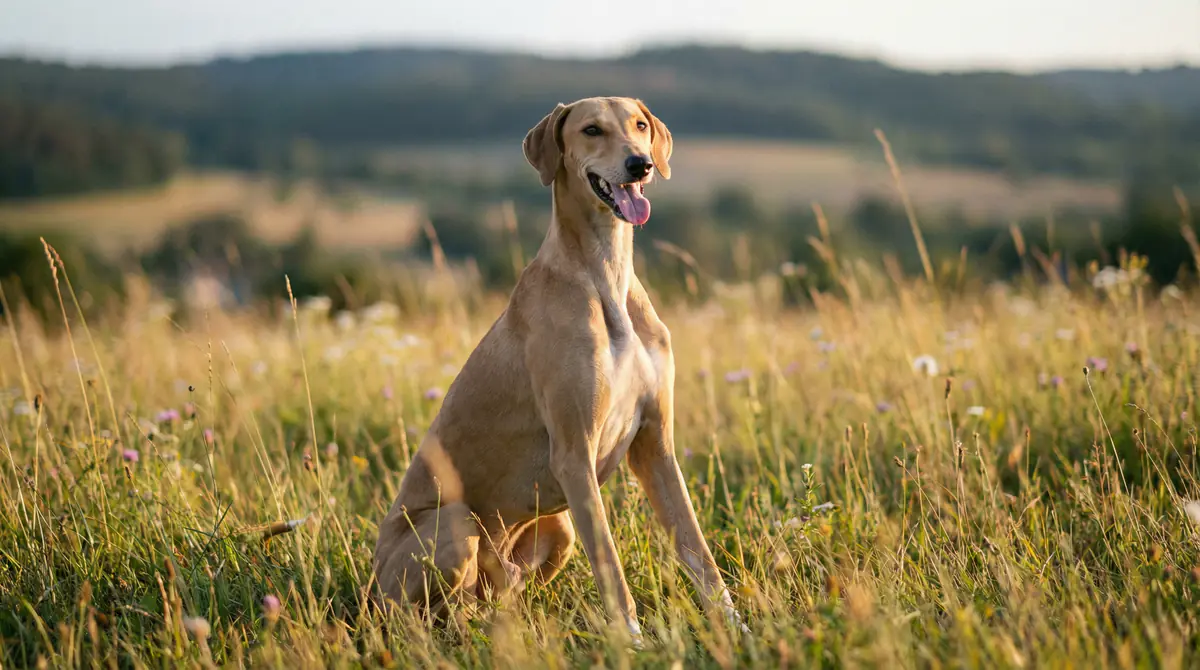
Azawakhs are tall and fine-boned; a lean look can still be healthy while your veterinarian confirms condition—compare trends over weeks, not one weigh-in against a fluffier breed on social media.
Muscle and coat change silhouette; hands-on rib checks and a standing photo from above each month keep “too thin” guest comments from hiding real drift.
When vertical growth eases, treat drift climbs fast if exercise drops but bowl size stays generous.
Cold wet weather hits them harder than heavy-coated breeds; plan shorter outings, dry rest, and clothing or limits with veterinary input—not guesswork.
Off-leash near traffic or loose wildlife is gambling; prey drive and speed do not negotiate.
Sensitivity is common; patient, fair training builds trust; harsh corrections often produce shutdown or avoidance.
Un chiot, ce n’est pas qu’une phase : c’est une pile d’étapes différentes. Servez-vous de cela comme fil conducteur, pas comme loi absolue.
Routine, gentle handling, calm exposure.
Leash and recall foundations.
Channel speed safely.
Partnership deepens.
Nous associons quelques grandes familles utiles au quotidien (sommeil, marche, repas…) avec les réglages de gabarit et de croissance : des idées souvent très bien notées, cohérentes avec vos paramètres actuels.
Repas, sorties, éducation, maison, prévention — rédigé pour celles et ceux qui viennent de regarder la courbe de poids.
Your veterinarian sets calories for steady growth on a lean frame; fuel training without racing weight onto light bone.
Measured meals keep reinforcement honest—you are not buying cooperation with hidden second dinners.
Transition foods over ~7 days unless your vet directs otherwise.
Pair short bursts with sniff walks; soft grass beats slick tile sprints while young.
End before exhaustion panting or wobbly gait.
In heat, shorten outings and favor shade and water; in cold wet, favor dry warm-up afterward.
Trust before toughness; cooperation is trained with clarity and patience, not volume.
Socialization is pairing and distance; sub-threshold novelty beats flooding that rehearses suspicion.
Teach mat settle so household life has an off-switch between outings.
Six-foot fence reality check; lean dogs climb and accelerate fast when motivated.
Warm, draft-free rest in cold climates; thin coat and low body fat stack chill risk.
Cardiac, thyroid, and seizure education appear in breed conversations; your vet personalizes screening and watch items.
Dental tolerance training while young pays off for life.
Parasite control should match your region and lifestyle.
En cas de doute, appelez surtout avec un chiot. Cette liste n’est ni exhaustive ni un guide d’urgence ; ce sont des rappels que beaucoup de cliniques veulent entendre tôt.
Information générale seulement : pas un avis médical ni un substitut à l’examen et au plan d’un vétérinaire diplômé. Les estimations et astuces ne diagnostiquent pas ; en cas de souci sanitaire, contactez votre clinique.
Loyal, refined, and independent
Hound
Grand
12-15 years
17 mois
33-55 lb
25-29 po de haut
33-55 lb
23.5-27.5 po de haut
Azawakhs were developed by nomadic peoples of the Sahel and Sahara as coursing hounds and camp guardians, selecting for heat tolerance, speed on lean frame, and fierce loyalty to their people.
They are not generic sighthound stereotypes; they can be protective and opinionated.
Modern Azawakhs need secure space and gentle consistency; harsh handling destroys trust.
Le simulateur s’appuie sur l’âge et le poids du moment pour estimer le gabarit adulte. Comme la croissance est très rapide au début puis ralentit, l’ajustement tient compte de l’étape où se trouve votre Azawakh.
Un Azawakh est en général proche de sa taille adulte vers 17 mois. Plus le chiot vieillit et plus une part de la croissance est déjà faite, plus l’estimation se stabilise.
La plupart des adultes Azawakh se situent habituellement entre 33 et 55 lb. Vous pouvez estimer très jeune, mais la fiabilité grimpe souvent après ~12 semaines.
Faites découvrir PetCareCalc à d’autres propriétaires ou gardez le lien pour plus tard.
À essayer aussi : Âge du chien (années chien et humaines) · Quiz des races
Ajoutez gratuitement notre simulateur à votre site.
Toujours en train de défiler ?
Quelques clics rapides, un résultat immédiat et un lien à envoyer dans le groupe — gratuit, sans compte.
C’est partiCroissance estimée pour votre Azawakh