Personalized chart
Enter age and weight to see your dog's unique trajectory.
How big will my Shih Tzu get? Predict adult weight and track your puppy's development.
We picked these products to help you take better care of your dog day to day—from sleep to safer walks, easier feeding, and a sensible setup at home. Each slot is narrowed to highly rated picks that match your dog’s size and stage.
Roomy crates
Comfy beds
Walk-ready harnesses
Slow feeders
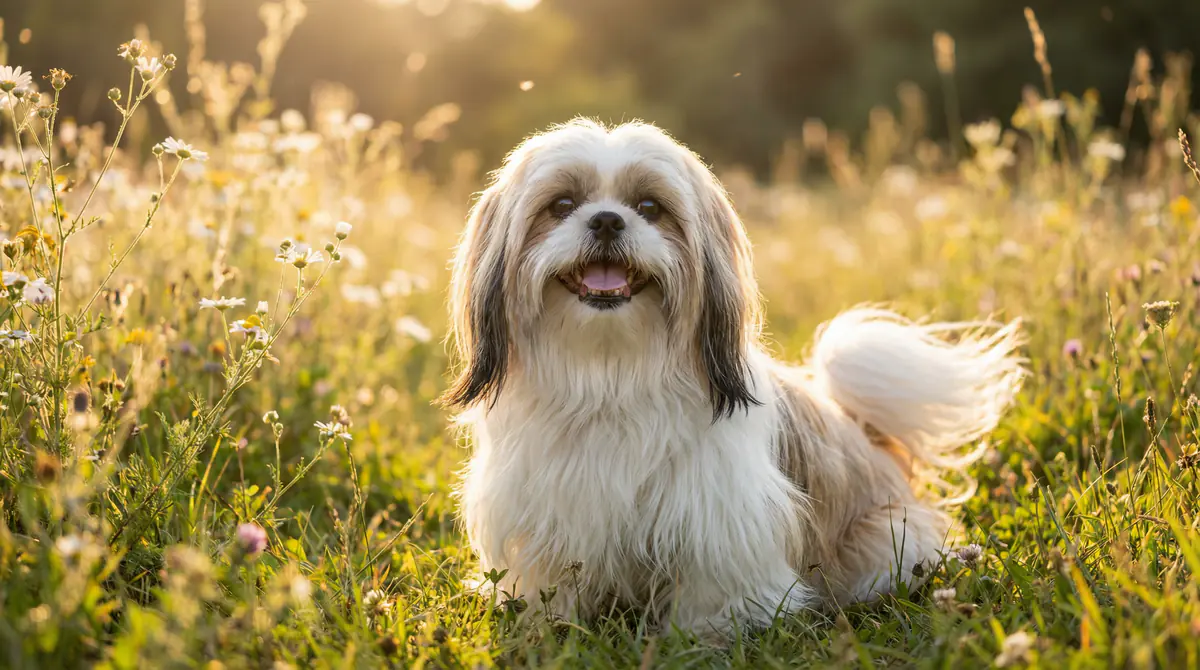
Shih Tzu puppies are companion royalty: affectionate, proud, and brachycephalic enough to need heat and airway smarts. Your weight chart pairs best with grooming tolerance, measured meals, and gentle socialization.
Small dogs gain weight fast; a few ounces matter on a little frame.
Coat style changes silhouette; trust palpation and vet exam.
If appetite swings for several days, note patterns for your vet.
Noisy breathing can be baseline; distress is different: blue gums, constant cough, collapse.
Heat and humidity reduce safe exercise quickly.
Dental crowding is common; start tolerance training early.
Puppyhood is not one stage. It is a stack of different problems and wins. Use this like a timeline, not a rigid rulebook.
Routine, potty, handling, calm world intro.
Train without breathless frustration.
Consistency and calorie watch.
Stable weight and lifelong coat care.
We picked these products to help you take better care of your dog day to day—from sleep to safer walks, easier feeding, and a sensible setup at home. Each slot is narrowed to highly rated picks that match your dog’s size and stage.
Feeding, exercise, training, home setup, and prevention. Each block is written for people who just checked their puppy's weight curve.
Small frequent meals as vet directs when very young.
Measured food; treats are calories.
Discuss kibble size and dental health with your vet.
Sniff walks and gentle play beat forced cardio.
Indoor enrichment counts on hot days.
Carry if overwhelmed in heat.
Reward calm; excitement rehearsed becomes default.
Separation practice early.
Socialization is gentle novelty, not chaos.
Cool rest spots in summer.
Eye and fold care per your vet’s specific instructions.
Vaccines and parasites per your vet.
Airway and eye baselines worth discussing so you know good days from bad.
Dental planning early.
If you are unsure, call your veterinarian, especially with puppies. This list is not complete and does not cover every situation. It is a general reminder of signs many clinics want to hear about.
General educational information only. It is not medical advice and does not replace an exam or treatment plan from a licensed veterinarian. Estimates and tips cannot diagnose illness or emergencies; contact your vet with any health concerns.
Affectionate, playful, and outgoing
Toy
Small
10-18 years
12 months
9-16 lbs
9-10.5" tall
9-16 lbs
9-10.5" tall
The Shih Tzu descends from Tibetan temple dogs crossed into Chinese imperial lapdog lines. Their name means lion dog, a nod to Buddhist lion imagery rather than actual lion behavior.
For centuries they lived as palace companions, prized for charm and portability.
Modern Shih Tzus are beloved family dogs worldwide. That companion history explains their people focus; their short face explains why exercise tolerance and heat safety are not optional.
The calculator uses your puppy's current age and weight to estimate adult size. Because puppies grow fastest early on and then slow down as they mature, the estimate adjusts for the stage of growth your Shih Tzu is in.
Shih Tzus are usually close to full size by around 12 months. As your puppy gets older and more of its growth is already complete, the estimate usually becomes more reliable.
Most adult Shih Tzus fall within a typical weight range of 9-16 lbs. You can use the calculator for younger puppies, but estimates are usually more accurate after about 12 weeks.
Straight answers on size, growth, feeding, and how to use this calculator alongside your veterinarian.
Adult Shih Tzus are small companions, often quoted around 9–16 lb. A small change on the scale is a big percentage for their frame, so ounces matter. Coat length and grooming style change how “big” they look—trust palpation and monthly photos alongside any calculator output.
Many are largely done growing in height by about a year, but weight discipline lasts a lifetime. Very young puppies often do well on small, frequent meals, then you can shift toward measured portions as they settle. Log training treats; they train with charm and can gain weight “nicely” while coat hides it.
Short muzzles mean heat and humidity shrink comfortable exercise time. Walk at cooler hours, use a harness that avoids throat pressure, and end outdoor play while your pup still has bounce. Finish the day with indoor tricks, mat work, and chews when the sidewalk is still hot.
Rich table food packs calories most small puppies do not need. Keep to measured commercial puppy food and tiny training treats so your log stays honest. Slow feeders can help if your pup gulps air while eating; short, gentle face-fold wipe-downs after meals keep routine handling normal.
Weigh every few weeks on the same scale and watch weeks-long trends. Pair grooming tolerance (short calm brush sessions) with a stable routine so stress does not turn into “comfort feeding.” If appetite or energy shifts for many days, compare treat logs and routine changes before you assume the food is wrong.
Share PetCareCalc with other pet parents or save the link to come back later.
Also try: Dog age calculator (dog years and human years) · Dog breed quiz
Add our free embeddable calculator to your site.
Still scrolling?
Five quick taps, an instant match, and a shareable link for the group chat. Free, no signup.
StartPredicting the growth of your Shih Tzu