Personalized chart
Enter age and weight to see your dog's unique trajectory.
How big will my Shiba Inu get? Predict adult weight and track your puppy's development.
We picked these products to help you take better care of your dog day to day—from sleep to safer walks, easier feeding, and a sensible setup at home. Each slot is narrowed to highly rated picks that match your dog’s size and stage.
Roomy crates
Comfy beds
Walk-ready harnesses
Slow feeders
Shiba puppies are independent, dramatic, and cleaner than memes suggest. Pair your growth chart with escape-proof management, leash realism, and socialization that respects “maybe later.”
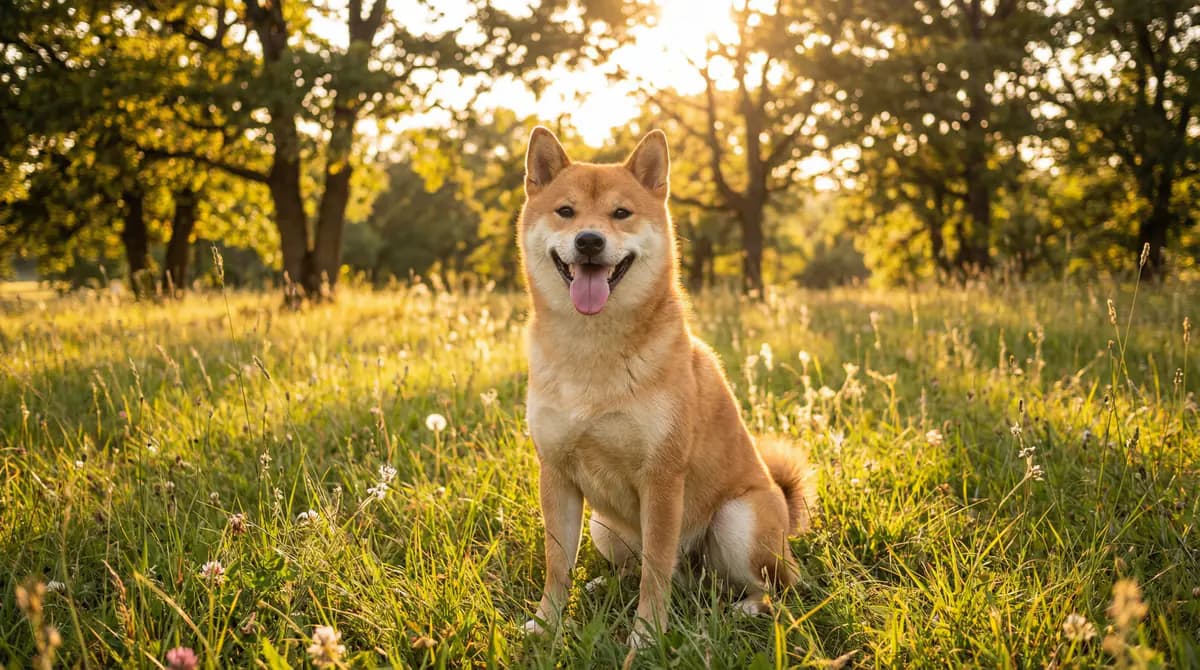
Shibas often look “finished” earlier than giant breeds; compare your pup to parent sizes when you have them, not random dogs online.
Lean and muscular is normal; fat on a Shiba hides fast under coat and skews joints.
Growth plateaus can make owners panic-feed; trend lines over weeks beat one odd weigh-in.
Double coat changes silhouette seasonally; hands-on condition checks matter.
“Shiba stubborn” often means unclear criteria or over-facing; adjust training before blaming breed.
Sudden behavior change with pain signs should be evaluated medically.
Puppyhood is not one stage. It is a stack of different problems and wins. Use this like a timeline, not a rigid rulebook.
Predictable routine, gentle exposure, no flooding.
Clarity beats volume.
Consistency under test.
Blow coat, settle nerves, keep skills.
We picked these products to help you take better care of your dog day to day—from sleep to safer walks, easier feeding, and a sensible setup at home. Each slot is narrowed to highly rated picks that match your dog’s size and stage.
Feeding, exercise, training, home setup, and prevention. Each block is written for people who just checked their puppy's weight curve.
Your vet picks the right puppy diet and portions.
Measured meals reduce weight creep and make training cleaner.
Some Shibas are picky theatrically; avoid turning mealtime into a negotiation.
Sniff walks and varied terrain beat repetitive pounding on pavement.
Off-leash is a training and legal question, not a birthday gift.
End sessions before overtired mouthiness spikes.
Motivate with cooperation, not confrontation; Shibas remember rough handling.
Socialization includes sounds, surfaces, and novelty at their pace.
Alarm barking gets worse if you yell; teach an alternative behavior.
Fence checks; climbing and slipping under gaps happen.
Trash and counter surf plans; opportunism scales with intelligence.
Allergies, eyes, and patellas are conversation topics in some lines.
Heartworm and tick plans follow your region.
Dental care starts with tolerance training.
If you are unsure, call your veterinarian, especially with puppies. This list is not complete and does not cover every situation. It is a general reminder of signs many clinics want to hear about.
General educational information only. It is not medical advice and does not replace an exam or treatment plan from a licensed veterinarian. Estimates and tips cannot diagnose illness or emergencies; contact your vet with any health concerns.
Alert, active, and attentive
Non-Sporting
Small
12-15 years
12 months
17-23 lbs
14.5-16.5" tall
17-23 lbs
13.5-15.5" tall
Shiba Inu are an ancient Japanese spitz type developed to hunt small game in brushy, mountainous terrain where independence and sharp senses mattered.
The breed nearly vanished after World War II; careful rebuilding preserved nerve, coat, and that famous scream when opinions run hot.
Modern Shibas are internet famous; history explains aloofness with strangers, strong prey interest, and a partnership style closer to cat than Lab.
The calculator uses your puppy's current age and weight to estimate adult size. Because puppies grow fastest early on and then slow down as they mature, the estimate adjusts for the stage of growth your Shiba Inu is in.
Shiba Inus are usually close to full size by around 12 months. As your puppy gets older and more of its growth is already complete, the estimate usually becomes more reliable.
Most adult Shiba Inus fall within a typical weight range of 17-23 lbs. You can use the calculator for younger puppies, but estimates are usually more accurate after about 12 weeks.
Share PetCareCalc with other pet parents or save the link to come back later.
Also try: Dog age calculator (dog years and human years) · Dog breed quiz
Add our free embeddable calculator to your site.
Still scrolling?
Five quick taps, an instant match, and a shareable link for the group chat. Free, no signup.
StartPredicting the growth of your Shiba Inu