Personalized chart
Enter age and weight to see your dog's unique trajectory.
How big will my Shetland Sheepdog get? Predict adult weight and track your puppy's development.
We picked these products to help you take better care of your dog day to day—from sleep to safer walks, easier feeding, and a sensible setup at home. Each slot is narrowed to highly rated picks that match your dog’s size and stage.
Roomy crates
Comfy beds
Walk-ready harnesses
Slow feeders
Sheltie puppies are miniature shepherds with a big bark and a sensitive soul. Your weight projection works best with noise management, gentle socialization, and enough mental work to prevent spinning.
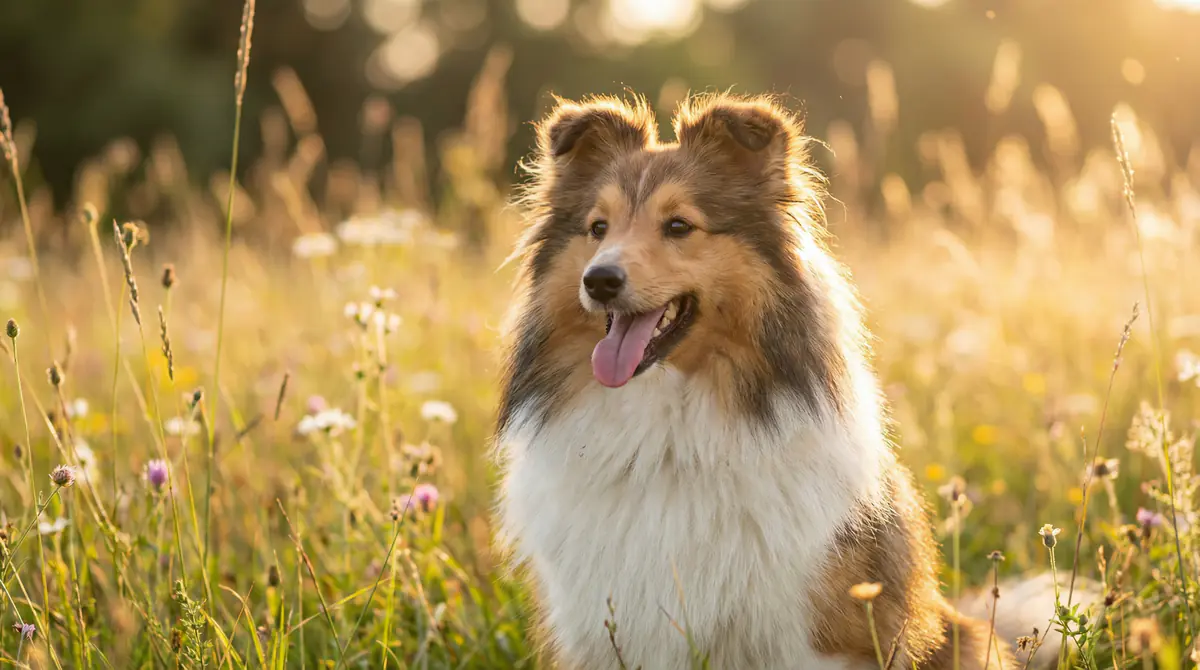
Shelties vary in coat and bone; fluff hides weight.
Lean is healthier than “fluffy equals fine.”
Weekly noise in data matters more than one odd weigh in.
Fear periods are normal; pain plus fear should be checked.
Some lines carry merle genetics; ethical breeding matters, double merle risk is serious.
Nails and coat maintenance affect comfort.
Puppyhood is not one stage. It is a stack of different problems and wins. Use this like a timeline, not a rigid rulebook.
Routine, sleep, potty, soft novelty.
Impulse control and leash manners.
Noise, nipping, and testing.
Polish skills and coat care.
We picked these products to help you take better care of your dog day to day—from sleep to safer walks, easier feeding, and a sensible setup at home. Each slot is narrowed to highly rated picks that match your dog’s size and stage.
Feeding, exercise, training, home setup, and prevention. Each block is written for people who just checked their puppy's weight curve.
Measured meals; your vet sets portions.
Training treats are budgeted.
Discuss diet if chronic itch or GI issues appear.
Walks plus play; agility foundations only when vet approves age.
Mental fatigue reduces spinning.
Heat: heavy coat traps warmth.
Teach calm as heavily as tricks.
If noise triggers panic, lower intensity and add distance.
Fair expectations reduce handler frustration.
Window film or barriers if visual barking starts.
Rotate calm periods; overstimulated Shelties spin.
Vaccines and parasites per your vet.
Discuss inherited topics your breeder screened.
Dental tolerance training.
If you are unsure, call your veterinarian, especially with puppies. This list is not complete and does not cover every situation. It is a general reminder of signs many clinics want to hear about.
General educational information only. It is not medical advice and does not replace an exam or treatment plan from a licensed veterinarian. Estimates and tips cannot diagnose illness or emergencies; contact your vet with any health concerns.
Playful, energetic, and bright
Herding
Small
12-14 years
12 months
Sheltie
15-25 lbs
13-16" tall
15-25 lbs
13-16" tall
Shelties hail from Scotland’s Shetland Islands, where small hardy herding dogs managed sheep in harsh weather and tight spaces. Collie ancestry is obvious in their look and eye.
They were bred down for efficiency on limited island food while keeping intelligence and drive.
Modern Shelties are companions and sport dogs who still herd vacuum cleaners. That heritage explains sound sensitivity, reserve with strangers, and the need for patient socialization.
The calculator uses your puppy's current age and weight to estimate adult size. Because puppies grow fastest early on and then slow down as they mature, the estimate adjusts for the stage of growth your Shetland Sheepdog is in.
Shetland Sheepdogs are usually close to full size by around 12 months. As your puppy gets older and more of its growth is already complete, the estimate usually becomes more reliable.
Most adult Shetland Sheepdogs fall within a typical weight range of 15-25 lbs. You can use the calculator for younger puppies, but estimates are usually more accurate after about 12 weeks.
Straight answers on size, growth, feeding, and how to use this calculator alongside your veterinarian.
Adult Shelties are small herding dogs—often quoted around 15–25 lb. Coat and bone vary; a heavy coat can hide weight gain. Lean is generally healthier than assuming “fluffy equals fine.” Monthly photos from above and rib checks judge condition better than fluff alone.
Many are largely done growing in height by about a year, but training and coat care continue for life. Watch calories as growth slows—extra weight shows up fast under a heavy coat and makes warm walks less fun. Weigh every few weeks and log treats; Shelties train enthusiastically for food.
They were bred for close work in harsh islands—sound sensitivity, barking, and herding instincts are part of the package. Socialize at distances that keep tail wags, use low-volume sound introduction, and teach calm as a skill. Fear periods are normal; keep outings short and successful rather than flooding.
Walks plus play and daily mental work (puzzles, tricks, polite leash skills) beat mindless mileage. A heavy coat traps heat—favor cooler walk times in summer. Save repetitive high jumping for when your dog looks physically “collected,” not gangly. End play before overtired nipping escalates.
Track weight and seasonal photos; ask your breeder how they match puppies to sport, herding, or pet homes if you are still choosing. If barking at windows becomes a hobby, change the environment and train alternatives—stress and boredom often correlate with treat scavenging and weight creep.
Share PetCareCalc with other pet parents or save the link to come back later.
Also try: Dog age calculator (dog years and human years) · Dog breed quiz
Add our free embeddable calculator to your site.
Still scrolling?
Five quick taps, an instant match, and a shareable link for the group chat. Free, no signup.
StartPredicting the growth of your Shetland Sheepdog