Personalized chart
Enter age and weight to see your dog's unique trajectory.
How big will my Miniature Poodle get? Predict adult weight and track your puppy's development.
We picked these products to help you take better care of your dog day to day—from sleep to safer walks, easier feeding, and a sensible setup at home. Each slot is narrowed to highly rated picks that match your dog’s size and stage.
Roomy crates
Comfy beds
Walk-ready harnesses
Slow feeders
Miniature Poodle puppies pack Standard brains into a smaller frame. Your estimate belongs next to mental exercise, grooming tolerance, and joint care even though they are not a giant breed.
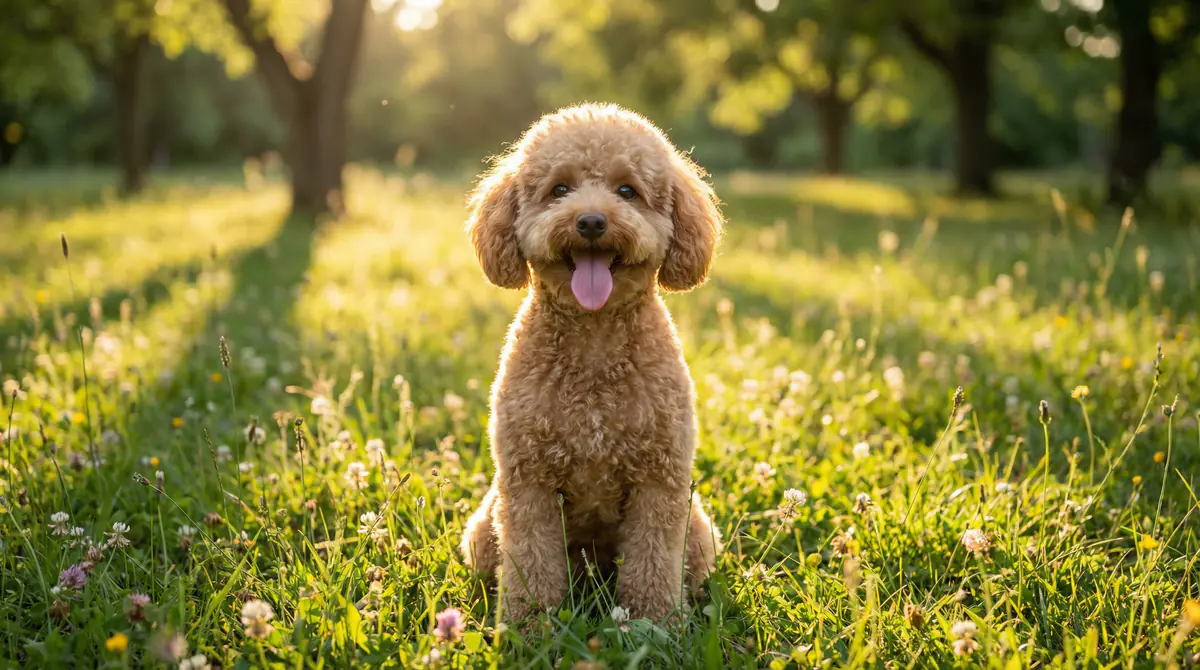
Minis vary in bone and coat clip; trust palpation and vet exam.
Weight can climb fast after growth slows if treats stay generous.
Uneven weekly gains are common; look at month direction.
Fluffy coat hides fat; hands on ribs monthly.
Luxating patella awareness in small dogs; skipping needs vet input.
Dental crowding happens; start brushing tolerance early.
Puppyhood is not one stage. It is a stack of different problems and wins. Use this like a timeline, not a rigid rulebook.
Sleep, potty, grooming intro, early manners.
Impulse control and leash.
Mental work is mandatory.
Stable habits and coat plan.
We picked these products to help you take better care of your dog day to day—from sleep to safer walks, easier feeding, and a sensible setup at home. Each slot is narrowed to highly rated picks that match your dog’s size and stage.
Feeding, exercise, training, home setup, and prevention. Each block is written for people who just checked their puppy's weight curve.
Measured meals; your vet sets portions.
Treats are budgeted on training heavy days.
Slow transitions between diets.
Walks plus play; they are athletic for their size.
Mental exercise reduces destruction.
Heat: dark coats warm in sun.
Teach calm as heavily as tricks.
Errorless setups; they learn bad habits fast.
Separation practice early.
Rotate toys and puzzles.
Clear counters; they problem solve for food.
Vaccines and parasites per your vet.
Dental planning early.
Knee checks if skipping.
If you are unsure, call your veterinarian, especially with puppies. This list is not complete and does not cover every situation. It is a general reminder of signs many clinics want to hear about.
General educational information only. It is not medical advice and does not replace an exam or treatment plan from a licensed veterinarian. Estimates and tips cannot diagnose illness or emergencies; contact your vet with any health concerns.
Active, proud, and very smart
Non-Sporting
Small
10-18 years
12 months
Mini Poodle
10-15 lbs
10-15" tall
10-15 lbs
10-15" tall
Miniature Poodles were scaled down from Standard Poodle stock to work as truffle dogs and adaptable companions when a full sized water dog was more dog than the job required.
The same intelligence and coat genetics come in a smaller package.
Today Minis excel in sports, service work, and family life. That working mind explains boredom barking and creative mischief if you skip training.
The calculator uses your puppy's current age and weight to estimate adult size. Because puppies grow fastest early on and then slow down as they mature, the estimate adjusts for the stage of growth your Miniature Poodle is in.
Miniature Poodles are usually close to full size by around 12 months. As your puppy gets older and more of its growth is already complete, the estimate usually becomes more reliable.
Most adult Miniature Poodles fall within a typical weight range of 10-15 lbs. You can use the calculator for younger puppies, but estimates are usually more accurate after about 12 weeks.
Straight answers on size, growth, feeding, and how to use this calculator alongside your veterinarian.
Adult Minis are small—often quoted around 10–15 lb. Bone and haircut change how heavy they look; fluffy coat hides fat, so hands-on rib checks and monthly photos matter as much as the scale.
Many are close to adult size by about a year, but brains and coat care keep you busy for life. Weight can climb after growth slows if treats stay generous—log training-heavy days. Uneven weekly gains are common; trust month-long trends.
They share the Standard Poodle’s working intelligence in a smaller package. Without scent games, tricks, and polite manners, boredom becomes barking, counter-surfing, and creative destruction. Mental tiredness often prevents more trouble than extra miles alone.
Save repetitive high jumping for when your dog looks coordinated and finished growing in height. Until then, favor tricks on the flat, scent games, and polite leash skills. Keep nails trimmed for a tidy gait, and if a rear leg looks “skippy” after play, switch to easy walks for a few days.
Weigh consistently, measure meals, and clear counters—they problem-solve for food. Schedule positive groomer visits; matting at the skin is uncomfortable and sneaks up when puppy coat changes. Avoid rich table scraps, and change diets slowly one variable at a time so your log stays readable.
Share PetCareCalc with other pet parents or save the link to come back later.
Also try: Dog age calculator (dog years and human years) · Dog breed quiz
Add our free embeddable calculator to your site.
Still scrolling?
Five quick taps, an instant match, and a shareable link for the group chat. Free, no signup.
StartPredicting the growth of your Miniature Poodle