Personalized chart
Enter age and weight to see your dog's unique trajectory.
How big will my Cocker Spaniel get? Predict adult weight and track your puppy's development.
We picked these products to help you take better care of your dog day to day—from sleep to safer walks, easier feeding, and a sensible setup at home. Each slot is narrowed to highly rated picks that match your dog’s size and stage.
Roomy crates
Comfy beds
Walk-ready harnesses
Slow feeders
Cocker puppies combine sporting drive with spaniel softness. Pair your estimate with ear hygiene, weight honesty under coat, and training that rewards calm as much as retrieves.
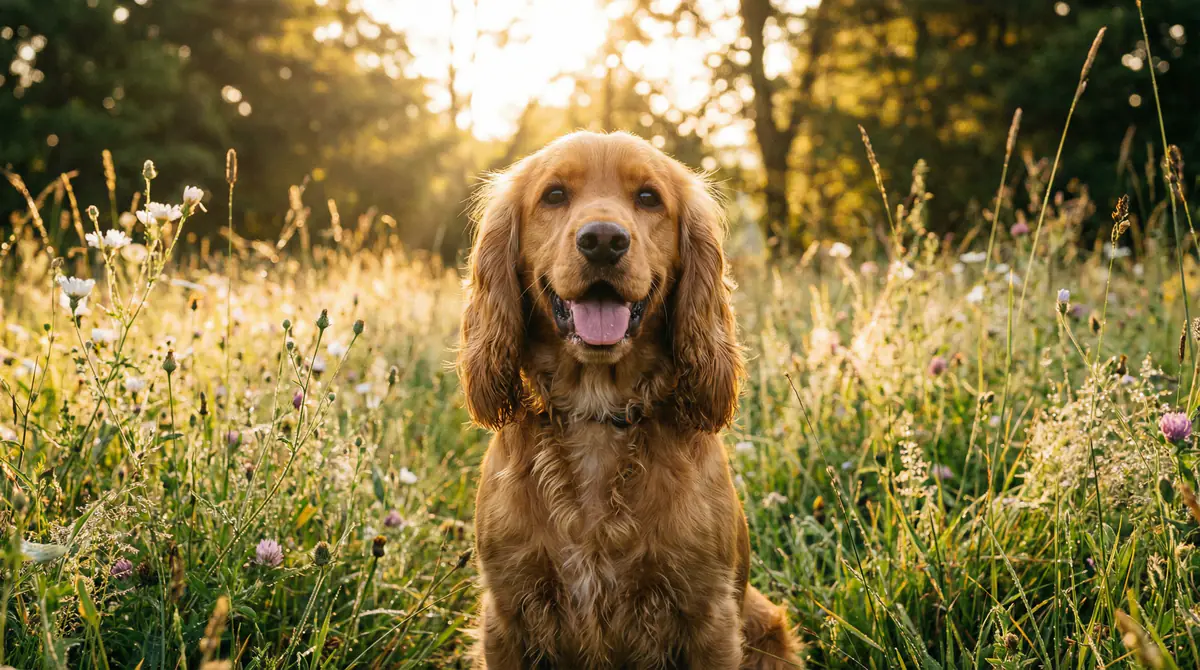
Coat fluff hides fat; hands on ribs monthly.
Weight can climb when height slows if portions stay puppy sized.
Field lines may run leaner than some show lines; compare to parents when possible.
Ear infections love drop ears and moisture.
Eye issues can appear in some lines; squinting needs prompt vet attention.
Limping after play is worth a call.
Puppyhood is not one stage. It is a stack of different problems and wins. Use this like a timeline, not a rigid rulebook.
Routine, potty, handling, calm exposure.
Leash and impulse before adolescence.
Energy, ears, and weight watch.
Stable habits.
We picked these products to help you take better care of your dog day to day—from sleep to safer walks, easier feeding, and a sensible setup at home. Each slot is narrowed to highly rated picks that match your dog’s size and stage.
Feeding, exercise, training, home setup, and prevention. Each block is written for people who just checked their puppy's weight curve.
Measured meals; your vet sets portions.
Treats budgeted on training days.
Slow transitions.
Walks plus play; they are sporting dogs at heart.
End before overtired biting.
Heat planning for warm days.
Teach mat and crate chill.
Socialization gentle and consistent.
Separation practice early.
Comb little and often if in full coat.
Rotate toys.
Vaccines and parasites per your vet.
Ear and eye baselines worth learning.
Dental tolerance early.
If you are unsure, call your veterinarian, especially with puppies. This list is not complete and does not cover every situation. It is a general reminder of signs many clinics want to hear about.
General educational information only. It is not medical advice and does not replace an exam or treatment plan from a licensed veterinarian. Estimates and tips cannot diagnose illness or emergencies; contact your vet with any health concerns.
Gentle, smart, and happy
Sporting
Small
10-14 years
12 months
20-30 lbs
14.5-15.5" tall
20-30 lbs
13.5-14.5" tall
Cocker spaniels were named for woodcock work in Britain, flushing and retrieving in heavy cover. American and English Cockers diverged into different styles and silhouettes over the twentieth century.
The American Cocker became more companion focused in many lines while retaining birdy instincts.
That split means two pups labeled “Cocker” can differ in coat, energy, and size. Your breeder’s line and your vet’s exam interpret the calculator better than a generic photo online.
The calculator uses your puppy's current age and weight to estimate adult size. Because puppies grow fastest early on and then slow down as they mature, the estimate adjusts for the stage of growth your Cocker Spaniel is in.
Cocker Spaniels are usually close to full size by around 12 months. As your puppy gets older and more of its growth is already complete, the estimate usually becomes more reliable.
Most adult Cocker Spaniels fall within a typical weight range of 20-30 lbs. You can use the calculator for younger puppies, but estimates are usually more accurate after about 12 weeks.
Straight answers on size, growth, feeding, and how to use this calculator alongside your veterinarian.
American Cocker Spaniels in your breed data are usually quoted around 20–30 lb as adults. Lines differ—field-style dogs may run leaner than some show or companion lines. A fluffy coat hides weight easily, so hands-on rib checks and monthly photos interpret the calculator better than snapshots online.
Many are largely done growing in height by about a year, but coat care and calories remain long-term. When height growth slows, portions and treats must match the new stage—or weight climbs fast. Weigh every few weeks and take standing photos from above monthly.
Drop ears stay damp longer after baths or swimming, so many owners dry the outer flap, comb hair away from the opening, and learn their dog’s normal clean smell after a rinse day. Grooming that prevents matting at the skin keeps brushing honest—you feel ribs and waist while you work through the coat.
They are sporting spaniels at heart: walks, play, retrieves with rules, and mental puzzles fit better than skipping exercise entirely. Avoid repetitive high jumps while young; stop if limping. Heat planning matters on warm days—carry water and watch for overheating.
Measure food by weight, budget training treats, and log changes. Teen “selective hearing” is normal—lower training criteria and raise rewards without doubling dinner. After rough play, give a lighter day if your dog seems stiff; the weight log is easier to read when exercise is steady week to week.
Share PetCareCalc with other pet parents or save the link to come back later.
Also try: Dog age calculator (dog years and human years) · Dog breed quiz
Add our free embeddable calculator to your site.
Still scrolling?
Five quick taps, an instant match, and a shareable link for the group chat. Free, no signup.
StartPredicting the growth of your Cocker Spaniel