Personalized chart
Enter age and weight to see your dog's unique trajectory.
How big will my Central Asian Shepherd Dog get? Predict adult weight and track your puppy's development.
We picked these products to help you take better care of your dog day to day—from sleep to safer walks, easier feeding, and a sensible setup at home. Each slot is narrowed to highly rated picks that match your dog’s size and stage.
Roomy crates
Comfy beds
Walk-ready harnesses
Slow feeders
Central Asian Shepherd Dog puppies are Silk Road guardians: independent, powerful, and slow to mature. Your growth chart pairs with joint-smart exercise, fence honesty, and training that teaches cooperation before adult mass makes mistakes dangerous.
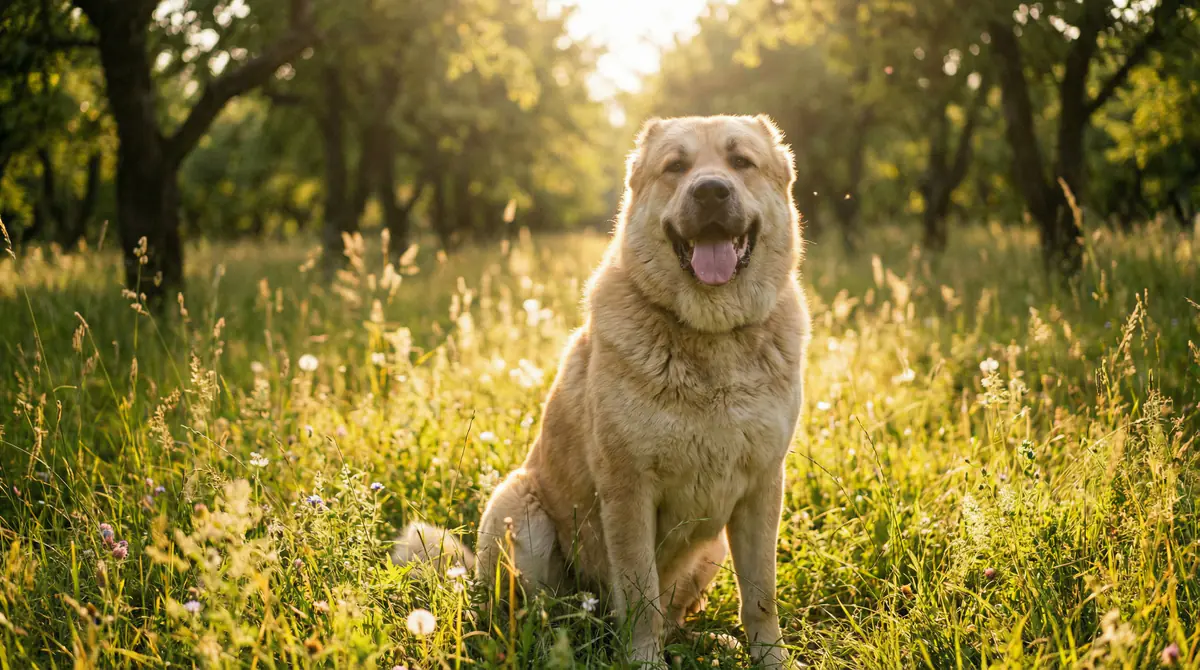
Central Asian Shepherds mature slowly; a gangly teenager can still be normal while your veterinarian confirms condition. Treat the calculator as a trend line across months, not a panic over one weigh-in.
Heavy bone and coat change silhouette; hands-on rib checks and a standing photo from above each month catch drift that fluff hides.
Extra weight on young giant joints is expensive; when vertical growth eases, many households keep puppy portions and training treats—your log flags it before stairs and limping do.
Same-sex dog selectivity appears in some lines; manage adolescent greetings with distance, parallel walks, and professional input before mass makes mistakes costly.
Thick coat means heat and cold both need planning—shade, water, and shorter warm-day outings; dry shelter and paw care in bitter cold.
Teen “stubbornness” often signals unclear criteria or over-long sessions; keep work fair, short, and heavily reinforced.
Puppyhood is not one stage. It is a stack of different problems and wins. Use this like a timeline, not a rigid rulebook.
Routine, handling, calm exposure.
Leash skills before strength wins.
Joint care + clear training.
Adult nerve arrives late.
We picked these products to help you take better care of your dog day to day—from sleep to safer walks, easier feeding, and a sensible setup at home. Each slot is narrowed to highly rated picks that match your dog’s size and stage.
Feeding, exercise, training, home setup, and prevention. Each block is written for people who just checked their puppy's weight curve.
Your veterinarian may recommend large-breed puppy feeding to support steady growth without racing the growth plates.
Split meals if your dog gulps; calmer post-meal minutes are a habit many deep-chested owners keep for life.
Treats are food; independent guardians are expert negotiators at the table.
Moderate walks, sniffing, and free play on forgiving surfaces beat forced mileage on hot pavement while bones mature.
End before distress panting; carry water and seek shade in warm climates.
Cold snaps still need limits—ice, salt, and windburn matter even on hardy dogs.
Fair clarity beats dominance theater; cooperation is trained, not demanded by volume.
Socialization means calm novelty at tolerable distances—predictable, positive exposure beats chaotic dog-park roulette.
Teach door, gate, and delivery routines before adult mass makes charging rehearsal dangerous.
Secure fencing, gates, and latches; adolescent CAS dogs test boundaries when bored.
Rotate enrichment—chews, scent games, training—so independence does not route to escape or fence fighting.
Hips, elbows, eyes, and cardiac topics appear in giant breed programs; your vet personalizes timing and follow-up.
Dental tolerance training while young pays off for life.
Parasite control should match your region and lifestyle.
If you are unsure, call your veterinarian, especially with puppies. This list is not complete and does not cover every situation. It is a general reminder of signs many clinics want to hear about.
General educational information only. It is not medical advice and does not replace an exam or treatment plan from a licensed veterinarian. Estimates and tips cannot diagnose illness or emergencies; contact your vet with any health concerns.
Confident, independent, and quiet
Working
Giant
12-15 years
24 months
88-110 lbs
27.5-31.5" tall
88-110 lbs
25.5-27.5" tall
Central Asian Shepherd Dogs come from a vast region spanning former Soviet and Asian steppe and mountain pastoral cultures, bred to guard livestock and camps with minimal micromanagement.
They think independently; micromanagement frustrates both of you.
Modern CAS dogs are serious guardians; laws, insurance, and training expectations vary—plan ahead.
The calculator uses your puppy's current age and weight to estimate adult size. Because puppies grow fastest early on and then slow down as they mature, the estimate adjusts for the stage of growth your Central Asian Shepherd Dog is in.
Central Asian Shepherd Dogs are usually close to full size by around 24 months. As your puppy gets older and more of its growth is already complete, the estimate usually becomes more reliable.
Most adult Central Asian Shepherd Dogs fall within a typical weight range of 88-110 lbs. You can use the calculator for younger puppies, but estimates are usually more accurate after about 12 weeks.
Share PetCareCalc with other pet parents or save the link to come back later.
Also try: Dog age calculator (dog years and human years) · Dog breed quiz
Add our free embeddable calculator to your site.
Still scrolling?
Five quick taps, an instant match, and a shareable link for the group chat. Free, no signup.
StartPredicting the growth of your Central Asian Shepherd Dog