Graphique personnalisé
Indiquez âge et poids pour voir la courbe de votre chien.
Jusqu’où ira mon Central Asian Shepherd Dog ? Poids adulte estimé et suivi de croissance.
Nous associons quelques grandes familles utiles au quotidien (sommeil, marche, repas…) avec les réglages de gabarit et de croissance : des idées souvent très bien notées, cohérentes avec vos paramètres actuels.
Grandes cages
Couchages douillets
Harnais prêts sortie
Gamelle interactive
Central Asian Shepherd Dog puppies are Silk Road guardians: independent, powerful, and slow to mature. Your growth chart pairs with joint-smart exercise, fence honesty, and training that teaches cooperation before adult mass makes mistakes dangerous.
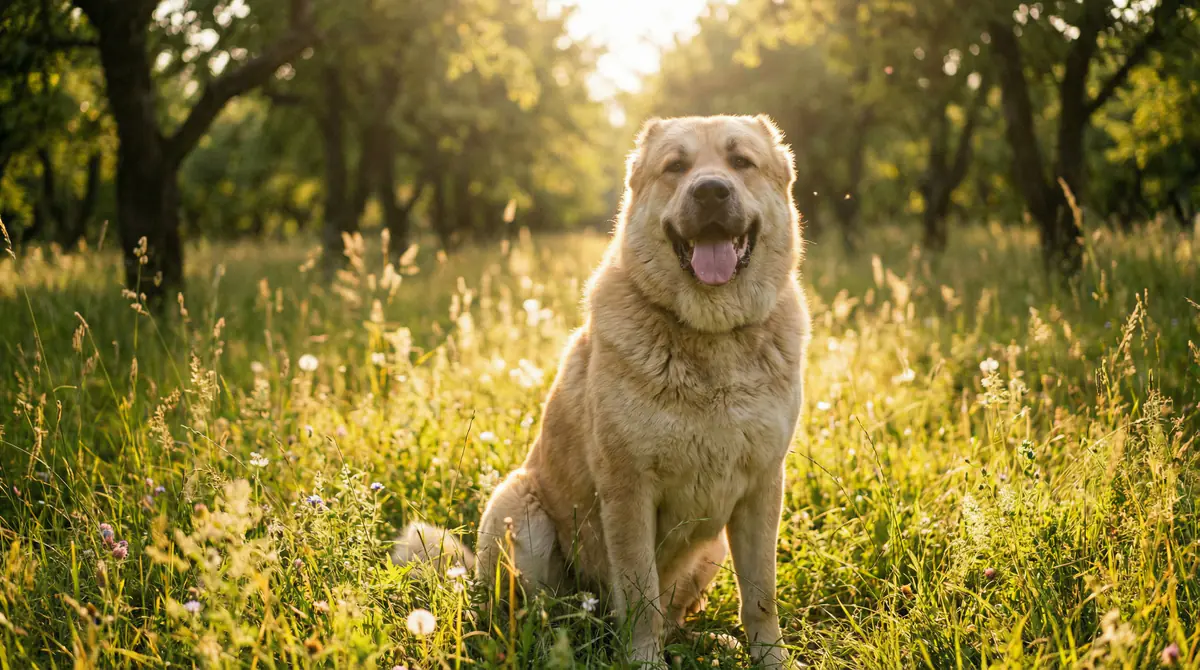
Central Asian Shepherds mature slowly; a gangly teenager can still be normal while your veterinarian confirms condition. Treat the calculator as a trend line across months, not a panic over one weigh-in.
Heavy bone and coat change silhouette; hands-on rib checks and a standing photo from above each month catch drift that fluff hides.
Extra weight on young giant joints is expensive; when vertical growth eases, many households keep puppy portions and training treats—your log flags it before stairs and limping do.
Same-sex dog selectivity appears in some lines; manage adolescent greetings with distance, parallel walks, and professional input before mass makes mistakes costly.
Thick coat means heat and cold both need planning—shade, water, and shorter warm-day outings; dry shelter and paw care in bitter cold.
Teen “stubbornness” often signals unclear criteria or over-long sessions; keep work fair, short, and heavily reinforced.
Un chiot, ce n’est pas qu’une phase : c’est une pile d’étapes différentes. Servez-vous de cela comme fil conducteur, pas comme loi absolue.
Routine, handling, calm exposure.
Leash skills before strength wins.
Joint care + clear training.
Adult nerve arrives late.
Nous associons quelques grandes familles utiles au quotidien (sommeil, marche, repas…) avec les réglages de gabarit et de croissance : des idées souvent très bien notées, cohérentes avec vos paramètres actuels.
Repas, sorties, éducation, maison, prévention — rédigé pour celles et ceux qui viennent de regarder la courbe de poids.
Your veterinarian may recommend large-breed puppy feeding to support steady growth without racing the growth plates.
Split meals if your dog gulps; calmer post-meal minutes are a habit many deep-chested owners keep for life.
Treats are food; independent guardians are expert negotiators at the table.
Moderate walks, sniffing, and free play on forgiving surfaces beat forced mileage on hot pavement while bones mature.
End before distress panting; carry water and seek shade in warm climates.
Cold snaps still need limits—ice, salt, and windburn matter even on hardy dogs.
Fair clarity beats dominance theater; cooperation is trained, not demanded by volume.
Socialization means calm novelty at tolerable distances—predictable, positive exposure beats chaotic dog-park roulette.
Teach door, gate, and delivery routines before adult mass makes charging rehearsal dangerous.
Secure fencing, gates, and latches; adolescent CAS dogs test boundaries when bored.
Rotate enrichment—chews, scent games, training—so independence does not route to escape or fence fighting.
Hips, elbows, eyes, and cardiac topics appear in giant breed programs; your vet personalizes timing and follow-up.
Dental tolerance training while young pays off for life.
Parasite control should match your region and lifestyle.
En cas de doute, appelez surtout avec un chiot. Cette liste n’est ni exhaustive ni un guide d’urgence ; ce sont des rappels que beaucoup de cliniques veulent entendre tôt.
Information générale seulement : pas un avis médical ni un substitut à l’examen et au plan d’un vétérinaire diplômé. Les estimations et astuces ne diagnostiquent pas ; en cas de souci sanitaire, contactez votre clinique.
Confident, independent, and quiet
Working
Géant
12-15 years
24 mois
88-110 lb
27.5-31.5 po de haut
88-110 lb
25.5-27.5 po de haut
Central Asian Shepherd Dogs come from a vast region spanning former Soviet and Asian steppe and mountain pastoral cultures, bred to guard livestock and camps with minimal micromanagement.
They think independently; micromanagement frustrates both of you.
Modern CAS dogs are serious guardians; laws, insurance, and training expectations vary—plan ahead.
Le simulateur s’appuie sur l’âge et le poids du moment pour estimer le gabarit adulte. Comme la croissance est très rapide au début puis ralentit, l’ajustement tient compte de l’étape où se trouve votre Central Asian Shepherd Dog.
Un Central Asian Shepherd Dog est en général proche de sa taille adulte vers 24 mois. Plus le chiot vieillit et plus une part de la croissance est déjà faite, plus l’estimation se stabilise.
La plupart des adultes Central Asian Shepherd Dog se situent habituellement entre 88 et 110 lb. Vous pouvez estimer très jeune, mais la fiabilité grimpe souvent après ~12 semaines.
Faites découvrir PetCareCalc à d’autres propriétaires ou gardez le lien pour plus tard.
À essayer aussi : Âge du chien (années chien et humaines) · Quiz des races
Ajoutez gratuitement notre simulateur à votre site.
Toujours en train de défiler ?
Quelques clics rapides, un résultat immédiat et un lien à envoyer dans le groupe — gratuit, sans compte.
C’est partiCroissance estimée pour votre Central Asian Shepherd Dog