Graphique personnalisé
Indiquez âge et poids pour voir la courbe de votre chien.
Jusqu’où ira mon Boerboel ? Poids adulte estimé et suivi de croissance.
Nous associons quelques grandes familles utiles au quotidien (sommeil, marche, repas…) avec les réglages de gabarit et de croissance : des idées souvent très bien notées, cohérentes avec vos paramètres actuels.
Grandes cages
Couchages douillets
Harnais prêts sortie
Gamelle interactive
Boerboel puppies are South African farm guardians in a massive frame. Your growth chart pairs with slow maturity, serious containment, and training that teaches cooperation before adult strength makes mistakes dangerous.
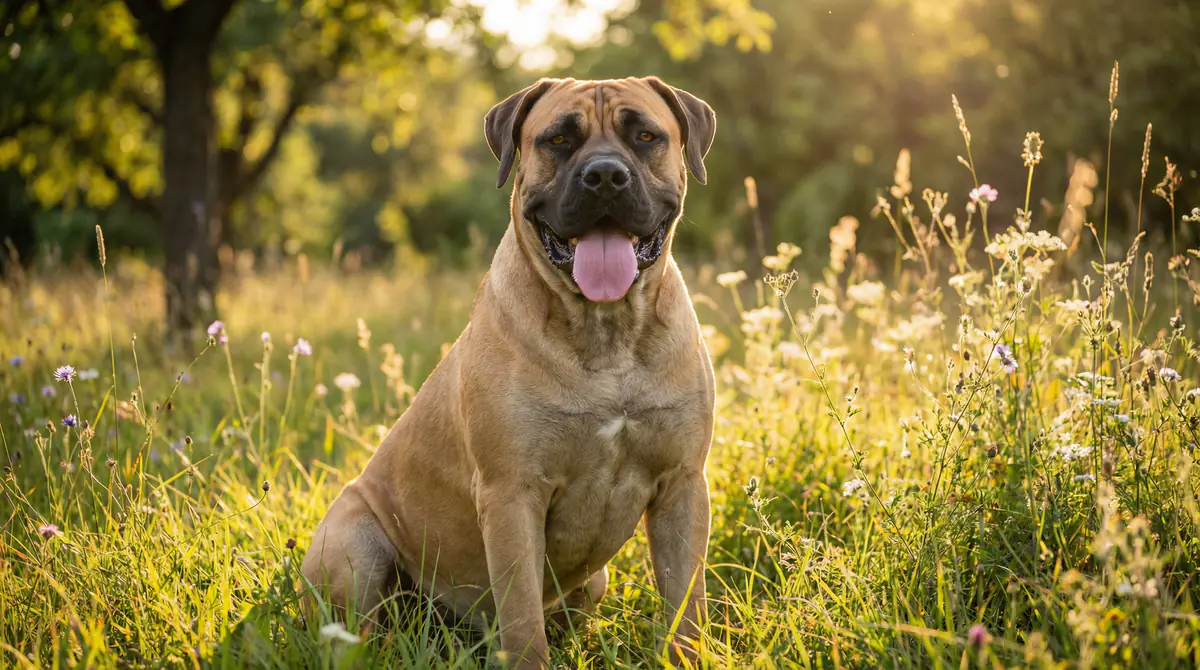
Boerboels grow fast early then mature slowly; lean teen phases can still be normal if your veterinarian likes condition. Compare trends over weeks, not one weigh-in.
Weight on young joints is brutal; when growth eases, treat drift after snacks and generous training stack quietly.
Brachycephalic features vary; distress panting sets exercise windows, not your hiking goals alone.
Short coat shows weight honestly; still confirm condition with your vet, not social media comparisons.
Heat is serious; many individuals need careful summer planning—shade, water, shorter outings.
Dominance myths harm training; clarity, consistency, and fair mechanics build cooperation.
Un chiot, ce n’est pas qu’une phase : c’est une pile d’étapes différentes. Servez-vous de cela comme fil conducteur, pas comme loi absolue.
Routine, handling, calm exposure.
Leash skills before strength wins.
Joint care + boundaries.
Maturity creeps in.
Nous associons quelques grandes familles utiles au quotidien (sommeil, marche, repas…) avec les réglages de gabarit et de croissance : des idées souvent très bien notées, cohérentes avec vos paramètres actuels.
Repas, sorties, éducation, maison, prévention — rédigé pour celles et ceux qui viennent de regarder la courbe de poids.
Your veterinarian recommends steady growth nutrition for giant breeds.
Split meals; discuss exercise timing around meals if gulping is an issue.
Treats are food; cap training calories. Transition foods over ~7 days unless your vet directs otherwise.
Moderate walks, sniffing, and play; avoid pounding growth plates with repetitive hard impact.
Heat is serious; favor cooler windows and rest.
End before distress panting; brachycephalic risk varies by individual.
Cooperation beats confrontation; unfair corrections deepen refusal in powerful adolescents.
Socialization includes calm novelty at tolerable distances.
Teach door manners early so visitors do not trigger rehearsed guarding.
Fence reality: height, dig guard, gate habits; Boerboels test weaknesses.
Rotate enrichment—legal jobs, puzzles, calm chews.
Hips, elbows, eyes, and cardiac topics appear in breed programs; your vet personalizes.
Dental tolerance training while young pays off for life.
Parasite control should match your region.
En cas de doute, appelez surtout avec un chiot. Cette liste n’est ni exhaustive ni un guide d’urgence ; ce sont des rappels que beaucoup de cliniques veulent entendre tôt.
Information générale seulement : pas un avis médical ni un substitut à l’examen et au plan d’un vétérinaire diplômé. Les estimations et astuces ne diagnostiquent pas ; en cas de souci sanitaire, contactez votre clinique.
Confident, courageous, and smart
Working
Géant
9-11 years
24 mois
150-200 lb
24-27 po de haut
150-200 lb
22-25 po de haut
Boerboels were developed by South African farmers from mastiff and bulldog-type stock to protect homesteads and stock against predators and human threats.
They were bred for nerve, restraint until needed, and heat tolerance relative to their bulk.
Modern Boerboels are powerful family dogs; laws, insurance, and training expectations vary by region—know yours.
Le simulateur s’appuie sur l’âge et le poids du moment pour estimer le gabarit adulte. Comme la croissance est très rapide au début puis ralentit, l’ajustement tient compte de l’étape où se trouve votre Boerboel.
Un Boerboel est en général proche de sa taille adulte vers 24 mois. Plus le chiot vieillit et plus une part de la croissance est déjà faite, plus l’estimation se stabilise.
La plupart des adultes Boerboel se situent habituellement entre 150 et 200 lb. Vous pouvez estimer très jeune, mais la fiabilité grimpe souvent après ~12 semaines.
Faites découvrir PetCareCalc à d’autres propriétaires ou gardez le lien pour plus tard.
À essayer aussi : Âge du chien (années chien et humaines) · Quiz des races
Ajoutez gratuitement notre simulateur à votre site.
Toujours en train de défiler ?
Quelques clics rapides, un résultat immédiat et un lien à envoyer dans le groupe — gratuit, sans compte.
C’est partiCroissance estimée pour votre Boerboel