Gráfico personalizado
Introduce edad y peso para ver la trayectoria de crecimiento de tu perro.
¿Cuánto crecerá mi Ridgeback tailandés? Estima el peso adulto y sigue el desarrollo de tu cachorro.
Elegimos estas categorías para el día a día: descanso, paseos más cómodos, comidas sin líos y un hogar que encaje con tu situación. En cada hueco priorizamos artículos muy valorados que tienen sentido con la talla y la etapa de tu perro.
Transportines amplios
Camas cómodas
Arneses listos para salir
Comederos anti-glutonismo
Thai Ridgeback puppies are primitive Asian hounds with a ridge and strong opinions. Your growth chart belongs with containment you trust, heat planning, and training that builds cooperation without picking fights with an independent mind.
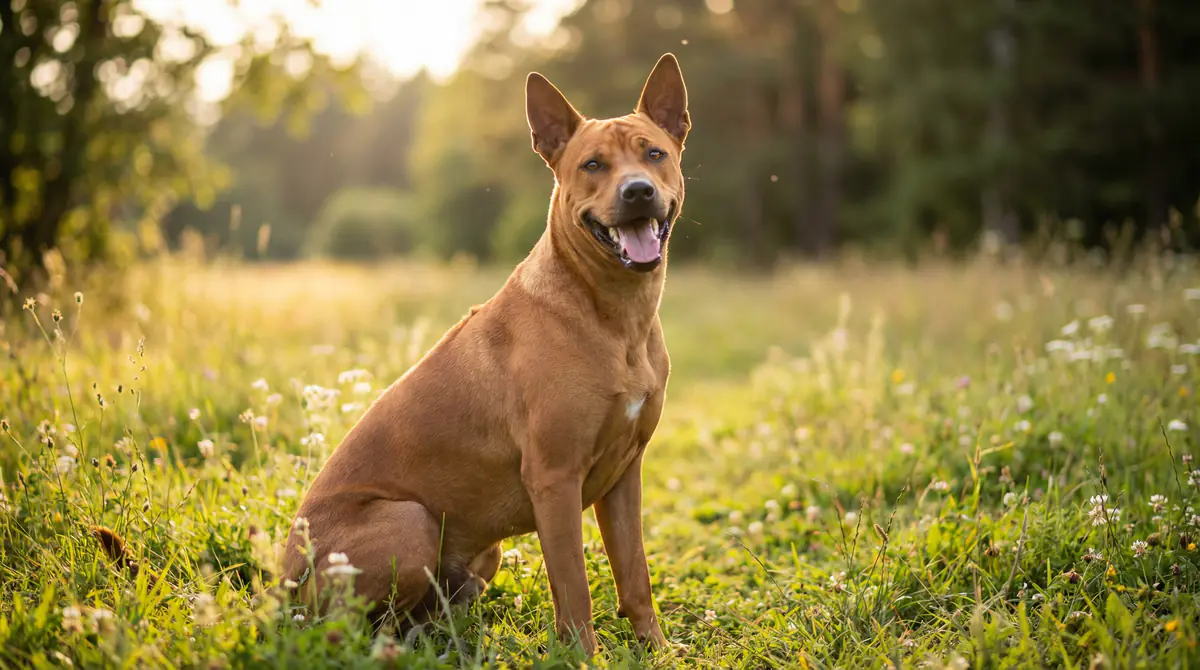
Thai Ridgebacks are large, athletic, and independent; muscle shifts the scale while your veterinarian confirms condition. Read the projection as a trend across weeks, not one weigh-in versus random dogs online.
Short coat shows weight honestly; still track trends every few weeks so drift does not sneak in behind “primitive metabolism” myths.
When growth eases, treat drift climbs if exercise drops but training treats stay generous.
Heat planning first; many individuals tolerate cold less than northern breeds—layers, limits, and dry warmth when needed.
They learn when cooperation pays; measured meals keep motivation from becoming roundness.
Teen testing is normal; fair consistency and qualified help early prevent small suspicions from hardening.
La etapa de cachorro no es una sola fase: es una pila de retos y victorias distintas. Úsalo como línea temporal, no como reglamento rígido.
Routine, handling, calm exposure.
Skills before adolescence.
Exercise + clear boundaries.
Maturity steadies.
Elegimos estas categorías para el día a día: descanso, paseos más cómodos, comidas sin líos y un hogar que encaje con tu situación. En cada hueco priorizamos artículos muy valorados que tienen sentido con la talla y la etapa de tu perro.
Alimentación, ejercicio, adiestramiento, rutina en casa y prevención. Cada bloque va dirigido a quien acaba de mirar la curva de peso de su cachorro.
Your veterinarian sets calories for steady growth; your vet may recommend large-breed puppy feeding if appropriate for your line.
Measured meals make cooperation training honest.
Transition foods over ~7 days unless your vet directs otherwise.
Brisk walks, play, sniffing, and thinking work beat mindless mileage; bored Ridgebacks roam and escalate.
End before overtired mouthiness or rehearsed fence fighting.
Cold weather layering may help some individuals; limit ice, salt, and wind exposure when paws suffer.
Fair clarity beats dominance theater; cooperation is trained, not demanded by volume.
Socialization is pairing and distance; calm novelty beats flooding that rehearses suspicion.
Teach guest routines: calm before affection, predictable delivery patterns, clear door rules.
Secure fencing, gates, and latches; bored adolescents test boundaries.
Rotate enrichment—scent games, chews, training—so independence does not route to escape.
Hips and dermoid sinus screening are breeder topics; your vet personalizes exams and follow-up.
Dental tolerance training while young pays off for life.
Parasite control should match your region and lifestyle.
Si tienes dudas, llama a tu veterinario, sobre todo con cachorros. Esta lista no es exhaustiva ni cubre todas las situaciones: es un recordatorio general de señales que muchas clínicas quieren conocer.
Información educativa general únicamente. No es consejo médico ni sustituye la exploración ni el plan de un veterinario colegiado. Las estimaciones y recomendaciones no diagnostican enfermedad ni urgencias; ante cualquier problema de salud, contacta con tu clínica.
Loyal, protective, and intelligent
Hound
Grande
12-13 years
18 meses
35-75 lb
22-24" de altura
35-75 lb
20-22" de altura
Thai Ridgebacks developed in eastern Thailand as hunting, guarding, and cart-following dogs, shaped by heat, terrain, and minimal Western show interference until recent decades.
They are agile and protective; socialization and boundaries are not optional.
Modern Ridgebacks need real exercise and honest fencing; bored dogs roam and escalate.
La calculadora toma la edad y el peso actuales de tu cachorro para estimar el tamaño adulto. Como los cachorros crecen más rápido al principio y luego se desaceleran, la estimación se adapta a la fase de crecimiento en la que está tu Ridgeback tailandés.
Con la raza Ridgeback tailandés, lo habitual es estar casi en el tamaño adulto hacia los 18 meses. A medida que tu cachorro es mayor y ya ha completado más crecimiento, la estimación suele volverse más fiable.
La mayoría de los Ridgeback tailandés adultos se sitúan en un rango típico de 35-75 lb. Puedes usar la calculadora con cachorros muy jóvenes, pero las estimaciones suelen ser más precisas a partir de unas 12 semanas.
Comparte PetCareCalc con otras personas con mascota o guarda el enlace para volver cuando quieras.
Prueba también: Calculadora de edad canina (años caninos y humanos) · Test de razas
Añade gratis nuestra calculadora incrustable a tu web.
¿Sigues por aquí?
Cinco toques rápidos, una recomendación instantánea y un enlace para compartir. Gratis, sin registro.
EmpezarEstimando el crecimiento de tu Ridgeback tailandés