Gráfico personalizado
Introduce edad y peso para ver la trayectoria de crecimiento de tu perro.
¿Cuánto crecerá mi Pastor alemán? Estima el peso adulto y sigue el desarrollo de tu cachorro.
Elegimos estas categorías para el día a día: descanso, paseos más cómodos, comidas sin líos y un hogar que encaje con tu situación. En cada hueco priorizamos artículos muy valorados que tienen sentido con la talla y la etapa de tu perro.
Transportines amplios
Camas cómodas
Arneses listos para salir
Comederos anti-glutonismo
Your projection is one data point, here is how German Shepherds typically grow, how to protect joints during a fast growth spurt, and how to raise confidence without creating anxiety.
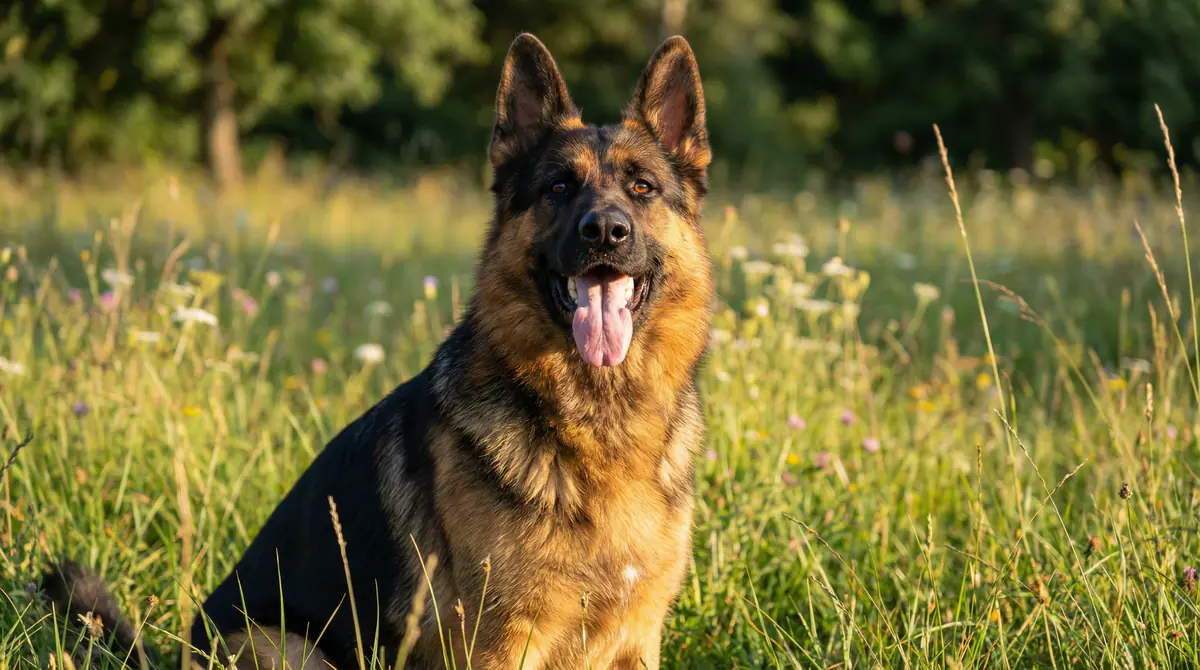
German Shepherds often shoot up in height before they look “finished,” so a lean teenager look can be normal even when the chart says they have room to grow.
Working lines, show lines, and sex differences can swing adult weight meaningfully. Compare trends over weeks, not one weigh in against a stranger’s puppy on social media.
If your pup is lighter or heavier than the midpoint but active, proportional, and cleared by your vet, that can still be healthy, especially during fear periods when appetite wobbles.
GSDs are deep chested and athletic; “rib visibility” can be normal for some individuals while overweight shows as loss of waist and heavy fat cover.
Bunny hopping, sitting oddly, or reluctance to jump are worth mentioning to your veterinarian.
Adolescence commonly includes spooky phases, behavior change is not always medical, but sudden fear + pain signs should be checked.
La etapa de cachorro no es una sola fase: es una pila de retos y victorias distintas. Úsalo como línea temporal, no como reglamento rígido.
Routine, confidence, and gentle handling.
Skills and boundaries before adolescence hits.
Joint care and consistency under test.
Strength without bulk chasing; maturity emerges slowly.
Elegimos estas categorías para el día a día: descanso, paseos más cómodos, comidas sin líos y un hogar que encaje con tu situación. En cada hueco priorizamos artículos muy valorados que tienen sentido con la talla y la etapa de tu perro.
Alimentación, ejercicio, adiestramiento, rutina en casa y prevención. Cada bloque va dirigido a quien acaba de mirar la curva de peso de su cachorro.
Your vet may recommend a large breed puppy formulation to keep calcium and calories aligned with steady growth.
Split meals to reduce gulping and support digestion, especially relevant as adults for bloat awareness.
Treats should be planned, not endless, training still needs a calorie budget.
Tug with rules, retrieve on soft grass, and sniff walks build fitness without pounding.
Avoid repetitive high jumps and endless stairs while young.
If your pup is limping, end the session, puppies hide pain until it is serious.
Teach a clear off switch: place or mat, crate chill, and calm praise.
Socialization includes sounds, surfaces, and novelty at distances that keep curiosity, not panic.
If your pup goes alarm barky, reduce triggers and increase distance; punishment often worsens suspicion.
Rotating calm periods prevents overstimulation spirals.
Clear expectations for kids: no wrestling that amps bitey play.
Hips and elbows are long term topics; keep growth controlled and records clean.
Nail and coat maintenance supports gait comfort.
Discuss deworming, heartworm, and tick risks for your region.
Si tienes dudas, llama a tu veterinario, sobre todo con cachorros. Esta lista no es exhaustiva ni cubre todas las situaciones: es un recordatorio general de señales que muchas clínicas quieren conocer.
Información educativa general únicamente. No es consejo médico ni sustituye la exploración ni el plan de un veterinario colegiado. Las estimaciones y recomendaciones no diagnostican enfermedad ni urgencias; ante cualquier problema de salud, contacta con tu clínica.
Confident, courageous, and smart
Herding
Grande
7-10 years
18 meses
Protein-rich diets are essential for GSD muscle development, but avoid excess calcium which can harm bone growth.
GSD, Shepherd, German Shepherd Dog, Working Line German Shepherd, Show Line German Shepherd, Working Line GSD, Show Line GSD
65-90 lb
24-26" de altura
50-70 lb
22-24" de altura
German Shepherds grow tall very quickly, but their joints are sensitive. It's vital to monitor their growth speed to prevent future hip issues.
In the late 1800s, cavalry officer Max von Stephanitz set out to unify Germany’s regional herding dogs into one predictable working type. He bought a dog named Horand von Grafrath, founded a breed club, and built the German Shepherd Dog around a simple idea: brains, nerve, and structure should serve real work, not fashion.
The breed’s job shifted as farming changed. Shepherds became police dogs, military dogs, messengers, and search dogs, and their reputation for trainability spread worldwide. Wars and pop culture accelerated that fame, for better and worse.
Today you still see the old split: lines bred for sport and patrol bite work, lines bred for conformation rings, and family dogs from mixed priorities. That history explains why two “German Shepherds” can feel like different breeds in energy, size, and coat.
La calculadora toma la edad y el peso actuales de tu cachorro para estimar el tamaño adulto. Como los cachorros crecen más rápido al principio y luego se desaceleran, la estimación se adapta a la fase de crecimiento en la que está tu Pastor alemán.
Con la raza Pastor alemán, lo habitual es estar casi en el tamaño adulto hacia los 18 meses. A medida que tu cachorro es mayor y ya ha completado más crecimiento, la estimación suele volverse más fiable.
La mayoría de los Pastor alemán adultos se sitúan en un rango típico de 50-90 lb. Puedes usar la calculadora con cachorros muy jóvenes, pero las estimaciones suelen ser más precisas a partir de unas 12 semanas.
Respuestas directas sobre talla, crecimiento, alimentación y cómo usar esta calculadora junto a tu veterinario.
Adult German Shepherds are often quoted around 50–90 lb overall, with males frequently heavier (roughly 65–90 lb) and females lighter (about 50–70 lb). Working lines, show lines, and individual genetics can shift that band quite a bit. Treat the calculator output as a compass: compare your puppy to its own past weights and photos, not to random dogs online.
Shepherds commonly grow tall on a faster timeline than they add adult muscle and coat—so a lean teenage look can be normal even when numbers say more growth is possible. That phase is exactly when steady—not excessive—calories and age-appropriate play matter more than forcing adult-level mileage.
Many are approaching adult height by about a year, but filling out can continue well into the second year. Your breed data uses a long growth window; ramp running and jumping sports gradually as your puppy matures rather than jumping straight to an adult workload.
Balanced puppy food labeled for large breeds is the usual starting point—follow the bag’s feeding chart for age and weight, then adjust slowly if your puppy’s trend looks too steep or too flat. Skip DIY supplement stacks and “bulking” shortcuts; protein supports muscle, but growth should look steady on the scale, not like a race.
It models typical breed growth curves against the age and weight you enter. Real puppies vary with sex, genetics, and line. Re-weigh on a schedule and log dates—growth questions are easier with a chart than with one number from a single day. If your pup is far above or below the band, compare several weeks of trend before you change food amounts.
Comparte PetCareCalc con otras personas con mascota o guarda el enlace para volver cuando quieras.
Prueba también: Calculadora de edad canina (años caninos y humanos) · Test de razas
Añade gratis nuestra calculadora incrustable a tu web.
¿Sigues por aquí?
Cinco toques rápidos, una recomendación instantánea y un enlace para compartir. Gratis, sin registro.
EmpezarEstimando el crecimiento de tu Pastor alemán