Gráfico personalizado
Introduce edad y peso para ver la trayectoria de crecimiento de tu perro.
¿Cuánto crecerá mi Golden retriever? Estima el peso adulto y sigue el desarrollo de tu cachorro.
Elegimos estas categorías para el día a día: descanso, paseos más cómodos, comidas sin líos y un hogar que encaje con tu situación. En cada hueco priorizamos artículos muy valorados que tienen sentido con la talla y la etapa de tu perro.
Transportines amplios
Camas cómodas
Arneses listos para salir
Comederos anti-glutonismo
Goldens melt hearts fast, this guide connects your growth chart to body condition, alone time skills, and the retrieving instincts that need healthy outlets.
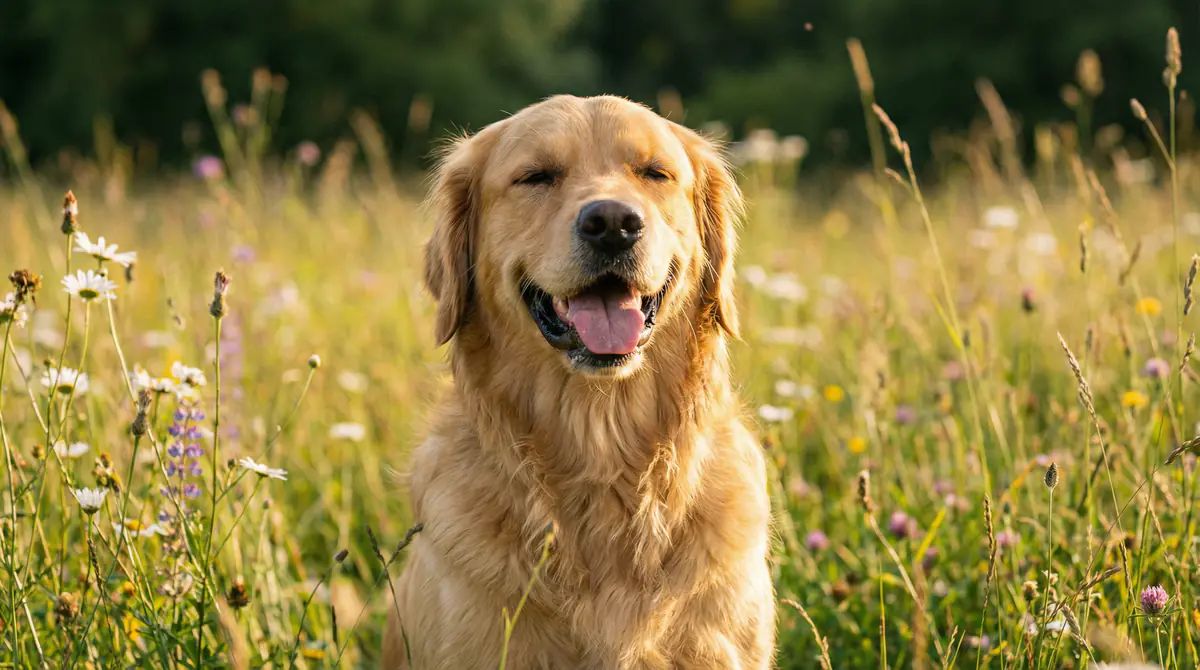
English type Goldens can run stockier; field bred lines often look leaner at the same age. Your calculator output should be read alongside build, not instead of it.
If you are staring at “14 weeks, 10 lb” wondering if it is right: for many large breeds, weekly gains can look uneven, look at 3 to 4 week direction, not one day.
Goldens are prone to carrying extra weight “nicely.” That makes the scale AND waist photos important.
Many people use waist and tuck as informal checks at home. If you are unsure whether your pup is over or under ideal condition, ask your veterinarian.
Coat fluff hides fat, hands on rib checks monthly.
Limping after play or reluctance to climb stairs young should be evaluated, do not “walk it off.”
La etapa de cachorro no es una sola fase: es una pila de retos y victorias distintas. Úsalo como línea temporal, no como reglamento rígido.
Gentleness, routine, and early confidence.
Skills + manners before adolescence.
Channel energy; protect joints.
Conditioning and lifelong habits.
Elegimos estas categorías para el día a día: descanso, paseos más cómodos, comidas sin líos y un hogar que encaje con tu situación. En cada hueco priorizamos artículos muy valorados que tienen sentido con la talla y la etapa de tu perro.
Alimentación, ejercicio, adiestramiento, rutina en casa y prevención. Cada bloque va dirigido a quien acaba de mirar la curva de peso de su cachorro.
Structured meals help you know appetite changes quickly.
Use a kitchen scale for kibble when possible.
If using toppers, account for them in daily calories.
Off leash romps in safe areas beat leash yanking “exhaustion.”
Swimming can be joint friendly and joyful.
End sessions before your pup becomes a shark.
Harsh corrections often backfire; clarity and consistency win.
Teach calm as a skill, not just commands.
Retrieve instincts need rules so stealing and guarding do not start.
Rotate rest and activity; overtired Goldens get mouthy.
Management prevents rehearsal, gates, crates, leashes.
Parasites, vaccines, and dental baseline per your vet.
Heart health conversations may be relevant depending on lines, ask your breeder and vet.
Keep a weight notebook or phone note with dates.
Si tienes dudas, llama a tu veterinario, sobre todo con cachorros. Esta lista no es exhaustiva ni cubre todas las situaciones: es un recordatorio general de señales que muchas clínicas quieren conocer.
Información educativa general únicamente. No es consejo médico ni sustituye la exploración ni el plan de un veterinario colegiado. Las estimaciones y recomendaciones no diagnostican enfermedad ni urgencias; ante cualquier problema de salud, contacta con tu clínica.
Friendly, intelligent, and devoted
Sporting
Grande
10-12 years
17 meses
Goldens love food. Monitoring their 'waistline' is just as important as the scale to prevent joint strain.
Golden
65-75 lb
23-24" de altura
55-65 lb
21.5-22.5" de altura
English Cream varieties are often slightly stockier, while field-bred Goldens may be leaner and more athletic.
The Golden was developed in Scotland in the late 1800s by Dudley Marjoribanks, later Lord Tweedmouth, on his Guisachan estate. He wanted a retriever suited to Scottish weather and terrain: a dog that could work wet ground, handle cold water, and deliver game gently to hand.
His breeding records show careful crosses of existing retrievers and other sporting breeds to lock in coat, temperament, and working style. The goal was a capable gundog first; the glamorous coat color was a side effect that later stole the spotlight.
Goldens spread from British shooting culture to American fields and living rooms. “English cream” versus American style debates are mostly about different breeding emphases and silhouettes, not different origins, which is worth remembering when someone insists only one look is “correct.”
La calculadora toma la edad y el peso actuales de tu cachorro para estimar el tamaño adulto. Como los cachorros crecen más rápido al principio y luego se desaceleran, la estimación se adapta a la fase de crecimiento en la que está tu Golden retriever.
Con la raza Golden retriever, lo habitual es estar casi en el tamaño adulto hacia los 17 meses. A medida que tu cachorro es mayor y ya ha completado más crecimiento, la estimación suele volverse más fiable.
La mayoría de los Golden retriever adultos se sitúan en un rango típico de 55-75 lb. Puedes usar la calculadora con cachorros muy jóvenes, pero las estimaciones suelen ser más precisas a partir de unas 12 semanas.
Respuestas directas sobre talla, crecimiento, alimentación y cómo usar esta calculadora junto a tu veterinario.
Many adult Goldens land near a 55–75 lb band, with males often toward roughly 65–75 lb and females toward roughly 55–65 lb. “English cream” types can run stockier; field-bred lines are often leaner at the same age. The calculator reflects breed-norm growth; your puppy’s parents and littermates still add useful context when you have them.
Coat can hide extra pounds, so combine the scale with hands-on rib checks and standing photos from above to watch waist and tuck. Goldens are prone to carrying weight “nicely,” which makes extra padding easy to miss. When in doubt, trust several weeks of trend and photos more than a single weigh-in.
A lot of height and frame is in place by roughly 12–18 months for many dogs, but conditioning and muscle can keep evolving after that. Uneven weekly gains are common in large puppies; look at direction over several weeks. If appetite or energy shifts for many days in a row, log it next to your weights so you can see whether food or activity changed first.
Enthusiasm for food is a breed hallmark and not proof they need more. Measured meals, accounting for training treats and toppers, and small slow adjustments beat feeding to silence begging. Keeping a visible waist through growth usually lines up better with an easy-moving adult than letting the scale creep up “because they asked.”
Think age-appropriate play: sniffing, free romps in safe spaces, and calm water introduction when your pup is confident often beat long repetitive jogging on hard surfaces while they are young. Heat and humidity matter—shift walks to cooler times, offer water, and end sessions before your pup is overtired. If they look sore after a big day, give an easy day and lighter play before ramping back up.
Comparte PetCareCalc con otras personas con mascota o guarda el enlace para volver cuando quieras.
Prueba también: Calculadora de edad canina (años caninos y humanos) · Test de razas
Añade gratis nuestra calculadora incrustable a tu web.
¿Sigues por aquí?
Cinco toques rápidos, una recomendación instantánea y un enlace para compartir. Gratis, sin registro.
EmpezarEstimando el crecimiento de tu Golden retriever