Gráfico personalizado
Introduce edad y peso para ver la trayectoria de crecimiento de tu perro.
¿Cuánto crecerá mi Bóxer? Estima el peso adulto y sigue el desarrollo de tu cachorro.
Elegimos estas categorías para el día a día: descanso, paseos más cómodos, comidas sin líos y un hogar que encaje con tu situación. En cada hueco priorizamos artículos muy valorados que tienen sentido con la talla y la etapa de tu perro.
Transportines amplios
Camas cómodas
Arneses listos para salir
Comederos anti-glutonismo
Boxer puppies are clown strength: big feelings, big play, and a face shape that needs heat and airway awareness. Your chart is most useful next to condition, joint care, and consistent training.
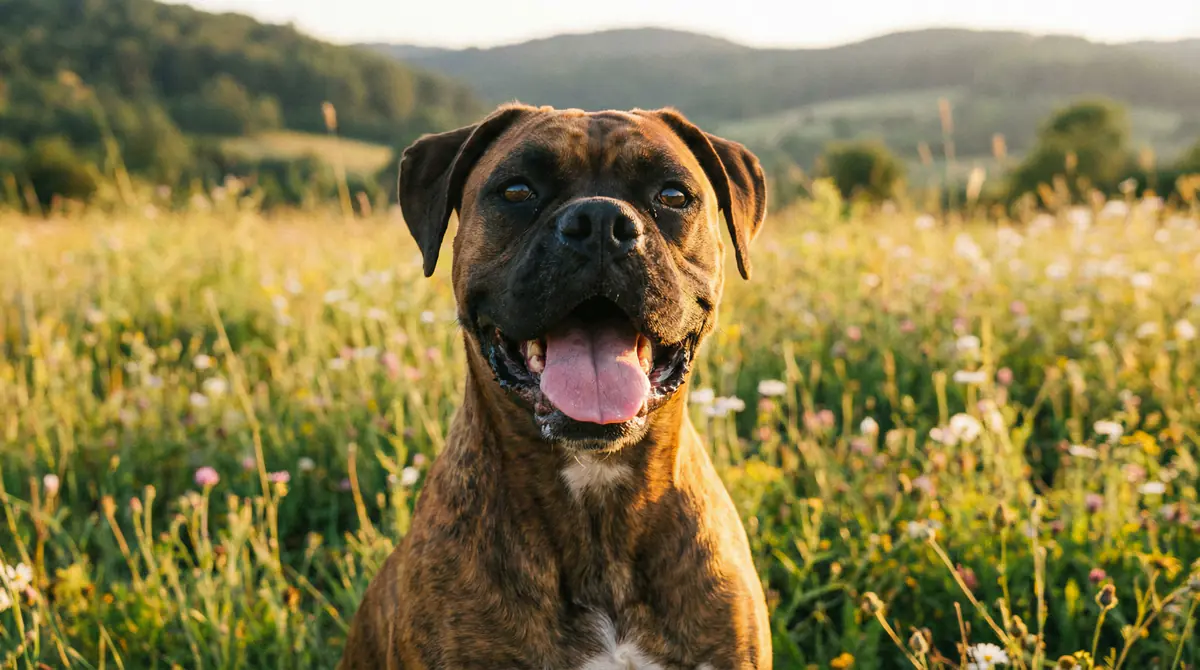
Boxers often shoot up, then fill out; a gangly teen phase can look light on paper while still healthy.
Weight can climb fast after growth slows if meals and treats stay “puppy generous.”
If ribs vanish but the scale looks fine, trust body condition and your vet’s hands.
Deep chested dogs deserve bloat awareness conversations with your vet as habits form.
Brachycephalic traits vary; noisy breathing deserves a baseline so you notice worse days.
Limping after zoomies is not “just a strain” until your vet agrees.
La etapa de cachorro no es una sola fase: es una pila de retos y victorias distintas. Úsalo como línea temporal, no como reglamento rígido.
Routine, sleep, potty, and calm introductions.
Impulse control before adolescence.
Energy plus rules.
Strength and manners mature together.
Elegimos estas categorías para el día a día: descanso, paseos más cómodos, comidas sin líos y un hogar que encaje con tu situación. En cada hueco priorizamos artículos muy valorados que tienen sentido con la talla y la etapa de tu perro.
Alimentación, ejercicio, adiestramiento, rutina en casa y prevención. Cada bloque va dirigido a quien acaba de mirar la curva de peso de su cachorro.
Measured meals; your vet picks puppy versus adult timing and calorie targets.
Split feedings can reduce gulping; discuss bloat prevention habits with your vet.
Rich human food is a common pancreatitis trigger in dogs; keep table scraps minimal.
Play hard, then actually rest; brachy pups need recovery time.
Multiple shorter sessions often beat one broiling midday hike.
Swimming can be great when safe and vet approved.
Reward what you want; laughter should not replace criteria.
Socialization includes sounds, surfaces, and novelty at easy distances.
Harsh corrections often backfire; clarity and consistency win.
Cool rest spots in summer; airflow matters indoors too.
Kids need rules: no wrestling that amps biting.
Vaccines, parasite control, and dental planning per your vet.
Discuss heart and cancer awareness in the breed at appropriate wellness visits; your vet personalizes what to watch for.
Weight checks every visit; lean is kind to joints.
Si tienes dudas, llama a tu veterinario, sobre todo con cachorros. Esta lista no es exhaustiva ni cubre todas las situaciones: es un recordatorio general de señales que muchas clínicas quieren conocer.
Información educativa general únicamente. No es consejo médico ni sustituye la exploración ni el plan de un veterinario colegiado. Las estimaciones y recomendaciones no diagnostican enfermedad ni urgencias; ante cualquier problema de salud, contacta con tu clínica.
Fun-loving, bright, and active
Working
Grande
10-12 years
18 meses
50-80 lb
23-25" de altura
50-80 lb
21.5-23.5" de altura
Boxers descend from German bullenbeisser types used on estates for hunting large game and later as butcher’s helpers and guardians. Early twentieth century breeders in Munich standardized the modern Boxer: square, short muzzled, and people oriented.
The breed served as messenger and military dog in wartime, then transitioned into one of the world’s favorite family guardians thanks to humor, loyalty, and trainability.
Today’s Boxer is primarily companion and sport dog. Their history as working guardians explains protectiveness and exuberance; their short face explains exercise limits in heat.
La calculadora toma la edad y el peso actuales de tu cachorro para estimar el tamaño adulto. Como los cachorros crecen más rápido al principio y luego se desaceleran, la estimación se adapta a la fase de crecimiento en la que está tu Bóxer.
Con la raza Bóxer, lo habitual es estar casi en el tamaño adulto hacia los 18 meses. A medida que tu cachorro es mayor y ya ha completado más crecimiento, la estimación suele volverse más fiable.
La mayoría de los Bóxer adultos se sitúan en un rango típico de 50-80 lb. Puedes usar la calculadora con cachorros muy jóvenes, pero las estimaciones suelen ser más precisas a partir de unas 12 semanas.
Respuestas directas sobre talla, crecimiento, alimentación y cómo usar esta calculadora junto a tu veterinario.
Adult Boxers are commonly quoted around 50–80 lb, with individuals varying by sex, genetics, and build. They often shoot up in height first, then fill out—so a gangly teenager can look light on paper while still healthy. Trust trends, rib feel, and standing photos alongside any calculator output.
Many Boxers are approaching a lot of their frame by about 12–18 months, but muscle and “finish” can take longer. Weight can climb quickly after growth slows if portions and treats stay “puppy generous.” Monthly standing photos from above help you catch a fading waist before the scale jumps.
They are active dogs with a short muzzle, so they often hit their happy exercise limit sooner on hot days. Walk at cooler times in summer, use a well-fitted harness to reduce throat pressure, and keep water breaks generous. End outdoor play while your pup still has bounce—indoor training games finish the job without a heat slog.
Bouncy dogs with a deep ribcage often do well on measured food split into a few meals instead of one giant bowl. Many households keep the first few minutes after dinner calmer than backyard wrestling—think sniff games or a chew toy rather than instant sprint sessions. Log meal times next to your weights so you can see whether late-night snacks are skewing the curve.
Same scale, same time of day, and log every few weeks—Boxers are masters of the hopeful face at treat time, so honesty about training snacks matters. Pair numbers with condition; if ribs disappear but the estimate looks fine, trust your photos and palpation over the midpoint. Ramp running mileage gradually as your dog’s stride looks collected rather than gangly.
Comparte PetCareCalc con otras personas con mascota o guarda el enlace para volver cuando quieras.
Prueba también: Calculadora de edad canina (años caninos y humanos) · Test de razas
Añade gratis nuestra calculadora incrustable a tu web.
¿Sigues por aquí?
Cinco toques rápidos, una recomendación instantánea y un enlace para compartir. Gratis, sin registro.
EmpezarEstimando el crecimiento de tu Bóxer