Gráfico personalizado
Introduce edad y peso para ver la trayectoria de crecimiento de tu perro.
¿Cuánto crecerá mi Braco alemán de pelo corto? Estima el peso adulto y sigue el desarrollo de tu cachorro.
Elegimos estas categorías para el día a día: descanso, paseos más cómodos, comidas sin líos y un hogar que encaje con tu situación. En cada hueco priorizamos artículos muy valorados que tienen sentido con la talla y la etapa de tu perro.
Transportines amplios
Camas cómodas
Arneses listos para salir
Comederos anti-glutonismo
Your GSP puppy is a hunting dog in a housepet body until you channel drive, nose, and stamina. This ties your growth chart to joints, ears, and the off switch every versatile sporting dog needs.
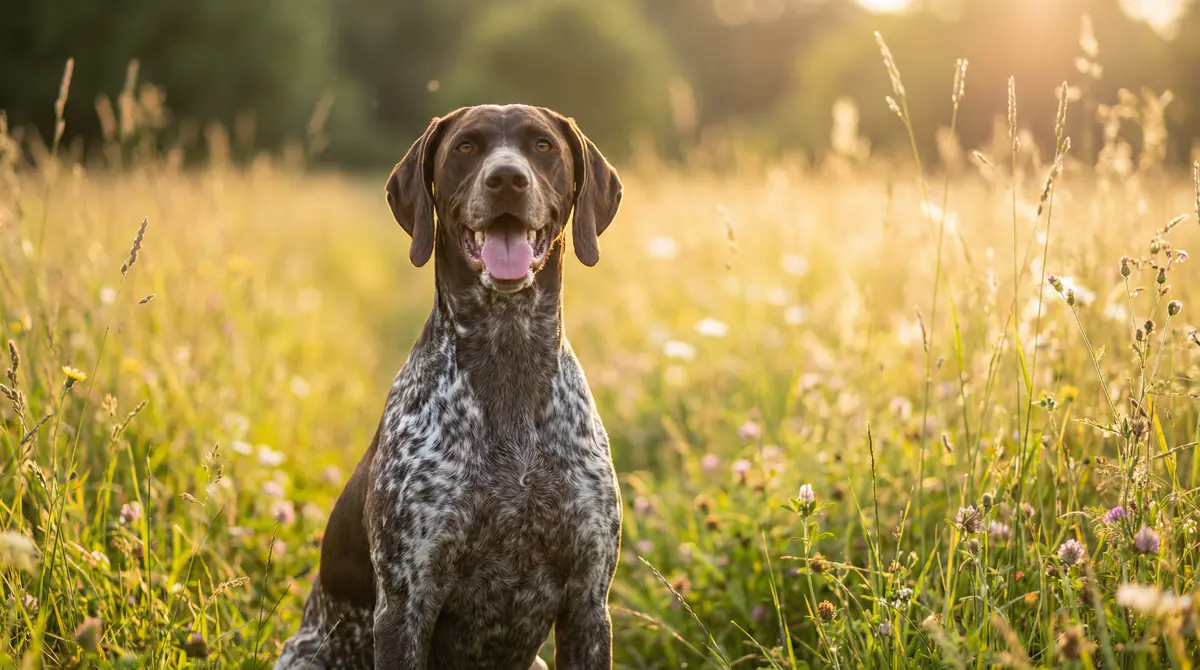
GSPs often look leggy and “too thin” during growth while they are actually fine; compare ribs, muscle, and your vet’s exam to the number alone.
Sex and breeding emphasis shift adult weight; two pups at the same week can diverge without either being wrong.
Rapid weight gain with loss of waist usually means food drift or treats, not a better hunter.
Athletic dogs should feel fit; extra pounds load growing elbows and shoulders during the first year.
Ear infections love moisture; swimming and baths mean you should learn what “normal ear” looks and smells like.
Sudden drop in stamina or appetite with weight change deserves a vet visit, not only “teens being weird.”
La etapa de cachorro no es una sola fase: es una pila de retos y victorias distintas. Úsalo como línea temporal, no como reglamento rígido.
Sleep, potty, gentle exposure, and legal outlets for mouth and nose.
Leash skills before pulls become default.
Channel stamina without pounding joints.
Build endurance gradually with your vet’s input.
Elegimos estas categorías para el día a día: descanso, paseos más cómodos, comidas sin líos y un hogar que encaje con tu situación. En cada hueco priorizamos artículos muy valorados que tienen sentido con la talla y la etapa de tu perro.
Alimentación, ejercicio, adiestramiento, rutina en casa y prevención. Cada bloque va dirigido a quien acaba de mirar la curva de peso de su cachorro.
Choose a growth appropriate diet with your vet; sporting puppies need quality protein without calorie chaos.
Split meals; measured portions beat eyeball scoops when drive makes them act starving.
Training treats are part of the daily budget, not a free side dish.
Free play, swimming, and varied terrain beat leash dragging for mileage.
End sessions before your pup is glassy eyed; overtired sporting pups get mouthy.
Heat matters; short coated does not mean heat proof.
Teach calm as a skill: mat, crate chill, and quiet praise.
Socialization is novelty plus positive association, not flooding.
If arousal spikes at birds or squirrels, increase distance and reward disengagement.
Rotate toys and chews; bored pointers rearrange shoes.
Management beats nagging: gates and crates when you cannot supervise.
Parasites, vaccines, and microchip per your vet’s regional plan.
Ear routine matters for a dog that loves water.
Discuss hip and elbow awareness with your vet if your line shares health info.
Si tienes dudas, llama a tu veterinario, sobre todo con cachorros. Esta lista no es exhaustiva ni cubre todas las situaciones: es un recordatorio general de señales que muchas clínicas quieren conocer.
Información educativa general únicamente. No es consejo médico ni sustituye la exploración ni el plan de un veterinario colegiado. Las estimaciones y recomendaciones no diagnostican enfermedad ni urgencias; ante cualquier problema de salud, contacta con tu clínica.
Friendly, smart, and willing to please
Sporting
Grande
10-12 years
17 meses
High energy requires a diet rich in complex carbohydrates and proteins to sustain field activity.
GSP
55-70 lb
23-25" de altura
45-60 lb
21-23" de altura
Athletic and lean. GSPs often stay 'ribby' and thin during their first 18 months despite eating large amounts.
The breed was refined in Germany in the 1800s by breeders who wanted one dog that could point, retrieve on land and water, track, and partner closely with a hunter. Crosses of pointing stock with scent hounds and other sporting breeds produced the versatile “all purpose” gundog.
German registration and breed clubs formalized type: athletic, short coated, webbed feet, and the biddable intensity that made the GSP popular far beyond European shooting fields.
American hunters and pet homes both love the breed today. Field bred lines often run hotter and leaner; some show lines are calmer in the living room. Same name, different dials on energy and style.
La calculadora toma la edad y el peso actuales de tu cachorro para estimar el tamaño adulto. Como los cachorros crecen más rápido al principio y luego se desaceleran, la estimación se adapta a la fase de crecimiento en la que está tu Braco alemán de pelo corto.
Con la raza Braco alemán de pelo corto, lo habitual es estar casi en el tamaño adulto hacia los 17 meses. A medida que tu cachorro es mayor y ya ha completado más crecimiento, la estimación suele volverse más fiable.
La mayoría de los Braco alemán de pelo corto adultos se sitúan en un rango típico de 45-70 lb. Puedes usar la calculadora con cachorros muy jóvenes, pero las estimaciones suelen ser más precisas a partir de unas 12 semanas.
Respuestas directas sobre talla, crecimiento, alimentación y cómo usar esta calculadora junto a tu veterinario.
Adult GSPs are often quoted around 45–70 lb overall, with males frequently toward roughly 55–70 lb and females toward roughly 45–60 lb. Field-bred lines can run leaner and more driven; some show or pet lines are calmer in the house. Use the calculator to track your own puppy’s trend and pair it with waist photos and rib feel—not a photo from the internet.
German Shorthaired Pointers are athletic sporting dogs; many stay on the lean side through much of their first year or longer while they grow into their legs. Visible ribs during growth can still pair with good muscle and sparky energy. Rapid weight gain with a disappearing waist usually means food drift or treats, not a better hunting dog—trim extras before you bump meals.
A lot of height and frame is often in place by roughly 12–18 months, but conditioning can keep evolving after that. Favor free play, swimming, and varied surfaces over forced mileage on pavement while young. If your dog seems stiff after big play days, trade the next day for sniff walks and light play before you stack hard sessions.
Pick a growth-appropriate diet and follow the label for your pup’s current weight, then adjust slowly to the trend line. Sporting puppies need quality nutrition without calorie chaos. Split measured meals—drive can make them act starving—and count training treats as part of the daily budget. Heat and humidity matter for exercise timing; short-coated does not mean heat-proof.
Weigh before breakfast on the same scale and log every few weeks while your pup is young; month-to-month direction beats one random weigh-in. After swimming or baths, dry the outer ear flap gently and give ears a quick sniff-and-look so you know your dog’s normal “clean” baseline. If weight spikes with no change in meals, scout for secret snacks and heavier treat days.
Comparte PetCareCalc con otras personas con mascota o guarda el enlace para volver cuando quieras.
Prueba también: Calculadora de edad canina (años caninos y humanos) · Test de razas
Añade gratis nuestra calculadora incrustable a tu web.
¿Sigues por aquí?
Cinco toques rápidos, una recomendación instantánea y un enlace para compartir. Gratis, sin registro.
EmpezarEstimando el crecimiento de tu Braco alemán de pelo corto