Gráfico personalizado
Introduce edad y peso para ver la trayectoria de crecimiento de tu perro.
¿Cuánto crecerá mi Bulldog inglés antiguo? Estima el peso adulto y sigue el desarrollo de tu cachorro.
Elegimos estas categorías para el día a día: descanso, paseos más cómodos, comidas sin líos y un hogar que encaje con tu situación. En cada hueco priorizamos artículos muy valorados que tienen sentido con la talla y la etapa de tu perro.
Transportines amplios
Camas cómodas
Arneses listos para salir
Comederos anti-glutonismo
Old English Bulldog puppies are athletic bull breeds with fewer extremes than some show bulldogs. Your growth chart belongs with heat-aware exercise, joint-smart conditioning, and training that builds manners before the muscle arrives.
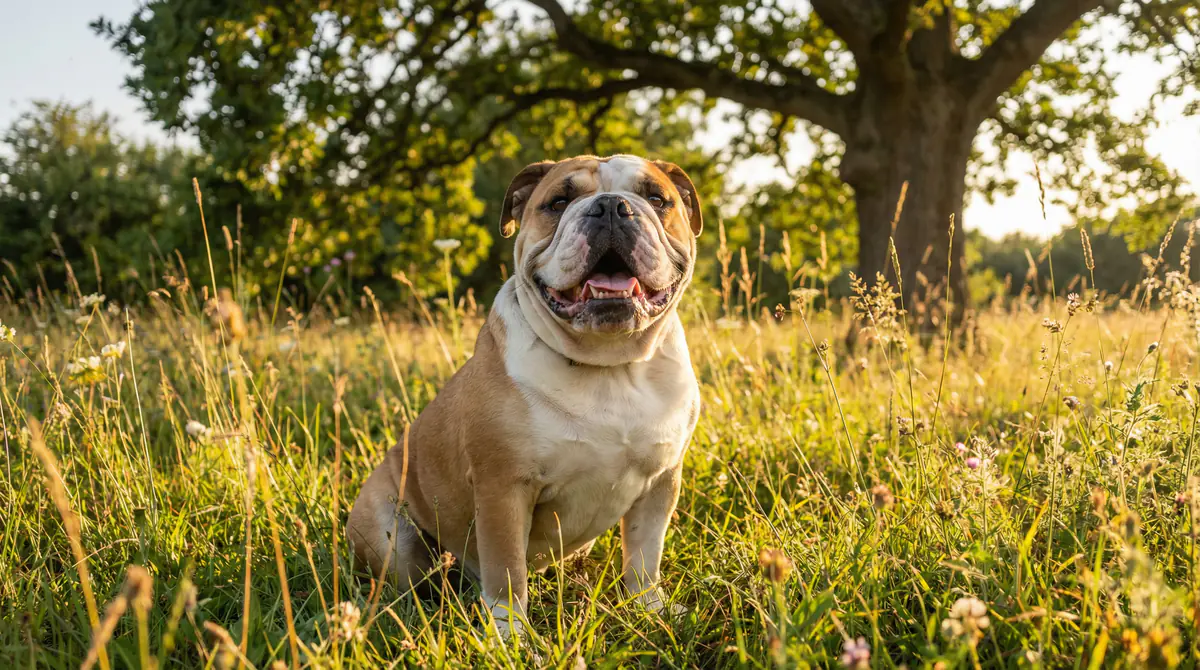
Olde lines can vary in size; parent size and your veterinarian help read the chart as a trend across weeks, not one awkward adolescent weigh-in.
Brachycephalic risk exists in many bull breeds; panting and gum color set exercise windows, not your mileage goals.
Weight loads joints fast; when growth eases, treat drift climbs quietly if training treats and visitor snacks stay generous.
Short coat shows weight honestly; still confirm condition with your veterinarian, not social media comparisons.
Heat intolerance is serious; “lazy” on a warm day can be overheating—seek shade and end early.
Play style can be rough; teach soft mouth, trade games, and consent with people and other dogs.
La etapa de cachorro no es una sola fase: es una pila de retos y victorias distintas. Úsalo como línea temporal, no como reglamento rígido.
Routine, trade games, handling.
Skills before strength wins.
Channel drive; protect joints.
Strength matures.
Elegimos estas categorías para el día a día: descanso, paseos más cómodos, comidas sin líos y un hogar que encaje con tu situación. En cada hueco priorizamos artículos muy valorados que tienen sentido con la talla y la etapa de tu perro.
Alimentación, ejercicio, adiestramiento, rutina en casa y prevención. Cada bloque va dirigido a quien acaba de mirar la curva de peso de su cachorro.
Your veterinarian picks growth-appropriate nutrition for steady muscle without rushing joints.
Measured meals; they train enthusiastically with food. Split meals if gulping is an issue.
Treats are food; cap training calories. Transition foods over ~7 days unless your vet directs otherwise.
Moderate walks and play; end before labored breathing or gray/blue gum tint.
Heat planning; black dogs and short muzzles both raise the stakes in summer.
Swimming when vet-approved can build fitness with low impact.
Clear criteria beat nagging; unfair corrections often amp opposition in strong adolescents.
Socialization is distance and pairing; sub-threshold wins beat flooding.
Teach calm greetings and mat defaults so door chaos does not rehearse.
Tough toys; power chewers need safe outlets and rotation.
Secure trash; bull breeds explore with determination.
Hips, cardiac, airway, and skin fold topics vary by line; your vet personalizes screening and timing.
Dental tolerance training while young pays off when adult mouths are strong.
Parasite control should match your region.
Si tienes dudas, llama a tu veterinario, sobre todo con cachorros. Esta lista no es exhaustiva ni cubre todas las situaciones: es un recordatorio general de señales que muchas clínicas quieren conocer.
Información educativa general únicamente. No es consejo médico ni sustituye la exploración ni el plan de un veterinario colegiado. Las estimaciones y recomendaciones no diagnostican enfermedad ni urgencias; ante cualquier problema de salud, contacta con tu clínica.
Friendly, alert, and confident
Working
Grande
10-14 years
17 meses
50-80 lb
17-20" de altura
50-80 lb
16-19" de altura
The Olde English Bulldogge (and related “Old English Bulldog” breeding programs) was developed to recreate a healthier, more athletic bulldog type than some modern English Bulldog lines, emphasizing stamina and structure suited to companionship and light work.
Goals vary by breeder; some lines lean guardian, some lean family sport. Ask your breeder what they selected for.
Expect strength, confidence, and jaw power; training and containment are kindness, not optional extras.
La calculadora toma la edad y el peso actuales de tu cachorro para estimar el tamaño adulto. Como los cachorros crecen más rápido al principio y luego se desaceleran, la estimación se adapta a la fase de crecimiento en la que está tu Bulldog inglés antiguo.
Con la raza Bulldog inglés antiguo, lo habitual es estar casi en el tamaño adulto hacia los 17 meses. A medida que tu cachorro es mayor y ya ha completado más crecimiento, la estimación suele volverse más fiable.
La mayoría de los Bulldog inglés antiguo adultos se sitúan en un rango típico de 50-80 lb. Puedes usar la calculadora con cachorros muy jóvenes, pero las estimaciones suelen ser más precisas a partir de unas 12 semanas.
Comparte PetCareCalc con otras personas con mascota o guarda el enlace para volver cuando quieras.
Prueba también: Calculadora de edad canina (años caninos y humanos) · Test de razas
Añade gratis nuestra calculadora incrustable a tu web.
¿Sigues por aquí?
Cinco toques rápidos, una recomendación instantánea y un enlace para compartir. Gratis, sin registro.
EmpezarEstimando el crecimiento de tu Bulldog inglés antiguo